
Anhydrous citric acid has become an indispensable chemical compound in numerous industrial applications, particularly in water treatment, food processing, pharmaceuticals, and cleaning industries. As a global trader of water treatment chemicals, we understand the challenges businesses face when sourcing high-quality anhydrous citric acid from reliable manufacturers. This comprehensive guide will help you identify top producers, understand production processes, and make informed purchasing decisions.
Understanding Anhydrous Citric Acid Production
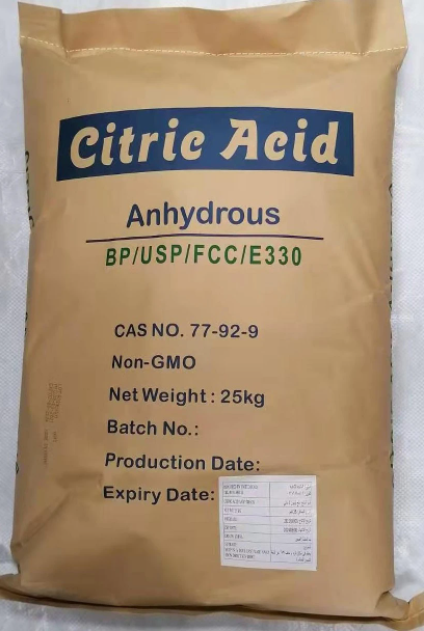
Anhydrous citric acid (C₆H₈O₇) is the crystalline form of citric acid containing no water molecules. Its production involves sophisticated processes that require specialized equipment and strict quality control measures. The manufacturing process typically includes:
- Fermentation: Using Aspergillus niger mold to convert carbohydrate substrates (usually molasses or corn starch) into citric acid through submerged fermentation
- Purification: Separating the citric acid solution from biomass through filtration and centrifugation
- Concentration: Removing water through vacuum evaporation to create a concentrated citric acid solution
- Crystallization: Cooling the concentrated solution to form anhydrous crystals under controlled conditions
- Drying and Sieving: Final drying to remove residual moisture and sieving to achieve uniform particle size distribution
Leading manufacturers invest heavily in maintaining sterile production environments and implementing advanced quality control systems to ensure their products meet international standards like FCC, BP, USP, and EP specifications.
Key Criteria for Selecting Anhydrous Citric Acid Suppliers
When evaluating potential manufacturers, consider these critical factors to ensure reliable supply and consistent quality:
1. Production Capacity and Scale
Large-scale manufacturers with annual production capacities exceeding 100,000 metric tons typically offer better pricing and more reliable supply chains. Look for facilities with multiple production lines that can accommodate both regular orders and sudden demand increases.
2. Quality Certification and Compliance
Reputable manufacturers should hold certifications including ISO 9001 (Quality Management), ISO 14001 (Environmental Management), and relevant food safety certifications like HACCP, FSSC 22000, or Kosher/Halal certification for specific markets.
3. Technical Expertise and R&D Capabilities
Leading producers invest in research and development to improve production efficiency and product quality. Some manufacturers offer customized particle sizes or special packaging solutions to meet specific customer requirements.
4. Supply Chain Reliability
Consider manufacturers with strategic locations near major ports or transportation hubs, especially if you require regular shipments. Some leading producers have global distribution networks with warehouses in key markets to ensure timely delivery.
5. Sustainability Practices
Environmentally conscious buyers should look for manufacturers implementing sustainable practices like waste recycling, energy-efficient production processes, and responsible sourcing of raw materials.
Top Anhydrous Citric Acid Manufacturers Worldwide
Based on production capacity, quality standards, and market reputation, these manufacturers stand out in the global market:
| Manufacturer | Location | Annual Capacity | Key Certifications |
|---|---|---|---|
| Jungbunzlauer | Austria, USA, Brazil | 350,000 MT | ISO 9001, ISO 14001, Kosher, Halal |
| Cargill | USA, China, Brazil | 300,000 MT | FSSC 22000, ISO 22000 |
| Archer Daniels Midland (ADM) | USA, Germany, China | 250,000 MT | ISO 9001, HACCP |
| Tate & Lyle | UK, USA, Thailand | 200,000 MT | ISO 9001, ISO 14001 |
| Weifang Ensign Industry | China | 180,000 MT | ISO 9001, Kosher, Halal |
While these global players dominate the market, several regional manufacturers in China, India, and Southeast Asia offer competitive pricing and flexible MOQs for smaller buyers. When working with regional suppliers, it’s crucial to conduct thorough factory audits and request sample testing before placing large orders.
Common Applications of Anhydrous Citric Acid
Understanding your specific application requirements helps in selecting the right grade and particle size of anhydrous citric acid:
- Water Treatment: As a chelating agent and pH adjuster in industrial water treatment systems
- Food & Beverage: As an acidulant, preservative, and flavor enhancer in processed foods and beverages
- Pharmaceuticals: In effervescent formulations and as an excipient in tablet production
- Cleaning Products: As a builder in detergents and descaling agents
- Cosmetics: In skin care products for pH adjustment and as a natural preservative
The required purity level varies by application – food-grade citric acid typically requires 99.5% minimum purity with strict heavy metal limits, while technical-grade products may have slightly lower purity requirements.
FAQ
What is the difference between anhydrous and monohydrate citric acid?
Anhydrous citric acid contains no water molecules (C₆H₈O₇) while monohydrate citric acid contains one water molecule per citric acid unit (C₆H₈O₇·H₂O). Anhydrous citric acid has higher purity (typically ≥99.5%) and is preferred for applications requiring precise pH control or where water content must be minimized.
How should I store anhydrous citric acid?
Store in a cool, dry place in tightly sealed containers away from moisture and direct sunlight. Properly stored anhydrous citric acid has a shelf life of 3-5 years. Avoid storing near strong bases or oxidizing agents to prevent chemical reactions.
What packaging options are available for bulk purchases?
Standard packaging includes 25kg kraft paper bags with PE liners, 500kg or 1000kg jumbo bags, and for container shipments, some manufacturers offer bulk tanker transport for very large quantities. Custom packaging solutions may be available upon request.
How can I verify the quality of citric acid before purchase?
Request a Certificate of Analysis (CoA) showing assay results, heavy metal content, and microbial testing. For critical applications, arrange for third-party inspection or send samples to an independent laboratory for verification. Reputable manufacturers will welcome quality audits.
What is the typical lead time for production and delivery?
For regular orders from stock, lead times are usually 7-14 days. For custom orders requiring specific particle sizes or packaging, production may take 4-6 weeks plus shipping time. Establish clear delivery schedules with your supplier and include penalty clauses in contracts for delayed shipments.
Summary
Selecting the right anhydrous citric acid manufacturer requires careful evaluation of production capacity, quality standards, technical capabilities, and supply chain reliability. While global producers offer consistency and scale, regional manufacturers can provide competitive pricing and flexibility for smaller buyers. Always verify quality through sampling and testing, and consider your specific application requirements when choosing between different grades and particle sizes. By partnering with reputable suppliers and implementing proper quality control procedures, you can ensure a reliable supply of high-quality anhydrous citric acid for your industrial needs.