
Selecting the right one water citric acid (citric acid monohydrate) for industrial applications requires careful consideration of multiple factors. As a key chemical in water treatment processes, citric acid’s quality directly impacts treatment efficiency, equipment longevity, and operational costs. This comprehensive guide provides practical insights for global buyers evaluating citric acid suppliers, with a focus on industrial applications in water treatment, metal cleaning, and chemical processing industries.
Understanding One Water Citric Acid Specifications
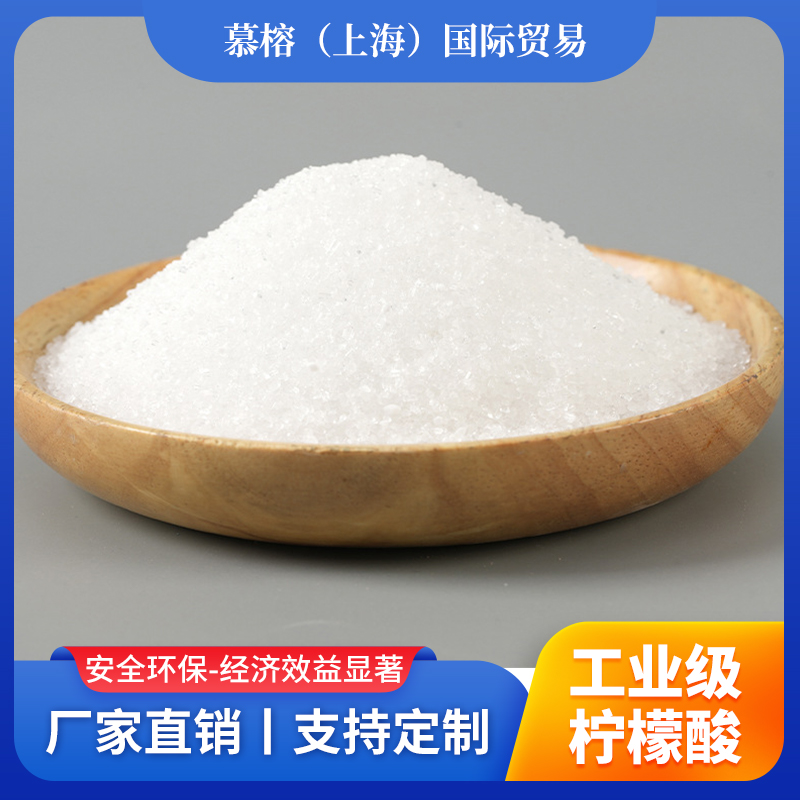
Industrial-grade one water citric acid typically contains 99.5-100.5% citric acid monohydrate by weight. The “one water” designation indicates that each citric acid molecule is bonded with one water molecule (C₆H₈O₇·H₂O), which affects its physical properties and handling characteristics compared to anhydrous citric acid. Key specifications to evaluate include:
- Purity Level: High-purity grades (≥99.5%) are essential for industrial applications to prevent impurities from affecting chemical reactions or leaving residues in treated systems
- Particle Size Distribution: Coarse granules (1-3mm) are preferred for bulk handling and dissolution control, while fine powders may be required for specific formulation needs
- Heavy Metal Content: Industrial specifications typically limit lead to ≤2ppm and arsenic to ≤1ppm to ensure safety in water treatment applications
- Moisture Content: Should be within 8-10% for monohydrate grade, with variations affecting flowability and storage stability
- pH Value: A 2% aqueous solution should maintain pH 2.0-2.5, indicating proper acid strength for chelation and pH adjustment applications
Reputable suppliers like Murong (Shanghai) International Trading Co., Ltd. provide detailed specification sheets and third-party test reports to verify these parameters. Their technical team can assist in interpreting these documents and matching the product to specific application requirements.
Key Selection Criteria for Industrial Buyers
When evaluating one water citric acid suppliers for industrial applications, consider these critical factors beyond basic product specifications:
1. Production Capacity and Consistency
Industrial applications often require large, consistent volumes. Verify the supplier’s annual production capacity (typically measured in thousands of metric tons) and quality control systems. Murong International maintains ISO 9001 certification and implements batch tracking systems to ensure product consistency across orders.
2. Packaging and Handling Solutions
Industrial quantities require appropriate packaging options. Standard offerings include:
| Packaging Type | Capacity | Suitable For |
|---|---|---|
| Multi-wall paper bags | 25kg | Standard industrial use |
| Flexible intermediate bulk containers (FIBC) | 500-1000kg | Large-scale water treatment facilities |
| Bulk tanker delivery | 20-30 metric tons | Continuous processing operations |
Discuss your specific handling requirements with suppliers to determine the most cost-effective packaging solution. Murong International offers customizable packaging options and can provide palletization services for easier warehouse management.
3. Technical Support and Application Expertise
The best suppliers provide more than just product – they offer application knowledge. Look for companies with experienced technical teams who can assist with:
- Dosage calculations for specific water treatment scenarios
- Compatibility testing with other chemicals in your formulation
- Storage condition recommendations to prevent caking or degradation
- Troubleshooting for process-related issues
Murong International maintains a dedicated technical service team that works directly with clients to optimize citric acid usage in water treatment, metal cleaning, and other industrial processes. Their expertise helps clients reduce chemical consumption while maintaining treatment effectiveness.
Quality Verification Methods for Buyers
Ensuring consistent quality requires implementing verification procedures at multiple stages:
1. Pre-Shipment Inspection
Request samples for initial testing before placing bulk orders. Conduct these basic tests:
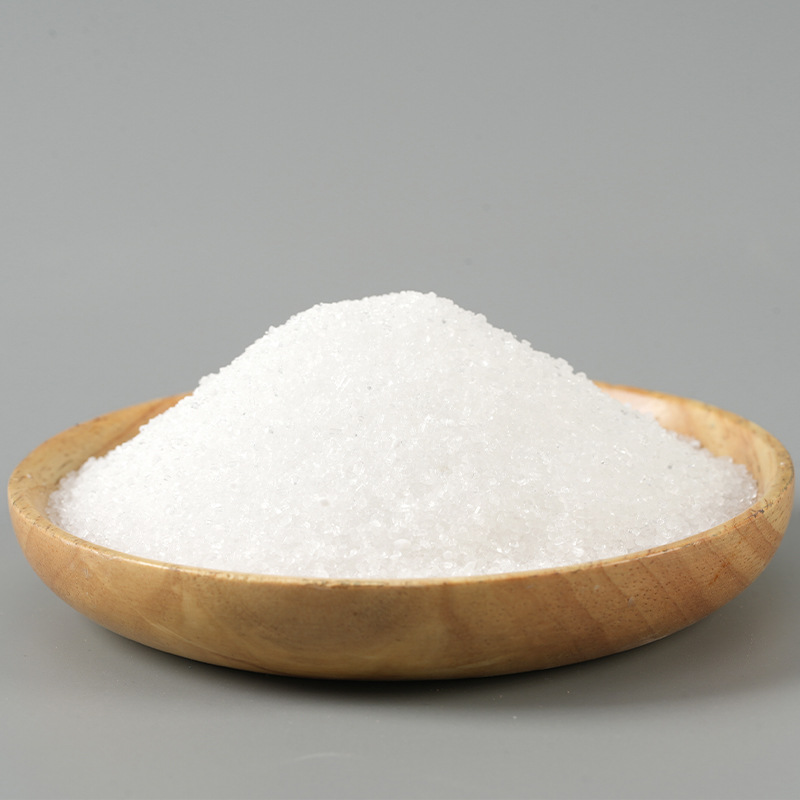
- Appearance: White crystalline powder or granules without visible impurities
- Solubility: Complete dissolution in warm water (40-50°C) within 10 minutes
- pH Test: Measure pH of 2% aqueous solution (should be 2.0-2.5)
- Moisture Content: Verify through loss-on-drying test (should match specification)
2. Third-Party Laboratory Analysis
For critical applications, commission independent testing for:
- Heavy metal content (Pb, As, Hg, Cd)
- Sulfate ash content
- Residual solvent levels (if applicable)
- Microbiological purity (for certain applications)
Reputable suppliers like Murong International can provide recent batch-specific test reports from accredited laboratories, often including SGS or Intertek certificates.
3. On-Site Quality Control Systems
Evaluate the supplier’s in-house quality control measures during factory audits. Key elements to examine include:
- Raw material inspection procedures
- Production process monitoring points
- Finished product sampling protocols
- Non-conformance handling procedures
- Calibration schedules for testing equipment
Common Application Scenarios in Industrial Water Treatment
One water citric acid serves multiple functions in water treatment systems:
1. pH Adjustment and Buffering
As a weak organic acid, citric acid effectively lowers pH in alkaline water systems without the harshness of strong mineral acids. Its three acidic protons provide buffered pH control between pH 3-6, making it ideal for:
- Cooling water systems
- Reverse osmosis pretreatment
- Boiler feedwater conditioning
- Wastewater neutralization
2. Heavy Metal Chelation
Citric acid forms stable complexes with many heavy metals, including iron, copper, lead, and calcium. This property makes it valuable for:
- Preventing scale formation in heat exchangers
- Removing metal contaminants from process water
- Conditioning water for membrane filtration systems
- Metal surface cleaning prior to plating or coating
3. Biological Treatment Enhancement
In biological wastewater treatment systems, citric acid serves as a readily biodegradable carbon source that stimulates microbial activity. This supports:
- Enhanced nitrogen removal in denitrification stages
- Improved COD/BOD reduction efficiency
- Faster startup of new biological systems
- Buffering against pH shocks from influent variations
FAQ
What is the difference between one water citric acid and anhydrous citric acid?
One water citric acid (monohydrate) contains one molecule of water per citric acid molecule (C₆H₈O₇·H₂O), while anhydrous citric acid has no bound water (C₆H₈O₇). The monohydrate form is more stable during storage and handling, making it preferred for industrial applications. Murong International supplies both grades but recommends the monohydrate for most water treatment scenarios due to its consistent quality and handling characteristics.
How should I store one water citric acid to maintain quality?
Store in a cool, dry, well-ventilated area away from direct sunlight and moisture. Keep containers sealed when not in use to prevent moisture absorption. Ideal storage conditions are below 30°C (86°F) with relative humidity below 60%. Murong International provides detailed storage guidelines with each shipment to ensure product quality throughout its shelf life.
Can citric acid replace traditional scale inhibitors in cooling water systems?
Citric acid works well as a threshold inhibitor for calcium carbonate scale at moderate hardness levels (below 300ppm CaCO₃ equivalent). For higher hardness or complex scale compositions, it’s often used in combination with other inhibitors. Murong International’s technical team can analyze your specific water chemistry and recommend optimal treatment formulations.
What is the typical dosage rate for pH adjustment in cooling towers?
Dosage depends on your initial pH and target pH. As a starting point, calculate 0.5-1.0 kg of citric acid monohydrate per 1,000 liters of water to reduce pH by approximately 0.5 units. Always conduct jar tests with your specific water sample before full-scale implementation. Murong International provides free dosage calculation assistance as part of their technical support services.
How does citric acid compare to hydrochloric acid for pH control?
Citric acid offers several advantages over strong mineral acids like HCl: 1) Safer handling with less corrosive risk 2) Buffered pH control prevents overshooting target pH 3) Provides chelation benefits in addition to pH adjustment 4) More environmentally friendly with lower toxicity. Murong International recommends citric acid for most industrial pH control applications where these benefits align with process requirements.
Summary
Selecting the right one water citric acid supplier requires evaluating both product quality and service capabilities. Focus on suppliers who provide detailed specifications, third-party testing, flexible packaging options, and technical support. Murong (Shanghai) International Trading Co., Ltd. exemplifies this approach with their ISO-certified production, comprehensive quality control, and application expertise in industrial water treatment chemicals. By considering the factors outlined in this guide – from specification verification to application optimization – buyers can confidently select high-quality citric acid that enhances their water treatment processes while maintaining cost efficiency.