
When it comes to water treatment solutions, coconut shell granular activated carbon stands out as a highly effective and eco-friendly option. However, navigating the market to find the right product at a competitive price from a reliable supplier can be challenging. This comprehensive guide will delve into the factors influencing coconut shell granular activated carbon price, highlight key considerations when selecting suppliers, and provide insights into the applications and benefits of this versatile material.

Understanding Coconut Shell Granular Activated Carbon
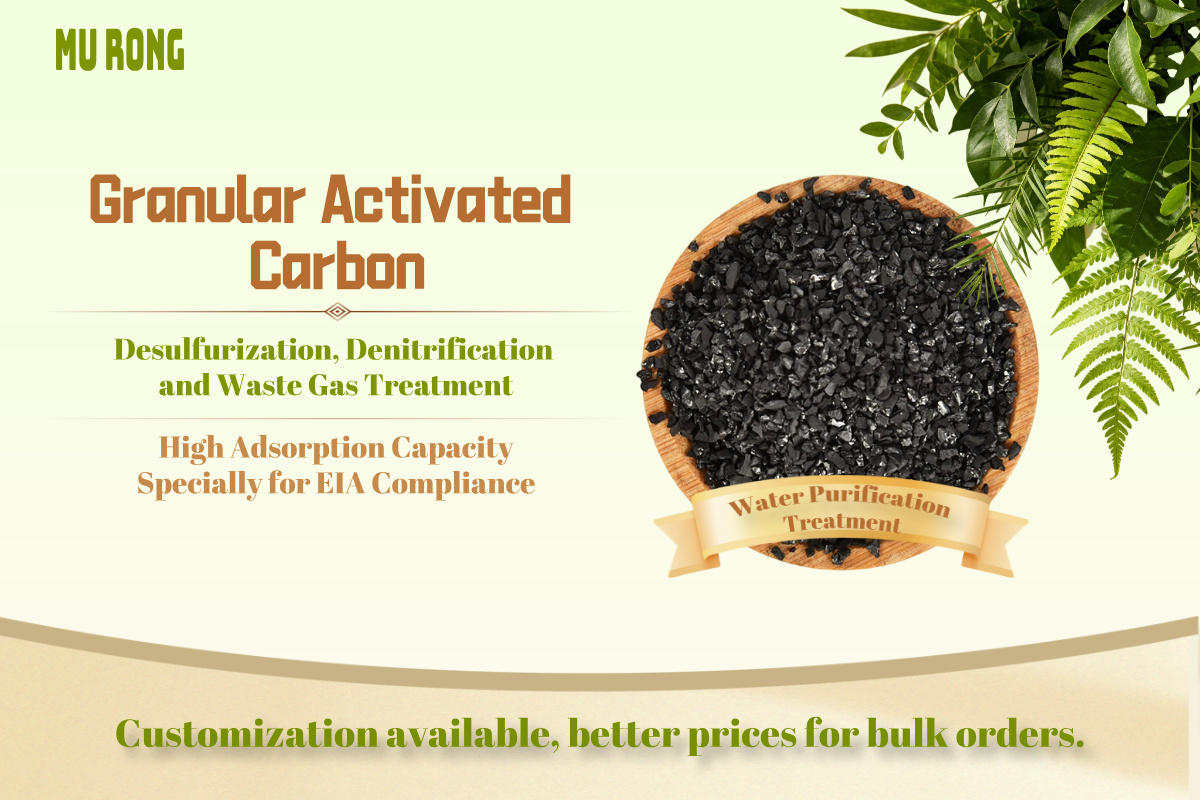
Coconut shell granular activated carbon is derived from the shells of coconuts through a specialized activation process. This process creates a porous structure with an extensive surface area, enabling the carbon to effectively adsorb impurities, contaminants, and odors from water and air. The granular form makes it particularly suitable for filtration systems, providing a convenient and efficient solution for various water treatment applications.
The unique properties of coconut shell activated carbon stem from its natural origin. Coconut shells are abundant, renewable, and sustainable resources, making this type of activated carbon an environmentally friendly choice. Additionally, the micro-porous structure of coconut shell carbon gives it superior adsorption capabilities compared to other types of activated carbon, such as coal-based or wood-based variants.
Factors Influencing Coconut Shell Granular Activated Carbon Price
Several factors contribute to the pricing of coconut shell granular activated carbon, making it essential to understand these variables when evaluating suppliers and comparing quotes:
1. Raw Material Quality
The quality of the coconut shells used as raw material significantly impacts the final product’s performance and price. High-quality shells from mature coconuts yield activated carbon with better porosity and adsorption capacity. Suppliers who source premium raw materials often charge higher prices but offer superior products that provide better value in the long run.
2. Activation Process
The method used to activate the coconut shells plays a crucial role in determining the carbon’s characteristics and cost. Physical activation (using steam or carbon dioxide) and chemical activation (using phosphoric acid or other chemicals) are the two primary methods. Physical activation typically produces higher-quality carbon but may be more expensive due to the energy-intensive process.
3. Particle Size and Distribution
The granular size of the activated carbon affects its filtration efficiency and application suitability. Smaller particles offer greater surface area but may cause higher pressure drops in filtration systems. Suppliers that provide consistent particle size distributions and can customize granule sizes to meet specific requirements often charge premium prices.
4. Purity and Impurity Level
The level of impurities in the final product influences its price. High-purity coconut shell activated carbon with minimal ash content and heavy metals is more desirable for sensitive applications like drinking water treatment and pharmaceutical processes, commanding higher prices in the market.
5. Packaging and Quantity
The way activated carbon is packaged and the minimum order quantities required by suppliers can affect the overall cost. Bulk purchases typically offer better unit prices, while specialized packaging for specific applications or transportation requirements may add to the expense.
6. Supplier Reputation and Location
Established suppliers with a proven track record of quality and reliability often charge higher prices than newer or less reputable companies. Additionally, the supplier’s location can impact shipping costs and delivery times, influencing the final price for international buyers.
How to Choose a Reliable Coconut Shell Activated Carbon Supplier
Selecting the right supplier is as crucial as evaluating the product itself when it comes to coconut shell granular activated carbon. Here are key factors to consider when making your decision:
1. Product Quality Certifications
Look for suppliers that adhere to international quality standards such as ISO 9001, NSF/ANSI 61, and AWWA B604. These certifications ensure that the activated carbon meets strict quality and safety requirements for water treatment applications.
2. Technical Support and Expertise
A reliable supplier should offer comprehensive technical support, including assistance with product selection, dosage recommendations, and system design. Companies with experienced technical teams can help optimize your water treatment processes and ensure optimal performance.
3. Customization Capabilities
The ability to customize activated carbon specifications to meet your specific needs is a valuable asset. Whether you require a particular particle size distribution, iodine number, or surface area, a supplier that can tailor their products to your requirements demonstrates flexibility and customer-centric approach.
4. Consistent Supply Chain
Evaluate the supplier’s production capacity and inventory management to ensure a consistent supply of activated carbon. Reliable suppliers should be able to provide stable pricing and timely deliveries, even during periods of high demand.
5. Customer Reviews and References
Research the supplier’s reputation by reading customer reviews and requesting references from clients in similar industries. Positive feedback and case studies from satisfied customers can provide valuable insights into the supplier’s reliability and product quality.
6. Competitive Pricing Structure
While price shouldn’t be the sole deciding factor, it’s essential to compare quotes from multiple suppliers to ensure you’re getting a fair deal. Look for suppliers that offer transparent pricing and are willing to provide detailed cost breakdowns.
| Comparison Factor | Premium Supplier | Budget Supplier |
|---|---|---|
| Raw Material Quality | High-grade coconut shells | Mixed or lower-grade shells |
| Activation Process | Advanced physical activation | Basic chemical activation |
| Quality Certifications | Multiple international standards | Limited or no certifications |
| Technical Support | Dedicated team, on-site assistance | Basic email support |
| Price Range | Higher initial cost | Lower initial cost |
| Long-term Value | Higher efficiency, lower maintenance | Potential for higher operational costs |
Applications of Coconut Shell Granular Activated Carbon
The versatility of coconut shell granular activated carbon makes it suitable for a wide range of water treatment applications across various industries:
- Drinking Water Treatment: Removes chlorine, taste, odor, and organic contaminants to improve water quality and safety.
- Industrial Process Water: Purifies water for use in manufacturing processes, preventing equipment corrosion and product contamination.
- Wastewater Treatment: Adsorbs pollutants and heavy metals from industrial and municipal wastewater streams.
- Aquaculture: Maintains water quality in fish farms and hatcheries by removing toxins and organic matter.
- Food and Beverage: Purifies process water and ingredients in brewing, winemaking, and food production.
- Pharmaceutical: Provides high-purity water for drug manufacturing and laboratory applications.
FAQ
What is the typical lifespan of coconut shell granular activated carbon in water treatment systems?
The lifespan of coconut shell activated carbon depends on several factors, including the quality of the carbon, the concentration of contaminants in the water, flow rate, and system design. On average, it can last between 6 to 24 months before requiring replacement. Regular monitoring of effluent quality and pressure drop across the filter can help determine the optimal replacement schedule.
How does coconut shell activated carbon compare to coal-based activated carbon in terms of performance?
Coconut shell activated carbon generally offers superior performance compared to coal-based alternatives due to its higher micro-porosity and larger surface area. This results in better adsorption capacity for small molecules and organic compounds, making it more effective for taste, odor, and chlorine removal in drinking water applications. However, coal-based carbon may be more suitable for certain industrial applications where macro-porosity is beneficial.
Can coconut shell activated carbon be regenerated, and is it cost-effective?
Yes, coconut shell activated carbon can be regenerated through thermal or chemical processes to restore its adsorption capacity. However, regeneration is typically more cost-effective for large-scale industrial applications where the volume of spent carbon justifies the investment in regeneration equipment and processes. For smaller-scale operations, it’s often more practical to replace the carbon with fresh material.
What are the environmental benefits of choosing coconut shell activated carbon over other types?
Coconut shell activated carbon offers several environmental advantages. Firstly, coconut shells are a renewable and sustainable by-product of the coconut industry, reducing waste and promoting circular economy principles. Secondly, the production process for coconut shell carbon typically has a lower carbon footprint compared to coal-based alternatives. Finally, its high efficiency means less material is required to achieve the same level of purification, reducing resource consumption.
Summary
Finding the right coconut shell granular activated carbon at a competitive price from a reliable supplier requires careful consideration of various factors. By understanding the elements that influence pricing, evaluating supplier credentials, and assessing your specific application requirements, you can make an informed decision that ensures optimal water treatment performance and long-term value. Remember to prioritize product quality and supplier reliability over initial cost savings, as investing in premium activated carbon often leads to better efficiency, lower maintenance, and improved overall system performance.