
In the global water treatment industry, coconut shell granular activated carbon stands out as a premium solution for removing contaminants and improving water quality. As a key product in industrial water treatment systems, understanding its pricing dynamics and supplier selection criteria is crucial for businesses seeking optimal performance and cost-effectiveness. This comprehensive guide provides detailed insights into coconut shell activated carbon pricing, supplier evaluation, and purchasing considerations for international buyers.
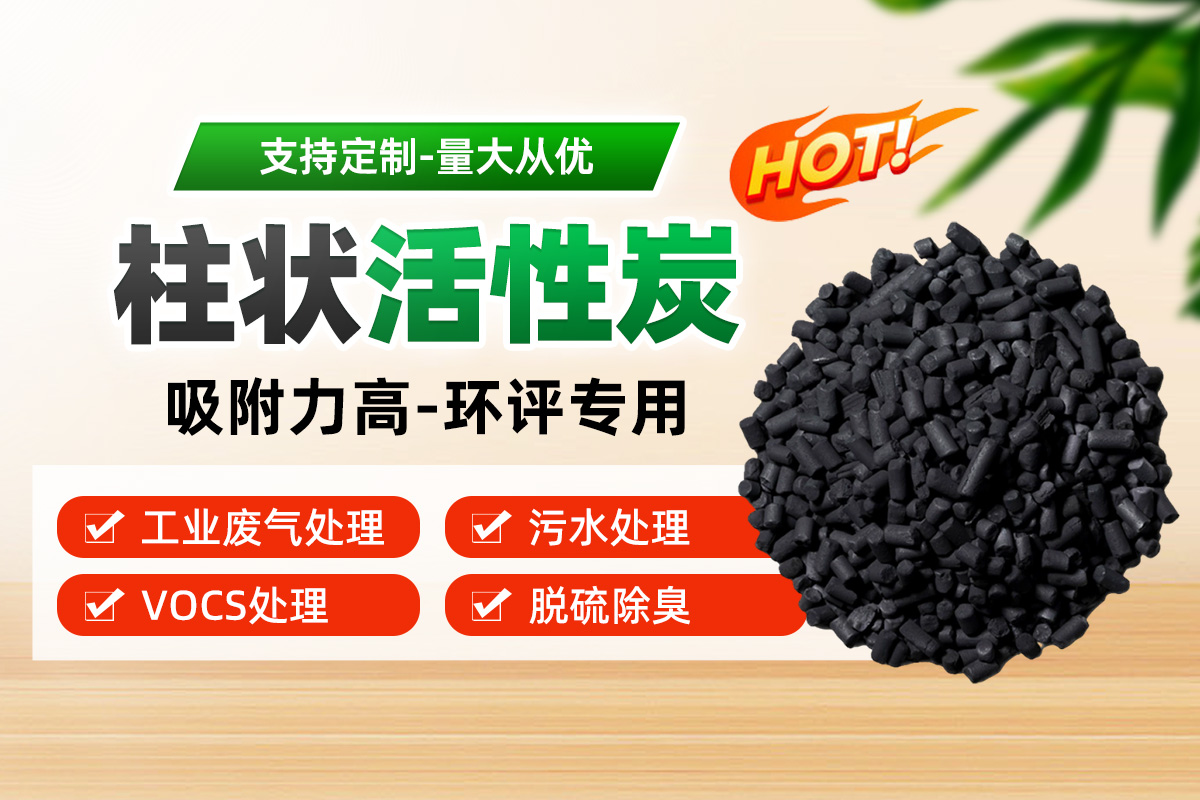
Understanding Coconut Shell Activated Carbon Pricing Factors
The pricing of coconut shell granular activated carbon is influenced by multiple factors that international buyers should consider when evaluating suppliers and making purchasing decisions. These key factors include:
1. Raw Material Quality
The quality of coconut shells used in production significantly impacts the final product’s performance and price. Premium-grade coconut shells from specific regions produce activated carbon with higher iodine numbers and better adsorption capacity, commanding premium prices in the market.
2. Manufacturing Process
Advanced activation methods, including physical activation (steam) and chemical activation, affect both production costs and product quality. Physical activation typically produces higher-quality carbon but involves more energy consumption, influencing the final price.
3. Particle Size Distribution
The granular size affects both performance and price. Smaller particles (0.5-1.0mm) offer higher surface area but may require special handling, while larger particles (2-4mm) are easier to handle but may have slightly lower adsorption rates. Suppliers often price based on specific size ranges.
4. Purity and Impurity Levels
Low ash content and minimal impurities indicate higher-quality activated carbon. Products with stringent purity standards (typically below 3% ash content) command premium prices due to their superior performance in sensitive applications.
5. Packaging and Delivery Terms
Bulk packaging options (super sacks, drums, or smaller bags) and delivery terms (FOB, CIF, etc.) significantly impact the final landed cost. International buyers should consider both the product price and logistics costs when evaluating total expenses.
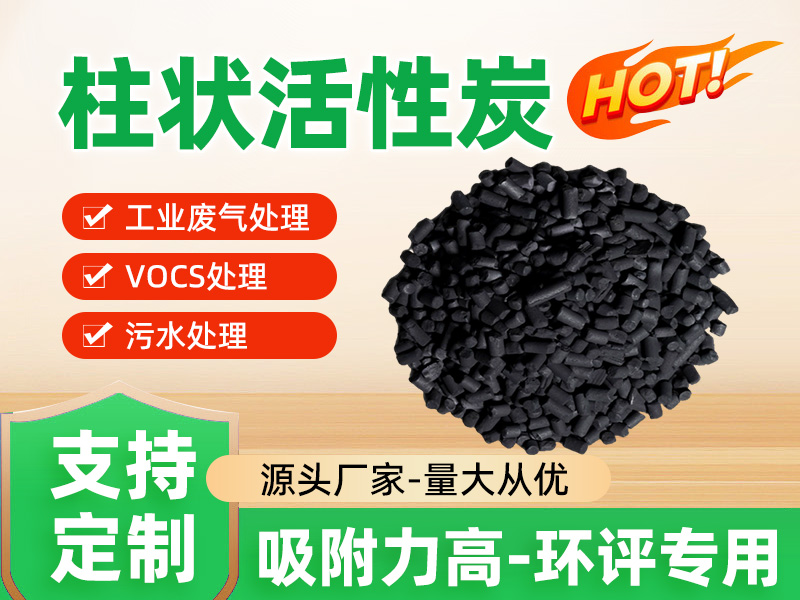
Current Market Pricing Trends
As of 2024, the global market for coconut shell granular activated carbon shows significant price variations based on quality grades and geographic regions. Understanding these trends helps international buyers make informed decisions:
| Quality Grade | Iodine Number (mg/g) | Price Range (USD/MT) | Typical Applications |
|---|---|---|---|
| Standard Grade | 800-950 | 1,800-2,200 | General water purification, air filtration |
| Premium Grade | 1,000-1,100 | 2,300-2,800 | Potable water treatment, food processing |
| Pharma Grade | 1,100+ | 3,000-3,800 | Pharmaceutical applications, high-purity systems |
These prices represent FOB (Free On Board) China port values and may vary based on order quantity, payment terms, and specific customer requirements. International buyers should request detailed quotations that include all relevant costs for accurate budgeting.
Evaluating Coconut Shell Activated Carbon Suppliers
Selecting the right supplier is as important as choosing the right product grade. International buyers should consider these critical factors when evaluating potential suppliers:
1. Production Capacity and Consistency
A reliable supplier should demonstrate consistent production capacity to meet your regular or bulk requirements. Inquire about their monthly output, quality control processes, and ability to maintain product specifications across batches.
2. Certifications and Quality Standards
Look for suppliers with relevant certifications such as ISO 9001 (Quality Management), NSF/ANSI 61 (Drinking Water System Components), and Halal/Kosher certifications if required for your applications. These demonstrate commitment to quality and regulatory compliance.
3. Technical Support and Application Expertise
The best suppliers offer more than just products – they provide technical support to help you optimize your water treatment systems. Evaluate their ability to recommend the right grade based on your specific water quality parameters and treatment objectives.
4. Supply Chain Reliability
Consider the supplier’s location, production stability, and ability to handle logistics efficiently. A supplier with multiple production facilities or strategic stocking locations can better ensure consistent supply, especially during peak demand periods.
5. Pricing Transparency and Flexibility
While price shouldn’t be the sole deciding factor, work with suppliers who provide transparent pricing structures and are willing to discuss volume discounts or long-term partnership arrangements. Be wary of significantly lower prices that may indicate compromised quality.
Cost Optimization Strategies for Buyers
International buyers can implement several strategies to optimize their coconut shell activated carbon procurement while maintaining quality standards:
- Volume Purchasing: Negotiate better pricing by committing to larger order quantities or establishing long-term supply agreements
- Consolidated Orders: Combine purchases with other water treatment chemicals from the same supplier to qualify for volume discounts
- Just-in-Time Inventory: Work with suppliers who offer flexible delivery schedules to minimize your inventory holding costs
- Product Substitution Analysis:
- Total Cost of Ownership: Consider not just the purchase price but also factors like transportation costs, duty rates, and potential savings from improved water treatment efficiency
Evaluate whether slightly lower-grade products can meet your requirements without compromising performance, potentially reducing costs
FAQ
What factors most significantly affect coconut shell activated carbon pricing?
The primary factors include raw material quality, manufacturing process, particle size distribution, purity levels, and packaging/delivery terms. Higher-quality coconut shells and advanced activation methods typically result in higher prices, while bulk packaging and favorable delivery terms can reduce costs.
How does coconut shell activated carbon compare to coal-based activated carbon in terms of pricing?
Coconut shell activated carbon generally costs 20-40% more than coal-based alternatives due to its superior pore structure, higher surface area, and better adsorption capacity for organic contaminants. However, its longer service life and better performance in sensitive applications often justify the premium price.
What are the typical payment terms for international activated carbon purchases?
Common payment terms include 30% advance with order and 70% before shipment (T/T), or irrevocable letter of credit (L/C) at sight. Some suppliers may offer flexible terms like D/P (Documents against Payment) or OA (Open Account) for established customers with good credit.
How can buyers verify the quality of coconut shell activated carbon before purchase?
Request detailed product specifications including iodine number, ash content, moisture content, and particle size distribution. Ask for sample testing or third-party lab reports. Reputable suppliers like Murong International provide comprehensive quality documentation with each shipment.
What is the typical shelf life of coconut shell activated carbon?
When stored properly in a cool, dry environment away from direct sunlight and contaminants, coconut shell activated carbon maintains its adsorption capacity for 3-5 years. Proper packaging (sealed bags or drums) is essential to prevent moisture absorption and contamination.
Summary
Understanding coconut shell granular activated carbon pricing requires consideration of multiple factors including raw material quality, production methods, and market dynamics. International buyers should evaluate suppliers based on their production capacity, quality certifications, technical support, and pricing transparency. By implementing cost optimization strategies and focusing on total cost of ownership rather than just purchase price, businesses can secure high-quality activated carbon that meets their water treatment requirements while maintaining budget efficiency. Murong (Shanghai) International Trading Co., Ltd., with its extensive industry experience and commitment to customer-centric service, stands as a reliable partner for global buyers seeking premium coconut shell activated carbon solutions.