
Selecting the right polyacrylamide (PAM) for your industrial applications is crucial for achieving optimal performance and cost-efficiency. As a leading international trader specializing in water treatment materials, Murong (Shanghai) International Trading Co., Ltd. has extensive experience helping global clients navigate the complex world of PAM selection. This comprehensive guide will walk you through the key considerations and expert tips for choosing the perfect PAM solution for your specific needs.
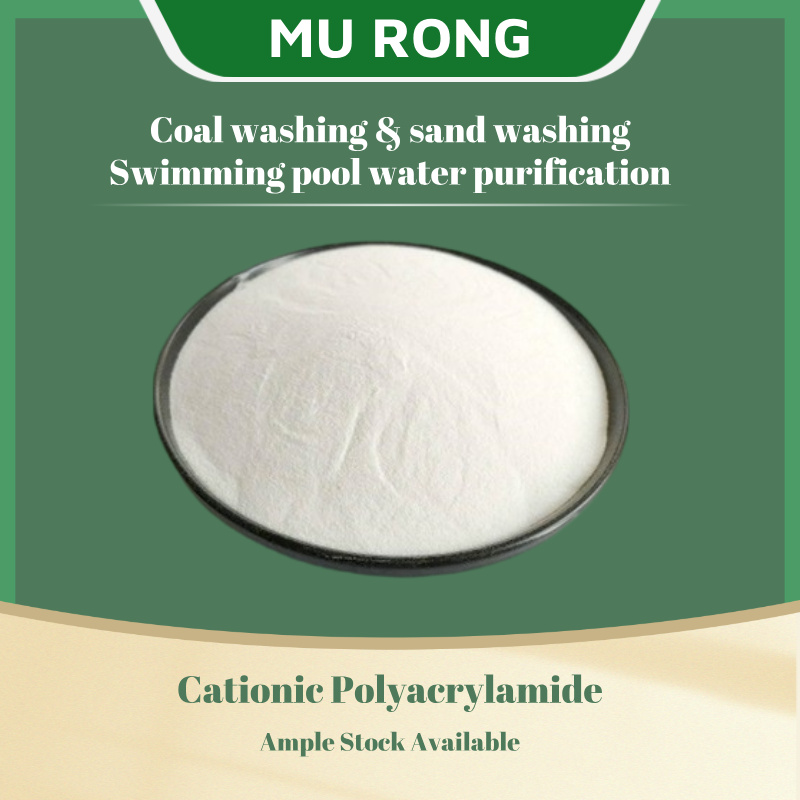
Understanding PAM Molecular Weight and Its Impact
One of the most critical factors in PAM selection is molecular weight, which significantly influences the product’s performance characteristics. High molecular weight PAM (typically above 10 million) offers excellent flocculation properties, making it ideal for applications requiring rapid sedimentation and clarification. These products form larger, more stable flocs that settle quickly, improving water clarity and reducing treatment time.
Conversely, low molecular weight PAM (usually below 5 million) provides better dispersion and thickening properties. These characteristics make them suitable for applications like paper manufacturing, where uniform dispersion of fibers is essential, or in drilling fluids where viscosity control is crucial. Murong International offers a comprehensive range of PAM products with varying molecular weights to meet diverse industrial requirements.
When selecting PAM based on molecular weight, consider your specific application requirements. For wastewater treatment plants handling high suspended solids loads, high molecular weight PAM will typically provide superior performance. For processes requiring precise viscosity control or uniform dispersion, lower molecular weight options may be more appropriate. Our technical team can help analyze your specific needs and recommend the optimal molecular weight range for your application.
Ionicity Types and Their Application Suitability
PAM products come in three primary ionicity types: anionic, cationic, and nonionic. Each type exhibits unique chemical properties that make them suitable for different applications. Anionic PAM carries a negative charge and is particularly effective in treating inorganic suspended solids and neutral to slightly alkaline water conditions. It’s widely used in industries like mining, metallurgy, and textile wastewater treatment.
Cationic PAM, with its positive charge, excels at treating organic suspended solids and works best in acidic to neutral pH conditions. This type is particularly valuable in food processing wastewater treatment, paper recycling, and oil industry applications where organic contaminants need to be removed. Nonionic PAM, being electrically neutral, serves as a versatile option that works well as a dispersant or thickener across various pH ranges.
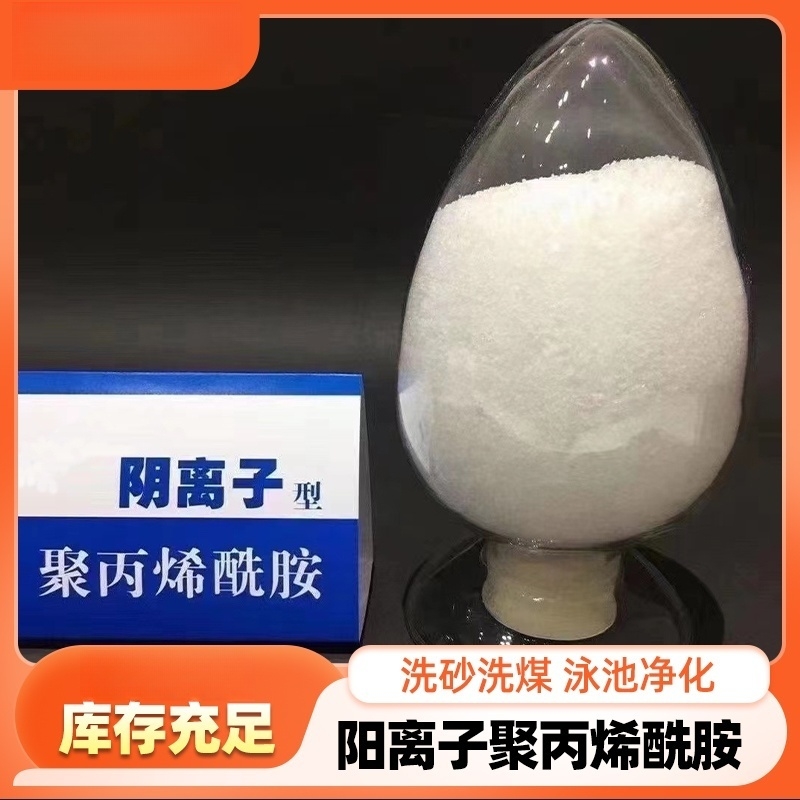
Murong International maintains an extensive inventory of all three PAM types, allowing us to provide tailored solutions for diverse industrial applications. Our technical experts can analyze your water composition, process conditions, and treatment objectives to recommend the most suitable ionicity type and dosage for optimal performance. This personalized approach ensures you get the most effective and cost-efficient PAM solution for your specific needs.
Key Parameters for PAM Selection
When evaluating PAM products, several technical parameters are crucial for ensuring compatibility with your application requirements:
- Molecular Weight: As discussed, this determines flocculation efficiency and sedimentation rate
- Degree of Hydrolysis: Affects the product’s anionic character and solubility
- Residual Monomer Content: Important for applications with strict purity requirements
- Dissolution Time: Critical for processes requiring rapid solution preparation
- Viscosity: Indicates molecular weight distribution and product consistency
Murong International sources PAM from reputable manufacturers who adhere to strict quality control standards. Our products undergo comprehensive testing to ensure they meet international specifications for each parameter. We can provide detailed technical specifications and certificates of analysis for all our PAM products, giving you confidence in their quality and performance.
| Parameter | Industrial Requirement | Murong Standard |
|---|---|---|
| Molecular Weight | 3-20 million | 3-25 million (customizable) |
| Degree of Hydrolysis | 5-40% | 5-50% (customizable) |
| Residual Monomer | ≤0.05% | ≤0.02% |
| Dissolution Time | ≤2 hours | ≤1.5 hours |
Application-Specific PAM Selection Strategies
Different industrial applications have unique requirements that influence PAM selection. In wastewater treatment, the choice depends on the nature of contaminants, water chemistry, and treatment process. For example, textile wastewater with high dye content may require a combination of anionic and cationic PAM for effective color removal and suspended solids reduction.
The mining industry presents another specialized application where PAM helps in tailings management and water recovery. Here, the selection focuses on products that can handle high solids concentrations and abrasive conditions while maintaining effective flocculation. Murong International has developed specialized PAM formulations for mining applications that demonstrate superior performance in these challenging conditions.
In the paper industry, PAM serves multiple functions including retention aid, dry strength agent, and water clarification agent. The selection criteria here include compatibility with paper fibers, effect on paper strength properties, and contribution to drainage efficiency. Our technical team works closely with paper manufacturers to develop customized PAM solutions that optimize both process efficiency and final product quality.
FAQ
What factors should I consider when selecting PAM for wastewater treatment?
When choosing PAM for wastewater treatment, consider the nature of contaminants (organic/inorganic), water pH, suspended solids concentration, and treatment process requirements. Murong International offers free water analysis services to help determine the most suitable PAM type and dosage for your specific wastewater characteristics.
How do I determine the right molecular weight for my application?
The optimal molecular weight depends on your desired floc size and settling velocity. Higher molecular weight PAM (15-25 million) generally produces larger flocs that settle faster, making it suitable for applications with high suspended solids loads. For processes requiring finer flocculation or rapid dissolution, lower molecular weight options (5-12 million) may be more appropriate. Our technical team can provide specific recommendations based on your application requirements.
What quality certifications should I look for in PAM suppliers?
Reputable PAM suppliers should provide certifications including ISO 9001 (quality management), ISO 14001 (environmental management), and product-specific certifications like REACH compliance for European markets. Murong International maintains all these certifications and can provide detailed quality documentation for all our products, ensuring compliance with international standards.
How can I ensure consistent PAM quality for my production processes?
Consistent quality requires working with suppliers who implement strict quality control throughout the production process. Murong International sources PAM from manufacturers with advanced production facilities and comprehensive quality management systems. We perform regular batch testing and can provide consistent product specifications to ensure your processes run smoothly without quality variations.
What is the typical shelf life of PAM products?
When stored properly in cool, dry conditions away from direct sunlight, PAM products typically maintain their effectiveness for 2-3 years. Murong International provides detailed storage instructions with each shipment and can advise on optimal storage conditions to maximize product shelf life. We also implement strict inventory management to ensure you receive fresh products with full remaining shelf life.
Summary
Selecting the right PAM for your industrial applications requires careful consideration of molecular weight, ionicity, and application-specific requirements. As a specialized international trader in water treatment materials, Murong (Shanghai) International Trading Co., Ltd. offers comprehensive expertise and a wide range of high-quality PAM products to meet diverse industrial needs. Our technical team provides personalized consultation, free water analysis services, and customized solutions to ensure you get the most effective and cost-efficient PAM for your specific application.
With our commitment to quality, extensive product range, and customer-centric approach, Murong International has established itself as a trusted partner for global clients seeking reliable PAM solutions. Whether you need standard products or specialized formulations, we have the expertise and resources to support your water treatment and industrial process requirements. Contact us today to discuss your PAM needs and discover how we can help optimize your operations.