
When it comes to industrial water treatment solutions, coconut shell granular activated carbon stands out as one of the most effective and versatile materials available. As a leading international trader in water treatment materials, Murong (Shanghai) International Trading Co., Ltd. has extensive experience helping clients worldwide source premium quality activated carbon at competitive prices. This comprehensive guide will analyze the key factors affecting coconut shell activated carbon pricing, explain quality standards, and provide practical tips for selecting the best supplier for your specific needs.
Understanding Coconut Shell Activated Carbon Pricing Factors
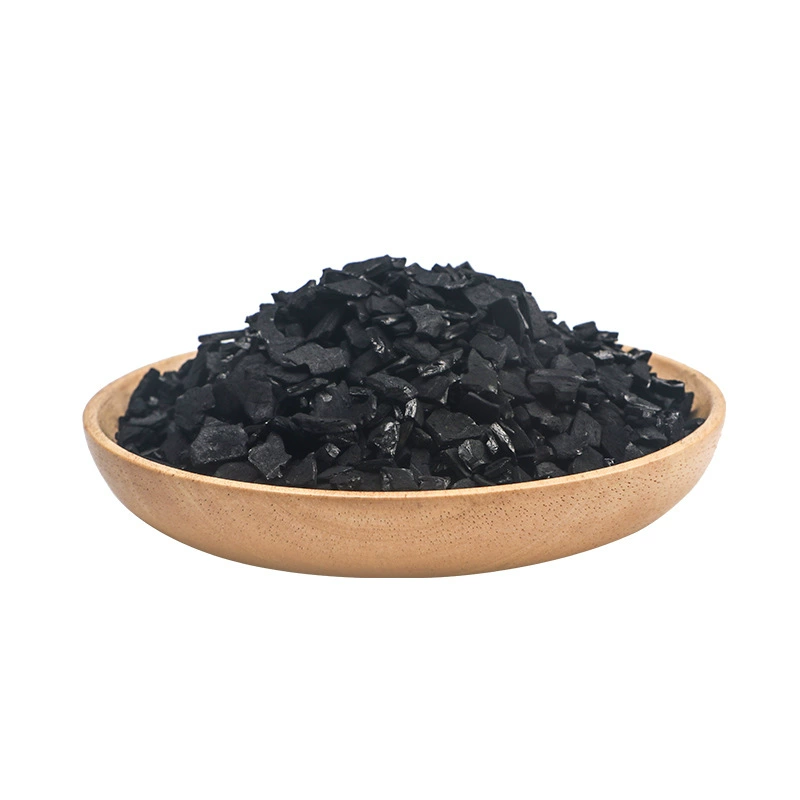
The price of coconut shell granular activated carbon varies significantly based on several key factors. First and foremost is the quality of the raw material – premium coconut shells from specific regions produce superior activated carbon with higher iodine numbers and better adsorption capacity. The activation process itself also impacts pricing, with physically activated carbon (using steam) typically costing more than chemically activated varieties due to its purity and environmental benefits.
Particle size distribution is another crucial pricing factor. Standard granular sizes (4×8, 6×12, 8×16 mesh) have different production costs and application suitability. Smaller particles offer higher surface area but may cause pressure drops in filtration systems, while larger granules provide better flow rates but slightly reduced adsorption efficiency. Specialized sizes for specific applications often command premium pricing.
Packaging and logistics also contribute to the final cost. Bulk shipments in super sacks or tank trucks reduce packaging costs compared to smaller bagged quantities, but require appropriate storage facilities. International shipping costs, import duties, and currency exchange rates all influence the landed cost for buyers outside China. As a Shanghai-based company with established global logistics networks, Murong International can optimize these factors to offer competitive pricing to international clients.
Quality Standards and Certifications for Industrial Activated Carbon
When evaluating coconut shell activated carbon suppliers, quality certifications are essential indicators of product reliability. The most important standards include ASTM D2866 for moisture content, ASTM D2854 for ash content, and ASTM D4607 for iodine number – a key measure of adsorption capacity. Premium products typically achieve iodine numbers above 1000 mg/g, with some specialty grades exceeding 1200 mg/g.
Food-grade applications require additional certifications like NSF/ANSI 61 for drinking water systems and ISO 9001:2015 for quality management systems. For pharmaceutical applications, suppliers should maintain GMP (Good Manufacturing Practice) compliance. Murong International works exclusively with ISO-certified manufacturers who implement rigorous quality control protocols at every production stage, from raw material inspection to final product testing.
Environmental sustainability is becoming increasingly important in activated carbon production. Leading manufacturers now use renewable energy sources for the activation process and implement waste recycling systems. Some even offer carbon credit programs for large-volume purchases. When selecting a supplier, consider their environmental policies and sustainability certifications alongside product quality and pricing.
Comparative Analysis of Activated Carbon Types
While coconut shell activated carbon offers excellent performance for many applications, it’s important to understand how it compares to other types:
| Activated Carbon Type | Key Advantages | Typical Applications | Price Range |
|---|---|---|---|
| Coconut Shell | High micro-pore structure, excellent for VOC removal | Drinking water, food & beverage, pharmaceutical | $$$-$$$$ |
| Coal-Based | High meso-pore structure, good for color removal | Industrial wastewater, chemical processing | $$-$$$ |
| Wood-Based | High macropore structure, good for dechlorination | Municipal water treatment, aquariums | $$-$$$ |
Selecting the Right Activated Carbon Supplier
Choosing a reliable supplier involves evaluating more than just price. Look for companies with: 1) Proven experience in international trade and logistics, 2) Direct relationships with certified manufacturers, 3) Comprehensive technical support capabilities, and 4) Flexible order quantities to accommodate your production needs. Murong International excels in all these areas, having served clients in over 30 countries since our establishment.
Technical support is particularly crucial for activated carbon applications. The optimal product selection depends on your specific water quality parameters, treatment objectives, and system design. A reputable supplier should offer laboratory testing services to analyze your water samples and recommend the most cost-effective solution. Murong’s team of chemical engineers provides this personalized service free of charge to all serious inquiries.
Payment terms and financial stability are other important considerations for international trade. Established suppliers like Murong International offer flexible payment options including letters of credit, bank transfers, and trade finance solutions. We also maintain adequate inventory levels to ensure reliable supply even during periods of high demand or raw material shortages.
FAQ
What determines the price of coconut shell activated carbon?
The price depends on raw material quality, activation method, particle size, iodine number, packaging, and logistics costs. Premium coconut shells from specific regions produce higher-quality activated carbon that commands premium pricing. Physically activated carbon typically costs more than chemically activated varieties due to its purity and environmental benefits.
How does coconut shell activated carbon compare to coal-based alternatives?
Coconut shell activated carbon has a higher micro-pore structure, making it more effective for removing volatile organic compounds (VOCs) and small molecules. Coal-based activated carbon has more meso-pores, making it better for color removal and treating larger molecules. Coconut shell varieties are generally more expensive but offer superior performance for drinking water and food-grade applications.
What certifications should I look for in activated carbon suppliers?
Essential certifications include ISO 9001:2015 for quality management, NSF/ANSI 61 for drinking water systems, and ASTM standards for product specifications. For pharmaceutical applications, GMP compliance is required. Environmental certifications like carbon footprint verification are becoming increasingly important for sustainable procurement.
How can I verify the quality of activated carbon before purchase?
Request a certificate of analysis (CoA) for each batch showing key parameters like iodine number, moisture content, ash content, and particle size distribution. Reputable suppliers like Murong International offer free sample testing in their laboratories to verify product performance against your specific water quality requirements.
What is the typical shelf life of activated carbon?
When stored properly in a cool, dry environment away from direct sunlight and contaminants, activated carbon maintains its adsorption capacity for 3-5 years. Proper packaging is essential – sealed bags or containers prevent moisture absorption and contamination that would reduce effectiveness.
Summary
Selecting the right coconut shell granular activated carbon requires careful consideration of quality specifications, pricing factors, and supplier capabilities. While price is important, it should be weighed against product performance, certification standards, and technical support services. As a leading international trader with deep industry expertise, Murong (Shanghai) International Trading Co., Ltd. offers premium quality activated carbon at competitive prices, backed by comprehensive technical support and reliable global logistics. Our commitment to quality, customer service, and sustainable practices makes us the preferred partner for clients worldwide seeking effective water treatment solutions.