
In the realm of water treatment and industrial filtration, coconut shell activated carbon stands out as a premier choice due to its superior adsorption capabilities and environmental friendliness. For businesses seeking efficient and sustainable solutions, understanding the pricing dynamics and identifying reputable suppliers is crucial. This comprehensive guide delves into the factors influencing the price of high-quality coconut shell activated carbon, highlights top-rated suppliers, and provides insights into selecting the best product for your specific needs.
Understanding Coconut Shell Activated Carbon
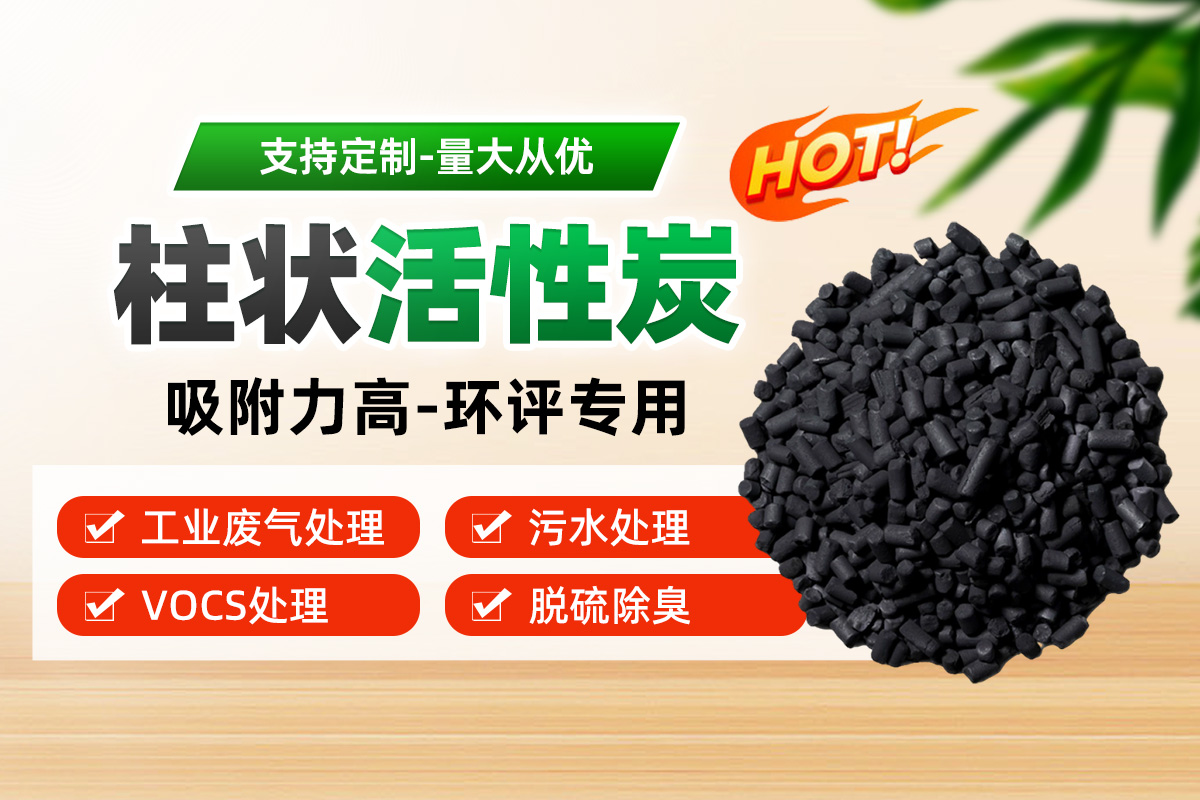
Coconut shell activated carbon is derived from the shells of coconuts, which undergo a process of carbonization followed by activation. This process enhances the carbon’s porosity, creating a vast network of microscopic pores that effectively trap impurities, chemicals, and odors. Its high surface area and pore structure make it an excellent adsorbent for a wide range of applications, including water purification, air filtration, and industrial processes.
Factors Influencing the Price of Coconut Shell Activated Carbon
The price of coconut shell activated carbon can vary significantly based on several factors. Understanding these elements can help you make informed purchasing decisions and ensure you get the best value for your investment.
1. Quality and Purity
The quality and purity of coconut shell activated carbon are paramount. Higher purity levels typically result in better adsorption performance, making the product more effective in removing contaminants. Suppliers that invest in rigorous quality control processes and use premium raw materials often charge a premium for their products.
2. Particle Size and Mesh
The particle size and mesh of activated carbon influence its surface area and flow characteristics. Finer particles offer a larger surface area for adsorption but may require more energy to filter through. Coarser particles, on the other hand, provide better flow rates but may have slightly lower adsorption capacity. The specific application dictates the optimal particle size, which in turn affects the price.
3. Activation Process
The method used to activate the carbon plays a crucial role in determining its properties and cost. Physical activation, which involves heating the carbon in the presence of steam or carbon dioxide, is generally less expensive but may result in lower surface areas. Chemical activation, using agents like phosphoric acid or potassium hydroxide, produces higher surface areas but is more costly due to the additional chemicals and processing steps involved.
4. Quantity Purchased
Bulk purchases often come with volume discounts, reducing the per-unit cost of coconut shell activated carbon. For businesses with high consumption rates, buying in larger quantities can lead to significant savings over time.
5. Supplier Reputation and Location
Reputable suppliers with a track record of delivering high-quality products and excellent customer service may charge slightly higher prices. However, the peace of mind and reliability they offer can justify the additional cost. Additionally, the supplier’s location can impact shipping costs and delivery times, influencing the overall price you pay.

Top-Rated Suppliers of High-Quality Coconut Shell Activated Carbon
Choosing the right supplier is as important as selecting the right product. Here are some top-rated suppliers known for their commitment to quality, reliability, and customer satisfaction:
1. Murong (Shanghai) International Trading Co., Ltd.
Murong (Shanghai) International Trading Co., Ltd., based in Shanghai, specializes in the international trade of water treatment materials, including coconut shell activated carbon. With a wealth of industry experience and a team of skilled professionals, the company offers a wide range of high-quality products tailored to meet the diverse needs of its global clientele. Murong’s dedication to professionalism, informatization, and integration ensures a modern and efficient business model, making it a trusted partner for businesses seeking reliable water treatment solutions.
2. Supplier B: Activated Carbon Experts
Activated Carbon Experts is renowned for its extensive selection of activated carbon products, including coconut shell variants. The company prides itself on its rigorous quality control processes and commitment to sustainability, ensuring that its products meet the highest environmental standards. With a global presence and a reputation for excellence, Activated Carbon Experts is a go-to choice for businesses seeking premium-quality activated carbon.
3. Supplier C: Pure Water Solutions
Pure Water Solutions specializes in providing comprehensive water treatment solutions, including coconut shell activated carbon. The company’s focus on innovation and customer service has earned it a loyal customer base across various industries. Pure Water Solutions offers customized products and expert advice to help businesses optimize their water treatment processes and achieve the best possible results.
Selecting the Right Coconut Shell Activated Carbon for Your Needs
Choosing the right coconut shell activated carbon involves considering several factors, including the specific application, desired purity levels, and budget constraints. Here are some tips to guide you through the selection process:
- Identify Your Application: Determine the primary use of the activated carbon, whether it’s for water purification, air filtration, or industrial processes. This will help you narrow down the options and select a product with the appropriate particle size and adsorption capacity.
- Assess Purity Requirements: Consider the level of purity needed for your application. For critical applications like drinking water treatment, higher purity levels are essential to ensure safety and compliance with regulatory standards.
- Evaluate Cost-Effectiveness:
- Research Suppliers: Take the time to research and compare different suppliers. Look for companies with a proven track record of delivering high-quality products and excellent customer service. Reading reviews and seeking recommendations from industry peers can also provide valuable insights.
- Request Samples: If possible, request samples of the activated carbon products you’re considering. This allows you to test their performance in your specific application and make an informed decision based on firsthand experience.
While price is an important consideration, it should not be the sole determining factor. Evaluate the cost-effectiveness of each option by considering factors like adsorption capacity, lifespan, and maintenance requirements. A slightly more expensive product with superior performance may offer better long-term value.
FAQ
What is the average price range for high-quality coconut shell activated carbon?
The price of high-quality coconut shell activated carbon can vary widely depending on factors like quality, purity, particle size, and quantity purchased. On average, prices can range from $1,500 to $3,000 per metric ton, with premium-grade products commanding higher prices.
How can I ensure the coconut shell activated carbon I purchase is of high quality?
To ensure high quality, look for suppliers that adhere to strict quality control processes and use premium raw materials. Requesting product specifications, certificates of analysis, and samples can also help you verify the quality and performance of the activated carbon.
What are the main applications of coconut shell activated carbon?
Coconut shell activated carbon is widely used in water purification, air filtration, and industrial processes. Its superior adsorption capabilities make it effective in removing contaminants, chemicals, and odors from various media.
How does the particle size of coconut shell activated carbon affect its performance?
The particle size of activated carbon influences its surface area and flow characteristics. Finer particles offer a larger surface area for adsorption but may require more energy to filter through. Coarser particles provide better flow rates but may have slightly lower adsorption capacity. The optimal particle size depends on the specific application.
Can I purchase coconut shell activated carbon in bulk to save on costs?
Yes, purchasing coconut shell activated carbon in bulk can often lead to volume discounts, reducing the per-unit cost. For businesses with high consumption rates, buying in larger quantities can result in significant savings over time.
What is the difference between physical and chemical activation of coconut shell activated carbon?
Physical activation involves heating the carbon in the presence of steam or carbon dioxide, resulting in a product with lower surface areas but lower costs. Chemical activation uses agents like phosphoric acid or potassium hydroxide to produce higher surface areas but is more expensive due to the additional chemicals and processing steps involved.
How can I find a reputable supplier of coconut shell activated carbon?
To find a reputable supplier, research different companies, read reviews, and seek recommendations from industry peers. Look for suppliers with a proven track record of delivering high-quality products and excellent customer service. Requesting product samples and certificates of analysis can also help you verify the supplier’s credibility.
What factors should I consider when selecting coconut shell activated carbon for my application?
When selecting coconut shell activated carbon, consider factors like the specific application, desired purity levels, particle size, and budget constraints. Assessing the cost-effectiveness of each option by considering adsorption capacity, lifespan, and maintenance requirements can also help you make an informed decision.
Is coconut shell activated carbon environmentally friendly?
Yes, coconut shell activated carbon is considered environmentally friendly due to its renewable source and biodegradable nature. Additionally, its superior adsorption capabilities can help reduce the use of chemicals and energy in water treatment and industrial processes, further contributing to environmental sustainability.
How often should I replace coconut shell activated carbon in my filtration system?
The frequency of replacement depends on several factors, including the specific application, flow rate, and level of contaminants. Regular monitoring of the activated carbon’s performance and conducting periodic tests can help you determine the optimal replacement schedule. As a general guideline, replacement intervals can range from several months to a few years.
Summary
Selecting the right coconut shell activated carbon involves understanding the factors influencing its price, identifying reputable suppliers, and considering your specific application needs. By assessing quality, purity, particle size, and cost-effectiveness, you can make an informed decision that ensures optimal performance and value for your investment. Murong (Shanghai) International Trading Co., Ltd., and other top-rated suppliers offer a wide range of high-quality products and expert advice to help you navigate the selection process and achieve the best possible results in your water treatment and industrial filtration applications.