
In the global water treatment industry, premium coconut shell activated carbon has emerged as a critical component for effective purification and filtration systems. As a leading manufacturer and supplier based in Shanghai, China, Murong International Trading has been serving industrial clients worldwide with high-quality activated carbon solutions since our establishment. This comprehensive guide explores the pricing dynamics, quality factors, and industrial applications of premium coconut shell activated carbon, providing valuable insights for global procurement managers and water treatment specialists.
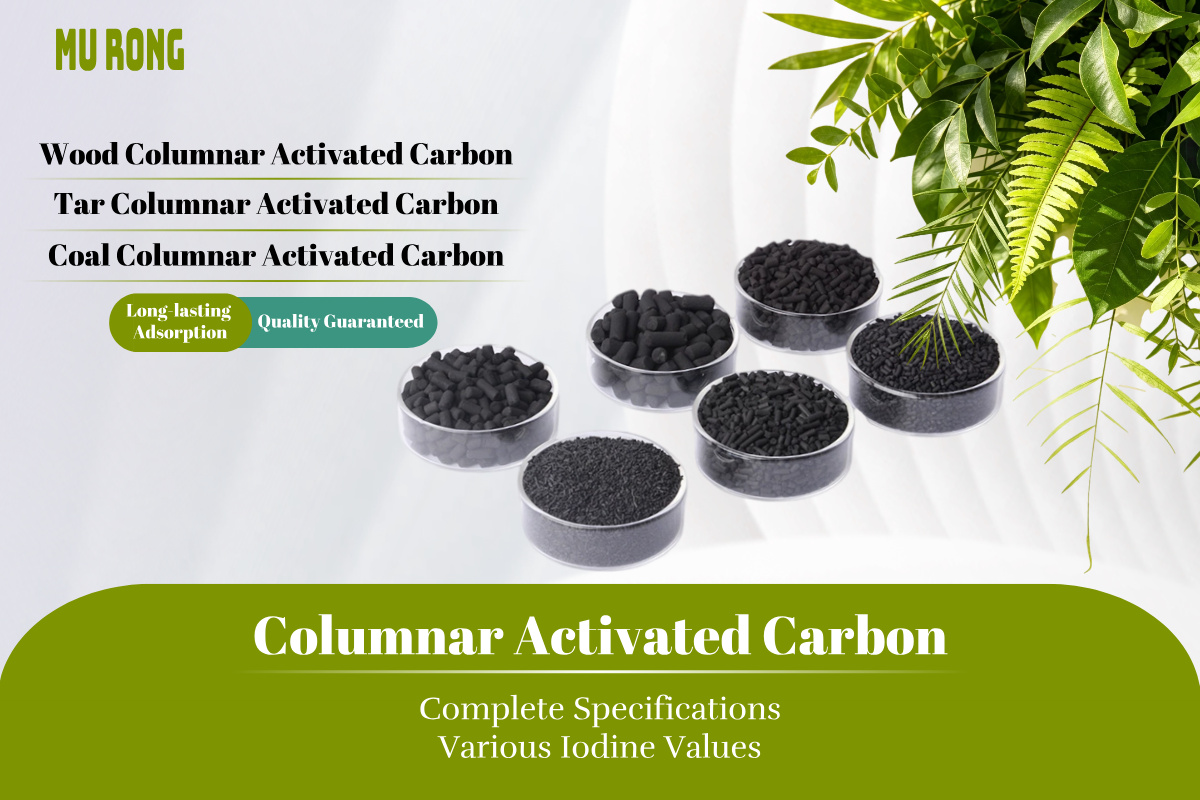
Understanding Premium Coconut Shell Activated Carbon
Premium coconut shell activated carbon represents the highest grade of activated carbon derived from coconut husks through a specialized carbonization and activation process. This material is characterized by its exceptional micro-porous structure, large surface area (typically 900-1,200 m²/g), and high hardness, making it ideal for demanding industrial applications including water treatment, air purification, and chemical processing.
The production process involves several critical stages: raw material selection, carbonization at controlled temperatures, steam activation to develop porosity, and final processing to achieve specific particle size distributions. Our manufacturing facility in Shanghai employs state-of-the-art equipment and rigorous quality control systems to ensure consistent product performance that meets international standards including ASTM, AWWA, and NSF certifications.
Factors Influencing Premium Coconut Shell Activated Carbon Price
The pricing of premium coconut shell activated carbon is determined by multiple factors that reflect both production costs and market dynamics. Understanding these elements helps procurement professionals make informed decisions when evaluating suppliers and negotiating contracts:
1. Raw Material Quality
The quality of coconut shells used as feedstock significantly impacts the final product’s performance and cost. Premium grade requires uniformly sized, clean coconut husks with consistent moisture content. Our procurement team sources raw materials from sustainable plantations in Southeast Asia, ensuring stable supply and quality control from the production source.
2. Activation Process Parameters
The activation temperature, duration, and steam flow rate during production determine the carbon’s porosity characteristics. Premium products require precise control of these parameters to achieve optimal pore size distribution for specific applications. Our advanced rotary kiln activation system allows for precise parameter control, resulting in consistent product quality batch after batch.
3. Particle Size Distribution
Different applications require specific particle size ranges. Water treatment typically uses 8×30 mesh or 12×40 mesh sizes, while air purification may require finer grades. Custom sizing involves additional processing steps that affect production costs. We maintain multiple production lines to accommodate various size requirements efficiently.
4. Quality Certifications
Products meeting international standards like NSF/ANSI 61, ISO 9001, and FDA requirements command premium pricing due to the additional testing and documentation involved. Our quality assurance system ensures all batches come with complete certification packages, simplifying our clients’ compliance processes.
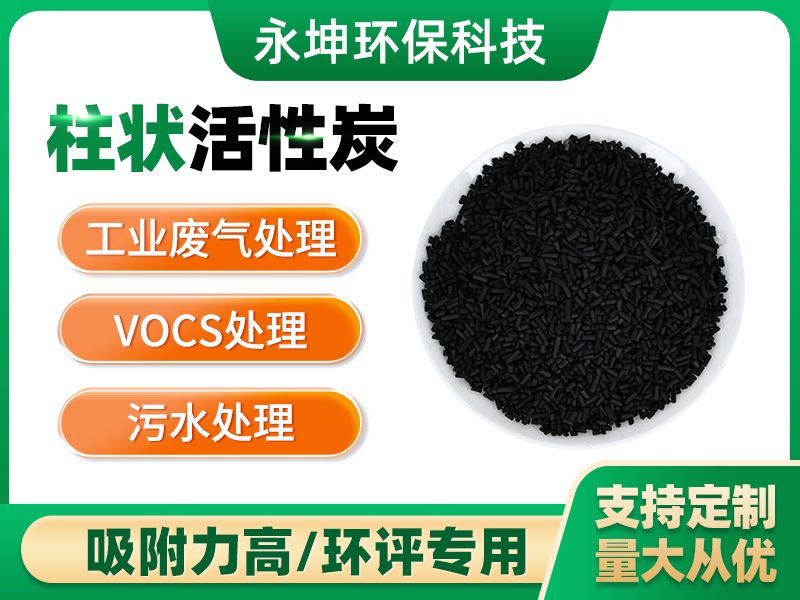
Comparative Analysis with Other Activated Carbon Types
When evaluating premium coconut shell activated carbon against alternative materials, several key differences impact both performance and cost structure:
| Parameter | Coconut Shell AC | Coal-Based AC | Wood-Based AC |
|---|---|---|---|
| Surface Area (m²/g) | 900-1,200 | 800-1,000 | 700-900 |
| Pore Structure | Micro-dominant | Mixed | Macro-dominant |
| Hardness (%) | 95-98 | 90-95 | 85-90 |
| Ash Content (%) | 2-5 | 8-15 | 3-8 |
| Typical Price (USD/kg) | 3.5-5.2 | 1.8-3.0 | 2.5-4.0 |
While coconut shell activated carbon typically commands a premium price, its superior micro-porous structure makes it more effective for removing small molecular weight contaminants like chlorine, chloramines, and volatile organic compounds (VOCs) commonly found in drinking water and industrial wastewater. The lower ash content also reduces the frequency of backwashing required in filtration systems, translating to operational cost savings over time.
Optimizing Cost Efficiency in Activated Carbon Procurement
For global procurement managers seeking to balance quality requirements with budget constraints, several strategies can help optimize costs without compromising performance:
- Bulk Purchasing: Larger order quantities typically qualify for volume discounts. Our flexible production scheduling allows us to accommodate container-load orders with competitive pricing while maintaining product freshness through proper storage.
- Custom Formulations:
- Just-in-Time Delivery: Our Shanghai warehouse and global logistics network support efficient inventory management, allowing clients to maintain lower on-site stock levels while ensuring reliable supply.
- Regeneration Services: For certain applications, used activated carbon can be professionally regenerated at our facilities, offering significant cost savings compared to purchasing new material. We provide complete documentation to verify regeneration quality.
By working closely with our technical team, clients can develop custom activated carbon blends that match their specific contaminant removal requirements, potentially reducing material usage compared to standard products.
FAQ
What is the typical shelf life of premium coconut shell activated carbon?
When stored properly in a cool, dry environment away from direct sunlight and contaminants, premium coconut shell activated carbon maintains its adsorption capacity for 3-5 years. Our packaging includes moisture-resistant barriers and we recommend rotating stock based on production dates.
How does particle size affect activated carbon performance?
Smaller particles (higher mesh numbers) provide greater surface area exposure per unit volume, enhancing adsorption kinetics but increasing pressure drop in filtration systems. Larger particles offer better flow characteristics but may require longer contact times. We help clients select optimal sizes based on their specific process parameters.
Can coconut shell activated carbon be used for gold recovery applications?
While coconut shell activated carbon excels in water treatment applications, its micro-porous structure makes it less suitable for gold recovery compared to coal-based activated carbon which has more meso-pores. We offer specialized coal-based products optimized for precious metal recovery processes.
What documentation should I expect with my activated carbon order?
Every shipment includes a certificate of analysis detailing key specifications, a material safety data sheet (MSDS), and applicable certification documents (NSF, ISO, etc.). For food-grade applications, we provide additional documentation verifying compliance with relevant regulations.
Summary
The pricing of premium coconut shell activated carbon reflects its superior quality and performance characteristics compared to alternative materials. While initial costs may be higher, the material’s exceptional purity, hardness, and adsorption capacity translate to lower long-term operational expenses through reduced maintenance requirements and longer service life. As a leading manufacturer with over a decade of experience serving global industrial clients, Murong International Trading offers competitive pricing backed by comprehensive technical support, reliable supply chain management, and customization capabilities to meet diverse application requirements.
For procurement professionals evaluating activated carbon suppliers, we recommend considering not just the upfront price but the total cost of ownership, including product performance, technical support, and supply reliability. Our team of water treatment specialists is available to provide detailed cost-benefit analyses and help optimize your activated carbon selection based on specific process requirements.