
When it comes to selecting a PAM (polyacrylamide) supplier for your industrial needs, the decision carries significant weight. PAM plays a crucial role in various industrial processes, particularly in water treatment, paper manufacturing, and oil recovery. As a global buyer, you need a supplier that not only provides high-quality products but also offers reliable service and technical support. This comprehensive guide will walk you through everything you need to know about choosing the best PAM supplier, focusing on professional manufacturers with authoritative credentials.
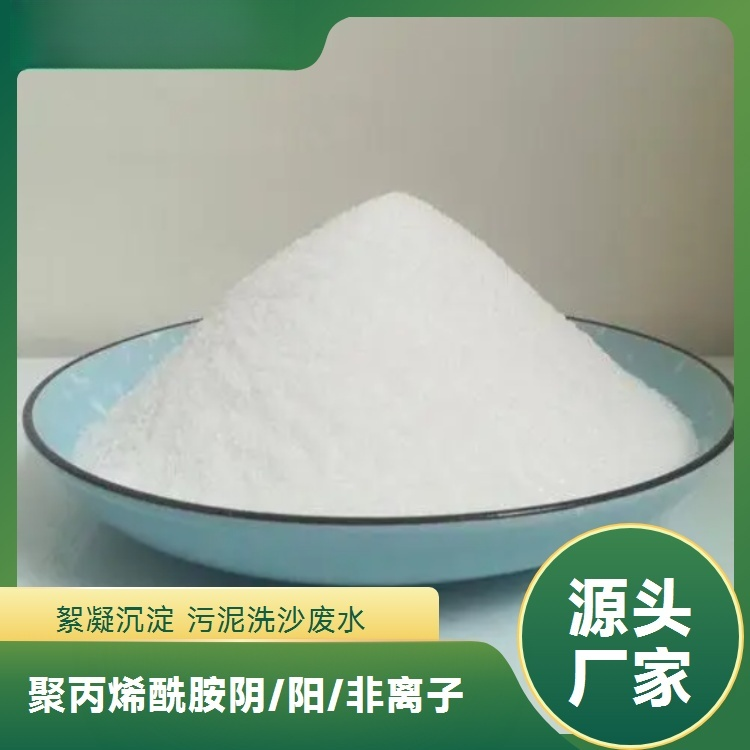
Understanding PAM and Its Industrial Applications
Polyacrylamide (PAM) is a water-soluble polymer with a wide range of industrial applications. Its primary functions include flocculation, sedimentation, filtration, and thickening. In water treatment, PAM helps remove suspended particles by causing them to clump together (flocculation), making them easier to separate from water. This property makes PAM indispensable in municipal wastewater treatment, industrial effluent processing, and potable water purification.
Beyond water treatment, PAM finds applications in:
- Paper manufacturing: As a retention and drainage aid
- Oil recovery: As a mobility control agent in enhanced oil recovery
- Mining: For sludge dewatering and tailings management
- Textiles: As a sizing agent and fabric finishing agent
- Agriculture: As a soil conditioner and water retention agent
The versatility of PAM stems from its molecular structure, which can be tailored through copolymerization with different monomers to create anionic, cationic, or nonionic variants. Each type serves specific industrial requirements, making product selection critical for optimal performance.
Key Factors in PAM Supplier Selection
Choosing the right PAM supplier involves evaluating several critical factors that impact both product quality and overall business success. Here are the most important considerations:
1. Product Quality and Certification
The foundation of any reliable PAM supplier is consistent product quality. Look for manufacturers that adhere to international quality standards such as ISO 9001:2015 for quality management systems. Additionally, suppliers should provide detailed product specifications including molecular weight, charge density, and residual monomer content.
For applications involving drinking water treatment, ensure the PAM complies with relevant drinking water standards such as NSF/ANSI 60 or equivalent international certifications. This demonstrates the product’s safety for human consumption.
2. Technical Expertise and Support
A professional PAM supplier should offer more than just products – they should provide technical expertise to help you select the right PAM type and dosage for your specific application. This includes:
- Jar testing services to determine optimal flocculant selection
- On-site technical support during commissioning and operation
- Application-specific product recommendations
- Troubleshooting assistance for process optimization
The ability to provide comprehensive technical support distinguishes professional manufacturers from mere traders. This expertise becomes particularly valuable when dealing with complex industrial processes or challenging water qualities.
3. Production Capacity and Supply Reliability
For industrial-scale operations, consistent supply is as important as product quality. Evaluate the supplier’s production capacity to ensure they can meet your volume requirements without compromising quality. Consider factors such as:
- Annual production capacity (in metric tons)
- Number of production lines and backup capacity
- Inventory management and lead times
- Ability to handle large, recurring orders
A reliable supplier should have contingency plans for raw material shortages or production interruptions to maintain uninterrupted supply to their customers.
4. Research and Development Capabilities
The PAM industry continues to evolve with new formulations and applications. A forward-thinking supplier invests in R&D to develop innovative products that address emerging market needs. Look for manufacturers with:
- Dedicated R&D facilities and personnel
- Patented technologies or unique formulations
- Collaborations with research institutions or universities
- A track record of introducing new products to market
R&D capabilities ensure the supplier can provide cutting-edge solutions as your business requirements evolve over time.
5. Environmental and Safety Compliance
As environmental regulations become stricter worldwide, it’s crucial to work with suppliers that prioritize sustainability. Evaluate their:
- Waste management practices during production
- Energy efficiency measures
- Product safety data sheets (SDS) and handling instructions
- Compliance with REACH, TSCA, or other relevant chemical regulations
A supplier committed to environmental responsibility not only helps you meet regulatory requirements but also supports your corporate sustainability goals.
Comparing PAM Suppliers: What to Look For
When evaluating different PAM suppliers, create a comparison matrix that includes both quantitative and qualitative factors. Here’s a suggested framework:
| Evaluation Criteria | Supplier A | Supplier B | Supplier C |
|---|---|---|---|
| ISO Certification | ISO 9001, 14001 | ISO 9001 | ISO 9001, 45001 |
| Drinking Water Approval | NSF 60, ANSI 60 | None | EU Drinking Water Directive |
| Annual Capacity (MT) | 50,000 | 30,000 | 40,000 |
| R&D Personnel | 15 specialists | 5 engineers | 10 researchers |
| Technical Support | 24/7 availability, on-site service | Business hours only | Regional support teams |
This structured approach helps you make an informed comparison beyond just price, considering all factors that impact long-term partnership value.
Case Study: Selecting PAM for Municipal Wastewater Treatment
Let’s examine a real-world scenario where a municipal water treatment plant in Southeast Asia needed to select a PAM supplier for their sludge dewatering process. The plant processed 100,000 m³/day of wastewater and required a reliable supplier for cationic PAM with medium charge density.
After evaluating several suppliers, they shortlisted three candidates:
- Supplier A: A well-established manufacturer with ISO certifications and NSF approval, offering comprehensive technical support but at a 15% premium price.
- Supplier B: A local producer with competitive pricing but limited technical resources and no international certifications.
- Supplier C: A mid-sized exporter with good quality products and reasonable pricing, but with limited production capacity.
The plant conducted jar tests with samples from all three suppliers and found similar performance in sludge dewatering efficiency. However, during pilot testing, Supplier A’s technical team identified an opportunity to optimize the dosing system, reducing chemical consumption by 12% while maintaining performance.
Despite the higher initial cost, the plant selected Supplier A based on:
- Superior technical support leading to operational cost savings
- Reliable supply chain with 98% on-time delivery record
- Comprehensive product documentation simplifying regulatory compliance
- Long-term partnership potential for future plant expansions
This case demonstrates how evaluating suppliers beyond just product performance can lead to significant long-term benefits.
FAQ
What certifications should a professional PAM supplier have?
A professional PAM supplier should have ISO 9001 certification for quality management systems as a minimum requirement. For applications involving drinking water treatment, they should also have certifications like NSF/ANSI 60 or equivalent international drinking water approvals. Additional relevant certifications may include ISO 14001 for environmental management and ISO 45001 for occupational health and safety.
How can I verify the quality of PAM from different suppliers?
To verify PAM quality, request detailed product specifications including molecular weight range, charge density (for ionic PAM), and residual acrylamide monomer content. Professional suppliers should provide certificates of analysis (CoA) for each batch. Conduct jar tests with samples from different suppliers using your actual wastewater or process fluid to compare performance objectively. For critical applications, consider third-party laboratory testing for key parameters.
What technical support should a reliable PAM supplier provide?
A reliable PAM supplier should offer comprehensive technical support including: jar testing services to determine optimal product selection and dosage, on-site commissioning assistance, operational training for your staff, troubleshooting support for process optimization, and regular performance reviews. They should also provide detailed product documentation including safety data sheets (SDS), handling instructions, and storage guidelines.
How does production capacity affect supplier selection?
Production capacity becomes critical when you have large-volume or consistent supply requirements. Evaluate whether the supplier’s production capacity matches your needs, considering factors like number of production lines, backup capacity, and inventory management practices. A supplier with insufficient capacity may struggle to meet your demands during peak periods or face quality issues when pushing production beyond capacity limits.
What environmental considerations should I evaluate in PAM suppliers?
When evaluating PAM suppliers’ environmental practices, consider their waste management during production, energy efficiency measures, and product safety. Look for suppliers that minimize acrylamide monomer residues in their products, as these can be environmental contaminants. Also inquire about their packaging materials and whether they offer recycling programs. Suppliers compliant with REACH, TSCA, or other relevant chemical regulations demonstrate commitment to environmental responsibility.
Summary
Selecting the right PAM supplier requires a comprehensive evaluation that goes beyond just comparing prices. Professional manufacturers like Murong (Shanghai) International Trading Co., Ltd. distinguish themselves through consistent product quality, technical expertise, reliable supply chains, and commitment to innovation. By considering factors such as certifications, production capacity, technical support, and environmental practices, you can identify a supplier that not only meets your immediate needs but also supports your long-term business objectives.
Remember that the cheapest option isn’t always the most cost-effective in the long run. Investing in a high-quality PAM from a reputable supplier can lead to significant operational savings through optimized dosing, reduced downtime, and consistent performance. For global buyers, partnering with a supplier that understands international standards and can provide documentation for regulatory compliance is equally important.
As industrial processes become more complex and environmental regulations stricter, the role of professional PAM suppliers will continue to grow. By applying the selection criteria outlined in this guide, you can establish partnerships that drive efficiency, sustainability, and business success in your operations.