
When it comes to industrial water treatment and various chemical processing applications, polyacrylamide (PAM) stands as one of the most versatile and effective solutions available. Murong (Shanghai) International Trading Co., Ltd., a leading supplier based in Shanghai, China, has been providing high-quality PAM products to global clients for years. This comprehensive guide will walk you through everything you need to know about PAM – from its fundamental properties to selecting the right product for your specific needs, and how to contact reliable suppliers like Murong International.
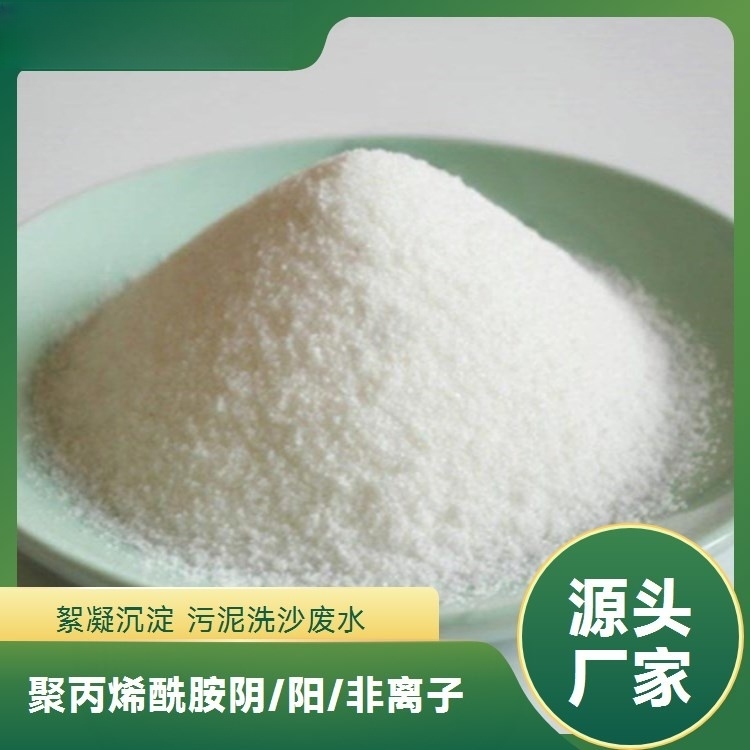
Understanding PAM: The Basics of Polyacrylamide
Polyacrylamide (PAM) is a synthetic polymer formed through the polymerization of acrylamide monomers. This water-soluble polymer comes in various forms – including anionic, cationic, and nonionic – each with distinct properties that make them suitable for different applications. The molecular weight of PAM can range from thousands to millions, which significantly impacts its performance characteristics.
At Murong International, we offer a comprehensive range of PAM products designed to meet diverse industrial requirements. Our PAM products are manufactured using advanced technology and undergo rigorous quality control to ensure consistent performance and reliability. As a professional supplier with deep industry experience, we understand the critical role PAM plays in water treatment, paper manufacturing, oil recovery, and other industrial processes.
The versatility of PAM stems from its ability to act as a flocculant, coagulant, and thickening agent. In water treatment applications, PAM helps aggregate suspended particles, making them easier to remove through sedimentation or filtration. This property makes it invaluable in municipal wastewater treatment, industrial effluent processing, and even drinking water purification.
Industrial Applications of PAM Products
The applications of PAM span across multiple industries, each leveraging its unique properties for specific processes. In the water treatment sector, PAM is widely used for:
- Municipal wastewater treatment: Helps in the removal of suspended solids and organic matter
- Industrial wastewater processing: Effective in treating effluents from textile, food processing, and chemical industries
- Sludge dewatering: Improves the efficiency of sludge thickening and dewatering processes
- Drinking water purification: Assists in the removal of turbidity and color from raw water sources
Beyond water treatment, PAM plays crucial roles in other industrial sectors. In the paper industry, it serves as a retention aid and dry strength agent, improving paper quality and production efficiency. The oil and gas sector utilizes PAM for enhanced oil recovery (EOR) operations, where it helps mobilize trapped hydrocarbons. In the mining industry, PAM aids in solid-liquid separation during ore processing and tailings management.
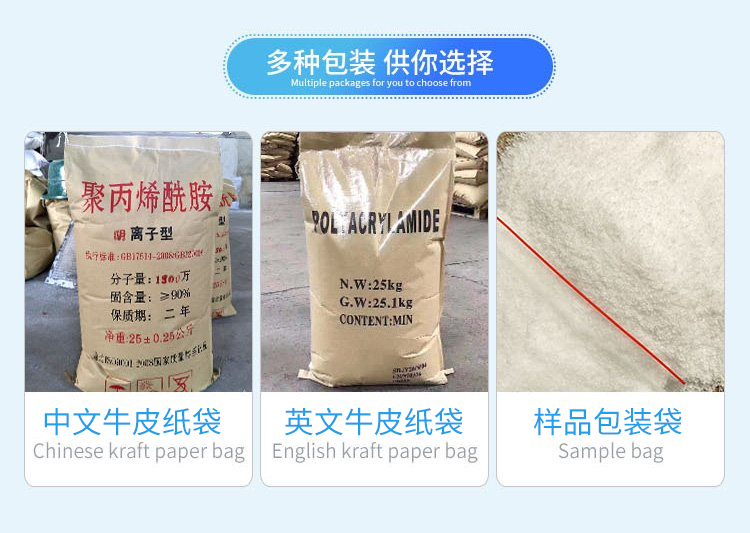
Murong International’s PAM products have been successfully implemented in various industrial projects worldwide. Our clients in Southeast Asia, the Middle East, and Europe have reported significant improvements in process efficiency and product quality after incorporating our PAM solutions. One paper mill in Indonesia, for example, achieved a 15% increase in production speed while reducing raw material consumption by 10% after switching to our specialized PAM formulation.
Selecting the Right PAM Product for Your Application
Choosing the appropriate PAM product is crucial for achieving optimal results in your specific application. The selection process involves considering several key factors:
First, determine the ionic nature required for your application. Anionic PAM works best for negatively charged particles, while cationic PAM is effective for positively charged colloids. Nonionic PAM is suitable for neutral or slightly charged systems. Murong International offers a complete range of ionic types to match diverse industrial needs.
Molecular weight is another critical parameter. Higher molecular weight PAM typically provides better flocculation performance but may be more difficult to dissolve. Lower molecular weight products dissolve faster but may require higher dosages. Our technical team can help you analyze your process requirements to recommend the most suitable molecular weight range.
The degree of hydrolysis also impacts PAM performance, particularly in alkaline conditions. For applications involving high pH levels, partially hydrolyzed PAM products offer better stability and effectiveness. Murong International provides PAM with varying hydrolysis degrees to accommodate different operational environments.
| PAM Type | Ionic Nature | Typical Applications |
|---|---|---|
| Anionic PAM | Negatively charged | Municipal wastewater, textile effluent, mining tailings |
| Cationic PAM | Positively charged | Paper mill effluent, food processing wastewater, sludge dewatering |
| Nonionic PAM | Neutral charge | Neutral pH systems, soil stabilization, EOR applications |
At Murong International, we understand that every industrial process is unique. That’s why we offer customized PAM solutions tailored to your specific requirements. Our team of chemical engineers and application specialists work closely with clients to develop formulations that address their particular challenges, whether it’s improving flocculation efficiency, reducing chemical consumption, or enhancing product quality.
Quality Assurance and Reliable Supply from Murong International
When sourcing PAM products, quality consistency and reliable supply are paramount. Murong International has established itself as a trusted supplier by implementing stringent quality control measures throughout our production process. From raw material inspection to final product testing, every batch of PAM undergoes comprehensive analysis to ensure it meets our high standards.
Our manufacturing facilities in China are equipped with state-of-the-art polymerization reactors and drying systems, allowing us to produce PAM with precise molecular weight distributions and consistent ionic characteristics. We maintain strict control over production parameters to minimize batch-to-batch variations, providing our clients with reliable performance in their applications.
As an international trader, we understand the importance of timely delivery and documentation compliance. Murong International has developed efficient logistics networks that enable us to ship PAM products to clients worldwide within agreed-upon lead times. We handle all necessary export documentation, including safety data sheets, certificates of analysis, and customs clearance paperwork, to ensure smooth international transactions.
Our commitment to customer satisfaction extends beyond product supply. We offer comprehensive technical support to help clients optimize their PAM usage. This includes on-site application testing, dosage optimization studies, and process troubleshooting assistance. Our goal is to build long-term partnerships with our clients by providing not just products, but complete solutions that enhance their operational efficiency.
FAQ
What is the main difference between anionic and cationic PAM?
The primary difference lies in their ionic charge. Anionic PAM carries a negative charge, making it effective for flocculating positively charged particles. Cationic PAM has a positive charge and works best with negatively charged colloids. The choice depends on the nature of suspended solids in your wastewater or process stream.
How do I determine the right PAM dosage for my application?
PAM dosage depends on several factors including the type and concentration of suspended solids, water chemistry, and process conditions. We recommend conducting jar tests using different PAM concentrations to determine the optimal dosage. Our technical team can assist with these tests and provide dosage recommendations based on your specific application.
What is the shelf life of PAM products?
When stored properly in a cool, dry place away from direct sunlight, PAM products typically have a shelf life of 2 years from the date of manufacture. Proper storage conditions are crucial to maintain product effectiveness over time.
Can PAM be used in drinking water treatment?
Yes, certain grades of PAM are approved for drinking water treatment applications. These products meet strict safety and purity standards. Always ensure you’re using a PAM product specifically labeled for potable water applications and follow all recommended dosage guidelines.
How does PAM compare to other flocculants like aluminum sulfate?
PAM offers several advantages over traditional inorganic flocculants. It typically requires lower dosages, produces less sludge volume, and works effectively across a wider pH range. PAM also provides better floc strength, resulting in improved settling and filtration performance. However, the optimal choice depends on your specific water quality and treatment objectives.
Summary
Choosing the right PAM supplier is crucial for ensuring consistent product quality and reliable supply for your industrial applications. Murong (Shanghai) International Trading Co., Ltd. stands out as a professional supplier with deep industry expertise, comprehensive product range, and commitment to customer satisfaction. Our PAM products are manufactured to the highest standards and tailored to meet diverse industrial requirements across water treatment, paper manufacturing, oil recovery, and mining sectors.
With our technical support and customized solutions, clients can optimize their PAM usage to achieve better process efficiency, reduced chemical consumption, and improved product quality. Whether you’re looking for standard PAM products or specialized formulations, Murong International has the capabilities to meet your needs.
Contact us today to discuss your PAM requirements and discover how our professional team can support your industrial applications with high-quality products and expert technical assistance.