
Selecting the right industrial citric acid is crucial for businesses involved in water treatment, food processing, pharmaceuticals, and various industrial applications. As a key chemical compound with versatile uses, citric acid’s quality directly impacts process efficiency and product quality. This comprehensive guide will walk you through everything you need to know about selecting industrial citric acid, from understanding its properties to evaluating suppliers and ensuring compliance with international standards.
Understanding Industrial Citric Acid: Properties and Applications
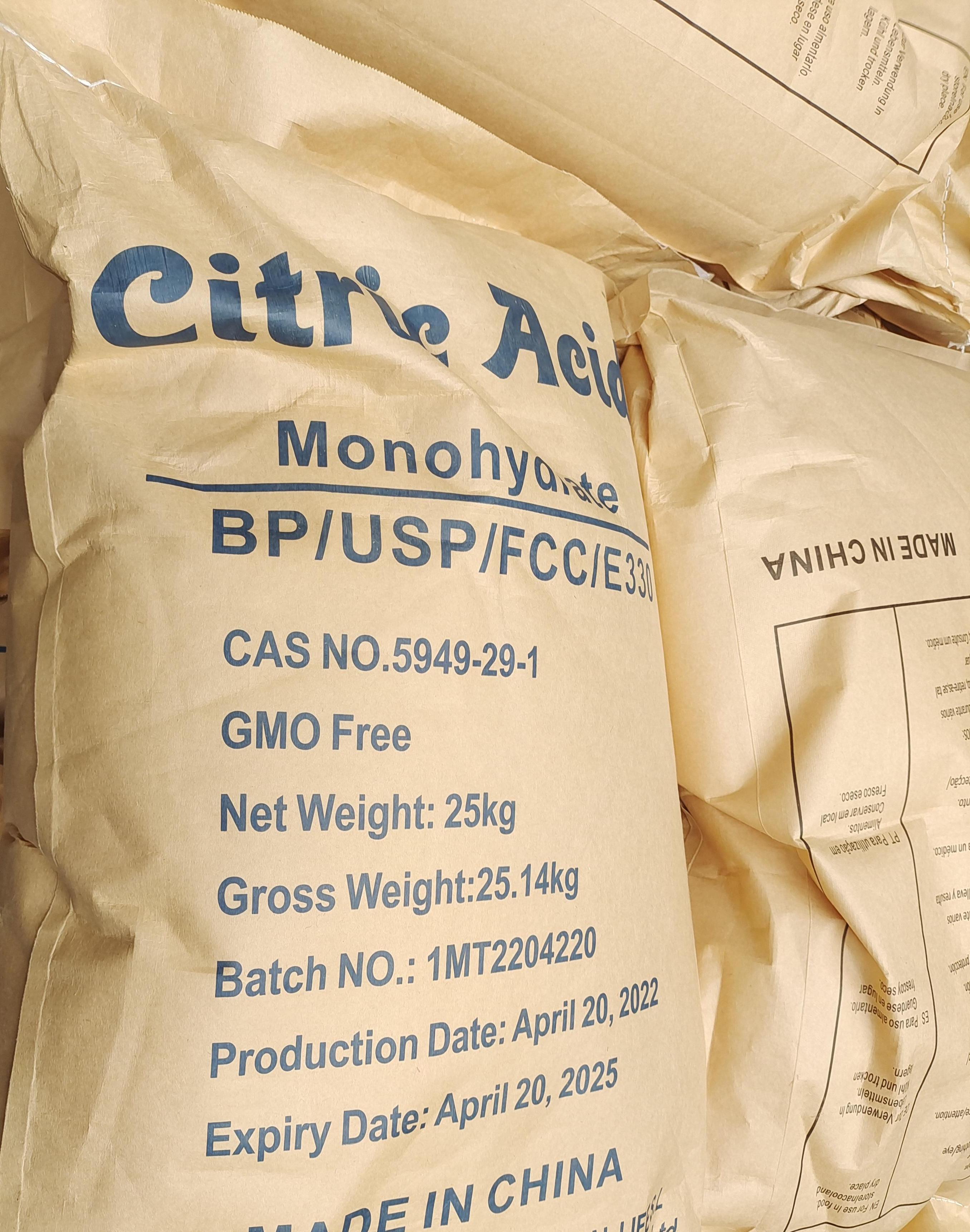
Industrial citric acid, primarily available as monohydrate citric acid, is a weak organic acid naturally found in citrus fruits. It’s widely used in industrial applications due to its excellent chelating properties, buffering capacity, and mild acidic nature. The monohydrate form (C6H8O7·H2O) contains one molecule of water per citric acid molecule, making it more stable and easier to handle than anhydrous citric acid.
Key applications of industrial citric acid include:
- Water treatment: As a natural chelating agent, it effectively binds with metal ions like calcium, magnesium, and iron, preventing scale formation in water systems
- Cleaning agents: Used in industrial cleaners for its ability to remove mineral deposits and rust
- Food industry: As an acidulant, preservative, and flavor enhancer in beverages, confectionery, and processed foods
- Pharmaceuticals: In tablet coating, effervescent formulations, and as a stabilizer
- Cosmetics: As a pH adjuster in personal care products
- Construction: In concrete admixtures to delay setting time
The choice between food-grade and industrial-grade citric acid depends on your specific application. While food-grade must meet stricter purity standards, industrial-grade is typically more cost-effective for non-food applications like water treatment.
Key Factors to Consider When Selecting Industrial Citric Acid
Choosing the right industrial citric acid involves evaluating several critical factors that impact both product performance and your bottom line:
1. Purity and Quality Specifications
The purity level of citric acid directly affects its performance. Look for products with:
- Minimum 99.5% citric acid content for industrial applications
- Low levels of heavy metals (typically <10 ppm)
- Low sulfate content (<0.03% max)
- Low iron content (<10 ppm)
- Low water-insoluble matter (<0.1%)
Reputable monohydrate citric acid manufacturers will provide detailed specifications and certificates of analysis (COA) for each batch.
2. Packaging Options
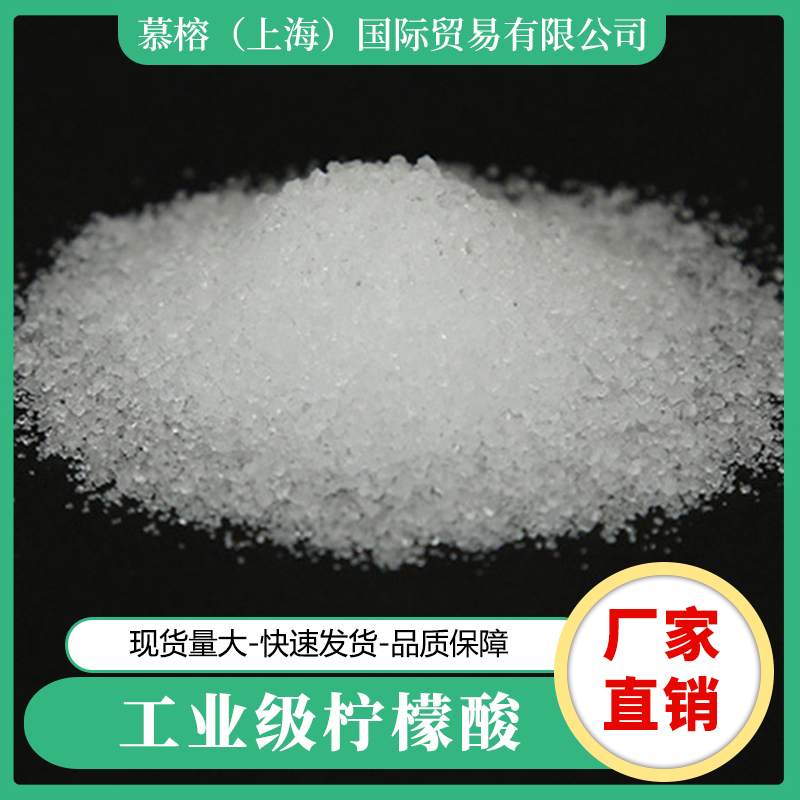
Industrial citric acid is typically packaged in:
- 25kg woven bags with PE liners (most common)
- 500kg or 1000kg bulk bags for large-scale users
- Custom packaging options for specialized applications
Consider your storage facilities and usage patterns when selecting packaging. Proper packaging prevents moisture absorption and caking, which can affect product quality over time.
3. Supplier Reputation and Reliability
Partnering with established monohydrate citric acid factories ensures consistent quality and reliable supply. Look for suppliers with:
- ISO 9001 (Quality Management) certification
- ISO 14001 (Environmental Management) certification
- HALAL or Kosher certification if required for your market
- Proven track record of on-time deliveries
- Flexible order quantities to accommodate your needs
4. Price and Value Proposition
While price is important, consider the total cost of ownership:
- Compare prices per metric ton, not just per bag
- Factor in shipping costs for international purchases
- Evaluate the supplier’s minimum order quantities
- Consider potential discounts for long-term contracts
- Assess the product’s shelf life to minimize waste
Remember that the cheapest option may not always offer the best value if it leads to quality issues or supply disruptions.
Quality Standards and Certifications for Industrial Citric Acid
When sourcing industrial citric acid, ensure the product meets relevant international standards:
| Standard | Description | Relevance |
|---|---|---|
| FCC (Food Chemicals Codex) | Establishes quality standards for food-grade chemicals | Important if product may contact food |
| BP (British Pharmacopoeia) | Pharmaceutical-grade standards | For pharmaceutical applications |
| USP (United States Pharmacopeia) | American pharmaceutical standards | For US market pharmaceutical use |
| GB (Chinese National Standard) | Chinese industrial standards | For products manufactured in China |
| REACH | EU regulation on chemical safety | For EU market compliance |
For most industrial water treatment applications, GB standards or equivalent international standards are sufficient. However, if your product may come into contact with food or pharmaceuticals, ensure compliance with the appropriate food-grade or pharmaceutical-grade standards.
Common Challenges and Solutions in Citric Acid Selection
Businesses often face several challenges when selecting industrial citric acid:
Challenge 1: Caking and Flowability Issues
Solution: Choose suppliers who use anti-caking agents in their formulation. Proper storage in cool, dry conditions with adequate ventilation also helps prevent caking. Consider purchasing smaller quantities more frequently if you have limited storage capacity.
Challenge 2: Quality Inconsistency Between Batches
Solution: Work with reputable monohydrate citric acid manufacturers who implement strict quality control processes. Request certificates of analysis (COA) for each batch and consider conducting your own quality tests on initial shipments.
Challenge 3: Supply Chain Disruptions
Solution: Establish relationships with multiple suppliers in different geographic locations. Consider keeping a safety stock of critical materials, especially if your production process is sensitive to raw material availability.
Challenge 4: Regulatory Compliance in Different Markets
Solution: Choose suppliers familiar with international regulations who can provide documentation for customs clearance. For products exported to multiple countries, ensure compliance with the strictest applicable standards.
FAQ
What is the difference between monohydrate and anhydrous citric acid?
Monohydrate citric acid (C6H8O7·H2O) contains one molecule of water per citric acid molecule, making it more stable and easier to handle. Anhydrous citric acid (C6H8O7) has no water molecules and is more concentrated but can absorb moisture from the air. For most industrial applications, monohydrate is preferred due to its stability and consistent quality.
How can I verify the quality of industrial citric acid I purchase?
Request a certificate of analysis (COA) from your supplier for each batch, which should include purity percentage, heavy metal content, and other relevant specifications. You can also conduct simple tests: good quality citric acid should dissolve completely in warm water without residue and should have a slightly tart taste without bitterness.
What is the typical shelf life of industrial citric acid?
When stored properly in a cool, dry place in sealed packaging, industrial citric acid can maintain its quality for 2-3 years. Exposure to moisture or high temperatures can reduce its shelf life by causing caking or degradation.
Can industrial citric acid be customized for specific applications?
Yes, reputable manufacturers like Murong International can adjust specifications such as particle size distribution, anti-caking agent content, and packaging to meet specific customer requirements. Discuss your application needs with your supplier to explore customization options.
What are the environmental considerations when using industrial citric acid?
Citric acid is biodegradable and considered environmentally friendly compared to many synthetic chemicals. However, large quantities can lower pH levels in water systems, so proper dosage is important. Choose suppliers who follow sustainable manufacturing practices and offer eco-friendly packaging options.
Summary
Selecting the right industrial citric acid requires careful consideration of purity, quality standards, supplier reliability, and cost factors. By understanding the properties and applications of monohydrate citric acid, evaluating suppliers based on their certifications and production capabilities, and considering your specific application requirements, you can make an informed purchasing decision that ensures consistent quality and optimal performance in your industrial processes.
Remember to establish clear quality specifications with your supplier, request proper documentation for each shipment, and maintain proper storage conditions to maximize the shelf life and effectiveness of your industrial citric acid. Partnering with experienced manufacturers like Murong International, based in Shanghai with extensive expertise in water treatment materials, can provide you with reliable supply and technical support for your citric acid needs.