
When it comes to industrial water treatment solutions, fruit shell activated carbon stands out as a premium choice for its excellent adsorption properties and environmental benefits. For businesses seeking reliable and cost-effective activated carbon solutions, understanding the pricing dynamics and selecting the right supplier are crucial decisions. This comprehensive guide explores the factors influencing fruit shell activated carbon prices per ton, provides cost comparison insights, and offers expert advice on selecting the best supplier for your industrial needs.

Understanding Fruit Shell Activated Carbon Pricing
The cost of fruit shell activated carbon per ton varies significantly based on several key factors. First, the raw material quality plays a major role – premium fruit shells from specific varieties yield better activated carbon with higher adsorption capacity. Second, the activation process technology determines the final product’s effectiveness and purity. Advanced activation methods like steam activation typically produce superior quality carbon but at higher production costs.
Market demand and supply dynamics also influence pricing. During periods of high industrial activity or environmental regulation changes, prices may fluctuate. Additionally, transportation costs from manufacturing facilities to your location affect the final delivered price. For international buyers, currency exchange rates and import duties must be factored into the total cost calculation.
When comparing prices, it’s essential to evaluate not just the upfront cost per ton but also the cost-effectiveness based on performance metrics. Higher-priced activated carbon may offer better adsorption rates, longer service life, and lower replacement frequency, ultimately providing better value over time.
Key Factors Affecting Activated Carbon Costs
Several technical parameters directly impact the pricing of fruit shell activated carbon:
- Iodine Number: This measures the adsorption capacity, with higher numbers indicating better performance. Premium grades with iodine numbers above 1000 mg/g command higher prices.
- Particle Size Distribution: Finer particles offer larger surface area but may require special handling. Uniform particle sizes are typically more expensive.
- Moisture Content: Lower moisture levels (below 5%) indicate better quality and storage stability, affecting pricing.
- Ash Content: Minimal ash content (typically below 3%) suggests purer activated carbon, which is more valuable.
- pH Value: Neutral pH (6-8) is preferred for most water treatment applications and affects pricing.
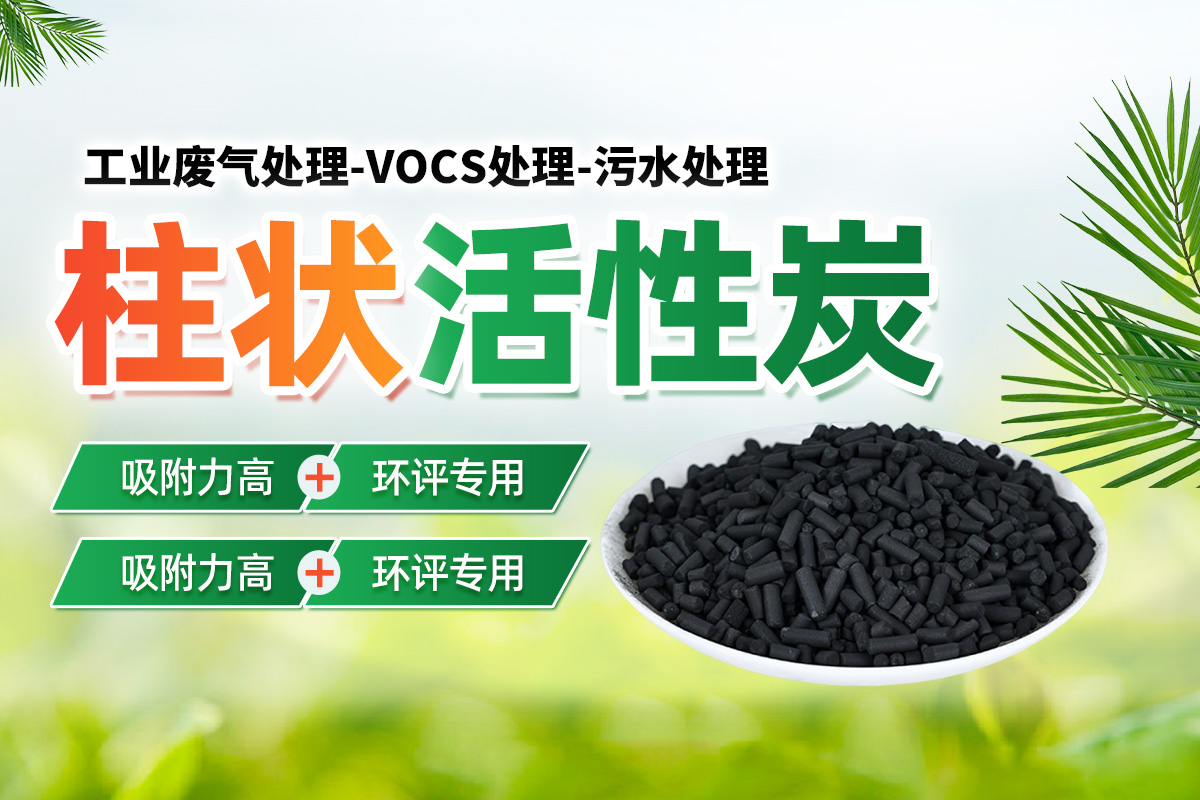
Cost Comparison: Fruit Shell vs. Other Activated Carbons
When evaluating activated carbon options, it’s helpful to compare fruit shell activated carbon with other common types:
| Type | Price Range (USD/ton) | Key Advantages |
|---|---|---|
| Fruit Shell | 1,200-2,500 | High microporosity, excellent for organic compound removal, renewable source |
| Coconut Shell | 1,500-3,000 | Very hard, high surface area, excellent for potable water treatment |
| Coal-Based | 800-1,800 | Lower cost, good for general decolorization, varies in quality |
| Wood-Based | 1,000-2,200 | Good for deodorization, contains some natural minerals |
While fruit shell activated carbon may not always be the cheapest option, it offers an excellent balance of performance, environmental sustainability, and cost-effectiveness for many industrial applications. Its renewable source and excellent adsorption properties make it particularly valuable for businesses committed to sustainable operations.
Selecting a High-Quality Fruit Shell Activated Carbon Supplier
Choosing the right supplier is as important as selecting the product itself. Here are key factors to consider when evaluating potential suppliers:
1. Certifications and Quality Standards: Look for suppliers with ISO certifications and compliance with international standards like ASTM or AWWA. Reputable suppliers will provide detailed product specifications and test reports.
2. Production Capacity: Ensure the supplier can meet your volume requirements consistently, especially if you have large-scale or ongoing needs. A supplier with multiple production facilities may offer better supply reliability.
3. Technical Expertise: The best suppliers offer more than just products – they provide technical support and application guidance. Look for companies with experienced engineers who can help optimize your activated carbon usage.
4. Supply Chain Transparency: A reliable supplier should be able to trace the origin of their raw materials and provide information about their production processes. This transparency ensures consistent quality and ethical sourcing.
5. Customer Reviews and Reputation: Research the supplier’s track record through industry references, online reviews, and case studies. Long-standing relationships with reputable clients indicate reliability and quality.
FAQ
What is the average price range for fruit shell activated carbon per ton?
The price typically ranges from $1,200 to $2,500 per ton, depending on quality specifications, particle size, and order volume. Premium grades with higher iodine numbers and lower ash content command higher prices.
How does fruit shell activated carbon compare to coconut shell activated carbon in cost?
Fruit shell activated carbon is generally slightly less expensive than coconut shell activated carbon, with average prices about 10-20% lower. However, coconut shell carbon often has higher surface area and is preferred for potable water applications.
What factors contribute most to price variations in activated carbon?
The primary factors are raw material quality, activation process technology, particle size distribution, and purity levels (low ash content). Market demand fluctuations and transportation costs also affect pricing.
How can I verify the quality of fruit shell activated carbon before purchasing?
Request detailed product specifications including iodine number, ash content, moisture content, and particle size analysis. Reputable suppliers will provide third-party test reports and may offer sample testing.
Does bulk purchasing significantly reduce the cost per ton of activated carbon?
Yes, most suppliers offer volume discounts. Purchasing in full container loads (FCL) typically provides the best pricing, with discounts ranging from 5-15% depending on the supplier and order size.
What is the typical shelf life of fruit shell activated carbon?
When stored properly in a cool, dry place in sealed containers, fruit shell activated carbon maintains its adsorption capacity for 3-5 years. Proper storage prevents moisture absorption which can reduce effectiveness.
How does transportation cost affect the total price of imported activated carbon?
For international buyers, shipping costs can add 10-30% to the base price, depending on distance and shipping method. Containerized ocean freight offers the most economical transportation for large orders.
Are there any environmental certifications I should look for in activated carbon suppliers?
Yes, look for suppliers with ISO 14001 environmental management certification and those who source their raw materials from sustainably managed plantations. Some suppliers may also have carbon footprint reduction certifications.
Summary
Selecting the right fruit shell activated carbon at the optimal price requires careful evaluation of both product quality and supplier reliability. While prices per ton range from $1,200 to $2,500, the most cost-effective solution considers not just the initial cost but also the product’s performance and longevity in your specific application. Partnering with a reputable supplier like Murong (Shanghai) International Trading Co., Ltd. ensures access to high-quality activated carbon, technical expertise, and reliable supply chain management. By understanding the key factors affecting pricing and quality, businesses can make informed decisions that deliver both operational excellence and cost savings in their water treatment and industrial processes.