
When it comes to industrial water treatment and filtration applications, coconut shell activated carbon stands out as one of the most effective and widely used materials. However, for global buyers and procurement managers, understanding the pricing dynamics and finding a reliable supplier can be challenging. This comprehensive guide provides detailed insights into coconut shell activated carbon price per ton, key factors influencing costs, quality comparison, and how to select the best supplier for your industrial needs.

Understanding Coconut Shell Activated Carbon Pricing
The price of coconut shell activated carbon per ton varies significantly based on several factors. As of 2024, market prices typically range between $1,200 to $2,500 per metric ton, depending on quality specifications and order quantity. This pricing fluctuation reflects the complex interplay between raw material costs, production processes, quality standards, and market demand.
Coconut shell activated carbon derives its value from its superior adsorption properties compared to other types of activated carbon. The porous structure created during the activation process provides an extensive surface area (typically 900-1,100 m²/g) that effectively removes impurities from water and air. This high performance justifies its premium pricing in industrial applications.
Key Factors Influencing Coconut Shell Activated Carbon Cost
Several critical factors determine the final price of coconut shell activated carbon per ton:
1. Raw Material Quality
The quality of coconut shells used as raw material significantly impacts the final product’s performance and cost. Premium-grade activated carbon requires mature, dry coconut shells with consistent thickness. Suppliers who source their raw materials from sustainable plantations or have direct relationships with coconut farmers can offer more competitive pricing while maintaining quality.
2. Activation Process
The activation method (either physical or chemical) affects both production costs and product quality. Physical activation using steam typically produces higher-quality carbon with better pore structure but involves higher energy costs. Chemical activation using phosphoric acid or zinc chloride offers faster processing but may require additional purification steps, influencing the final price.
3. Product Specifications
Key specifications that affect pricing include:
- Iodine number (typically 900-1,100 mg/g for premium grades)
- Particle size distribution (8×30 mesh, 12×40 mesh, etc.)
- Ash content (less than 3% for high-purity grades)
- Moisture content (typically below 5%)
- Hardness (above 95% for industrial applications)
Higher specifications in these areas generally command premium pricing but offer better performance in demanding applications.
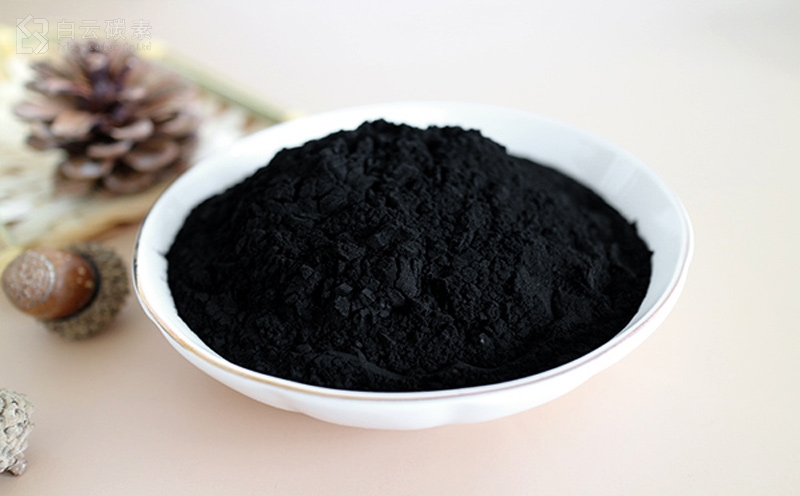
Quality Comparison: Coconut Shell vs. Other Activated Carbons
When evaluating coconut shell activated carbon price per ton, it’s essential to compare it with other types available in the market:
| Type | Price Range (per ton) | Key Advantages | Typical Applications |
|---|---|---|---|
| Coconut Shell | $1,200-$2,500 | High microporosity, excellent for VOC removal | Potable water treatment, food-grade applications |
| Coal-Based | $800-$1,800 | Good mesoporosity, cost-effective | Industrial wastewater treatment |
| Wood-Based | $1,000-$2,200 | High macroporosity, good for decolorization | Sugar refining, pharmaceuticals |
While coconut shell activated carbon typically commands a premium price, its superior performance in removing organic contaminants, chlorine, and odors from water makes it the preferred choice for high-purity applications. The longer service life and reduced replacement frequency often justify the higher initial investment.
How to Choose a Reliable Coconut Shell Activated Carbon Supplier
Selecting the right supplier is crucial when purchasing coconut shell activated carbon at competitive prices without compromising quality. Consider these essential factors:
1. Certification and Quality Standards
Reputable suppliers should provide certification documents including:
- ISO 9001: Quality Management System
- NSF/ANSI 61 Certification for drinking water applications
- FDA compliance for food-grade applications
- REACH compliance for European markets
These certifications ensure the product meets international quality and safety standards.
2. Production Capacity and Consistency
For large-scale industrial projects, choose suppliers with annual production capacities exceeding 10,000 metric tons. This ensures consistent quality across batches and reliable supply even during peak demand periods. Inquire about their quality control processes, including batch testing protocols and product traceability systems.
3. Technical Support and Customization
A reliable supplier should offer technical support to help you select the right grade based on your specific application requirements. They should be able to provide customized particle size distributions or surface area specifications when needed. This expertise can help optimize your treatment process and reduce overall operational costs.
2024 Market Trends Affecting Coconut Shell Activated Carbon Pricing
Several global trends are influencing coconut shell activated carbon prices in 2024:
- Raw material supply: Fluctuations in coconut production due to climate factors affect raw material availability and costs.
- Environmental regulations: Stricter emission standards in major producing countries increase production costs but improve product quality.
- Technological advancements: New activation processes and recycling technologies may reduce costs in the medium term.
- Alternative materials: Development of synthetic adsorbents creates competition but also drives innovation in activated carbon production.
Staying informed about these trends helps buyers anticipate price changes and negotiate better terms with suppliers.
FAQ
What is the typical shelf life of coconut shell activated carbon?
When stored properly in sealed containers away from moisture and direct sunlight, coconut shell activated carbon maintains its adsorption capacity for 3-5 years. Proper storage conditions are crucial to prevent premature activation loss.
How does particle size affect activated carbon performance?
Smaller particle sizes (higher mesh numbers) provide greater surface area and faster adsorption rates but may cause higher pressure drops in filtration systems. Larger particles offer better flow characteristics but slightly reduced adsorption efficiency. The optimal size depends on your specific application requirements.
Can coconut shell activated carbon be regenerated?
Yes, thermal regeneration can restore up to 90-95% of the original adsorption capacity. However, regeneration is typically only cost-effective for large-scale industrial applications due to the energy-intensive process. Most food-grade applications require virgin carbon for safety reasons.
What is the difference between powdered and granular activated carbon?
Powdered activated carbon (PAC) has particle sizes below 0.18mm (100 mesh) and is used for rapid adsorption in batch processes or slurry applications. Granular activated carbon (GAC) has larger particle sizes (0.2-5mm) and is used in fixed-bed filters for continuous treatment. GAC is more common in industrial water treatment systems.
How can I verify the quality of activated carbon before purchase?
Request a certificate of analysis (CoA) from the supplier that includes key parameters like iodine number, ash content, moisture content, and particle size distribution. For critical applications, consider sending samples to an independent laboratory for verification testing against your specific requirements.
Summary
Understanding coconut shell activated carbon price per ton requires consideration of multiple factors including raw material quality, production processes, product specifications, and market trends. While prices typically range between $1,200 to $2,500 per metric ton in 2024, the superior performance and longer service life of coconut shell activated carbon often justify the investment for high-purity water treatment applications.
When selecting a supplier, prioritize those with proper certifications, consistent quality control, and technical expertise to support your specific application needs. By considering these factors and staying informed about market trends, global buyers can make informed purchasing decisions that balance cost, quality, and performance requirements.