
When sourcing polyacrylamide for industrial water treatment applications, choosing the right supplier is crucial for ensuring product quality, operational efficiency, and cost-effectiveness. As a leading international trader specializing in water treatment chemicals, Murong (Shanghai) International Trading Co., Ltd. has helped hundreds of global clients select optimal polyacrylamide solutions. This guide provides professional insights to help you make informed decisions when selecting polyacrylamide suppliers.
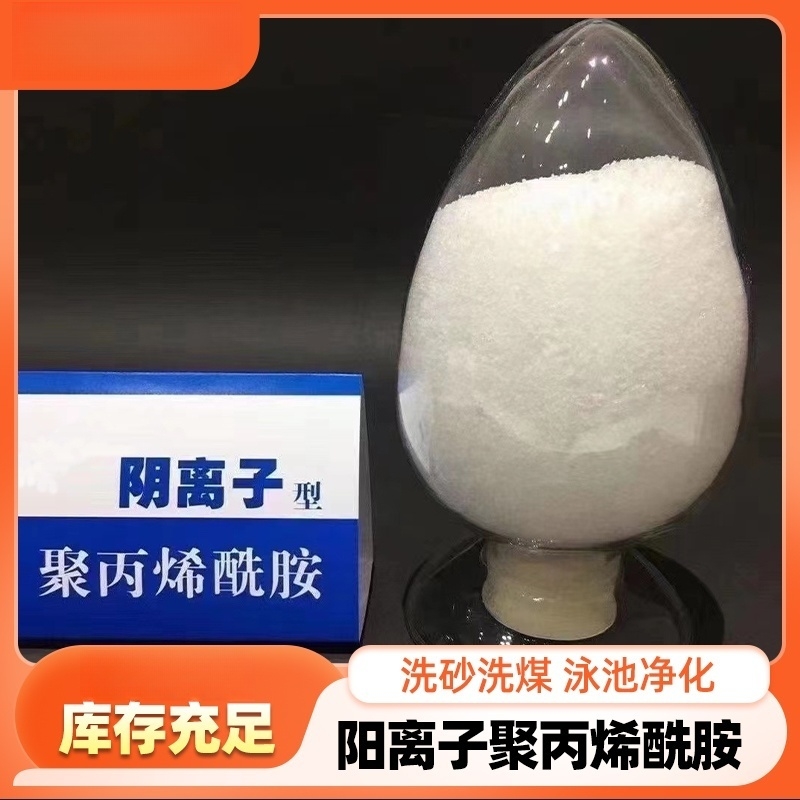
Understanding Polyacrylamide Types and Applications
Polyacrylamide (PAM) exists in three main forms: anionic, cationic, and non-ionic, each with specific application characteristics. Anionic PAM works best for negatively charged particles in water treatment, while cationic PAM effectively removes positively charged impurities. Non-ionic PAM demonstrates excellent flocculation performance in neutral pH environments.
The primary application industries include:
- Municipal wastewater treatment plants
- Paper manufacturing (as retention and drainage aids)
- Oil and gas industry (for drilling fluid formulation)
- Textile industry (as sizing agents)
- Mining operations (for tailings water treatment)
Understanding your specific application requirements is the first step in selecting the right polyacrylamide supplier. Different industries have varying purity standards and performance expectations for PAM products.
Key Quality Standards for Polyacrylamide
Reliable polyacrylamide suppliers should comply with international quality standards. The most important certifications include ISO 9001 (Quality Management System), ISO 14001 (Environmental Management System), and OHSAS 18001 (Occupational Health and Safety Management System). For food-grade applications, suppliers should also have HALAL or Kosher certifications.
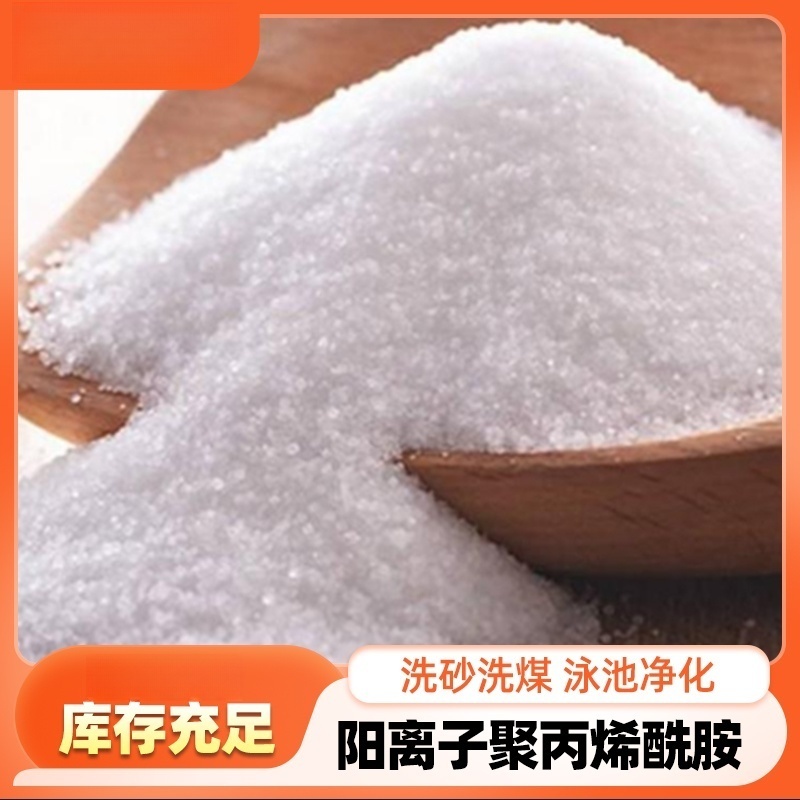
Technical parameters to verify include:
- Molecular weight (typically 5-25 million Daltons)
- Degree of hydrolysis (for anionic PAM)
- Degree of ionization (for cationic PAM)
- Residual monomer content (should be <0.05% for drinking water applications)
- Solubility and dissolution time
A professional supplier should provide complete technical data sheets and third-party test reports for their products. Murong International maintains strict quality control protocols and works with SGS-certified laboratories to ensure product compliance.
Comparing Polyacrylamide Product Specifications
The following table compares typical specifications for different polyacrylamide grades:
| Parameter | Anionic PAM | Cationic PAM | Non-ionic PAM |
|---|---|---|---|
| Molecular Weight (MDa) | 8-22 | 6-18 | 5-15 |
| Degree of Hydrolysis (%) | 10-35 | N/A | <5 |
| Degree of Ionization (%) | N/A | 5-60 | N/A |
| Solid Content (%) | ≥88 | ≥88 | ≥88 |
| Residual Monomer (%) | <0.05 | <0.05 | <0.05 |
Evaluating Polyacrylamide Manufacturer Capabilities
When selecting a polyacrylamide supplier, consider these critical factors:
1. Production Capacity: A reliable supplier should have annual production capacity exceeding 10,000 metric tons to ensure stable supply. Murong International partners with multiple ISO-certified factories with combined capacity of over 50,000 tons/year.
2. Technical Support: Look for suppliers offering on-site technical service, dosage optimization, and process improvement suggestions. Our team of chemical engineers provides 24/7 support to clients worldwide.
3. Supply Chain Management: The supplier should demonstrate efficient logistics capabilities, including proper packaging (typically 25kg bags or 1,000kg bulk bags), storage conditions, and transportation arrangements. We maintain strategic warehouses in major ports to ensure timely delivery.
4. Environmental Compliance: Choose suppliers with proper wastewater treatment systems and environmental protection measures in their production facilities. All our partner factories comply with local environmental regulations and have waste treatment systems in place.
Common Polyacrylamide Application Challenges
Clients often face these challenges when using polyacrylamide:
1. Dissolution Issues: Improper dissolution can lead to “fish eyes” or incomplete dissolution. Solution: Use clean water (preferably deionized), maintain proper water temperature (20-40°C), and ensure adequate mixing time (30-60 minutes).
2. Dosage Optimization: Overdosing wastes chemicals while underdosing affects treatment efficiency. Solution: Conduct jar tests to determine optimal dosage based on water quality parameters.
3. Storage Problems: PAM can absorb moisture and degrade if stored improperly. Solution: Store in cool, dry place (below 35°C), away from direct sunlight, and in original sealed packaging.
4. Compatibility Issues: Some chemicals may react with PAM. Solution: Consult with technical experts before mixing with other chemicals.
FAQ
What factors affect polyacrylamide pricing?
Polyacrylamide prices depend on raw material costs (acrylonitrile prices), production capacity utilization, molecular weight grade, and order quantity. Bulk purchases typically receive volume discounts. Current market prices range from $1,800 to $3,500 per metric ton depending on specifications.
How to determine the right polyacrylamide type for my application?
The selection depends on your water quality characteristics. For wastewater with negatively charged particles (like clay), anionic PAM works best. For positively charged impurities (like dye molecules), cationic PAM is recommended. Our technical team can provide free water testing and product selection guidance.
What is the shelf life of polyacrylamide?
Properly stored polyacrylamide has a shelf life of 2 years from production date. Storage conditions should be cool (below 35°C), dry (humidity <60%), and away from direct sunlight. Once opened, use within 6 months and reseal packaging tightly.
Can polyacrylamide be used in drinking water treatment?
Yes, but only food-grade polyacrylamide that meets NSF/ANSI 61 standards should be used for drinking water applications. The residual monomer content must be below 0.05% and the product should have relevant health certification.
How to handle polyacrylamide safely?
While non-toxic, PAM dust may irritate respiratory system. Wear protective equipment (gloves, goggles, dust mask) when handling. Avoid inhalation of dust. In case of contact with eyes, rinse immediately with plenty of water. Keep out of reach of children.
Summary
Selecting the right polyacrylamide supplier requires careful evaluation of product quality, technical support, production capacity, and environmental compliance. As a professional international trader with 15+ years of experience in water treatment chemicals, Murong International offers comprehensive solutions including product selection, dosage optimization, and after-sales support. Our commitment to quality and customer service has earned us long-term partnerships with clients in 45+ countries.
For reliable polyacrylamide supply and professional technical support, contact our team today to discuss your specific requirements and receive a customized solution.