
In the global industrial landscape, activated carbon stands as a cornerstone material for water treatment, air purification, and various chemical processes. Among its diverse types, fruit shell activated carbon has gained significant attention due to its eco-friendly nature and superior adsorption capabilities. However, for businesses seeking to procure this material, understanding the pricing dynamics and identifying a trustworthy supplier can be challenging. This comprehensive guide delves into the factors influencing fruit shell activated carbon price per ton, offers insights into selecting a reliable manufacturer, and highlights the advantages of partnering with an authoritative provider like Murong (Shanghai) International Trading Co., Ltd.
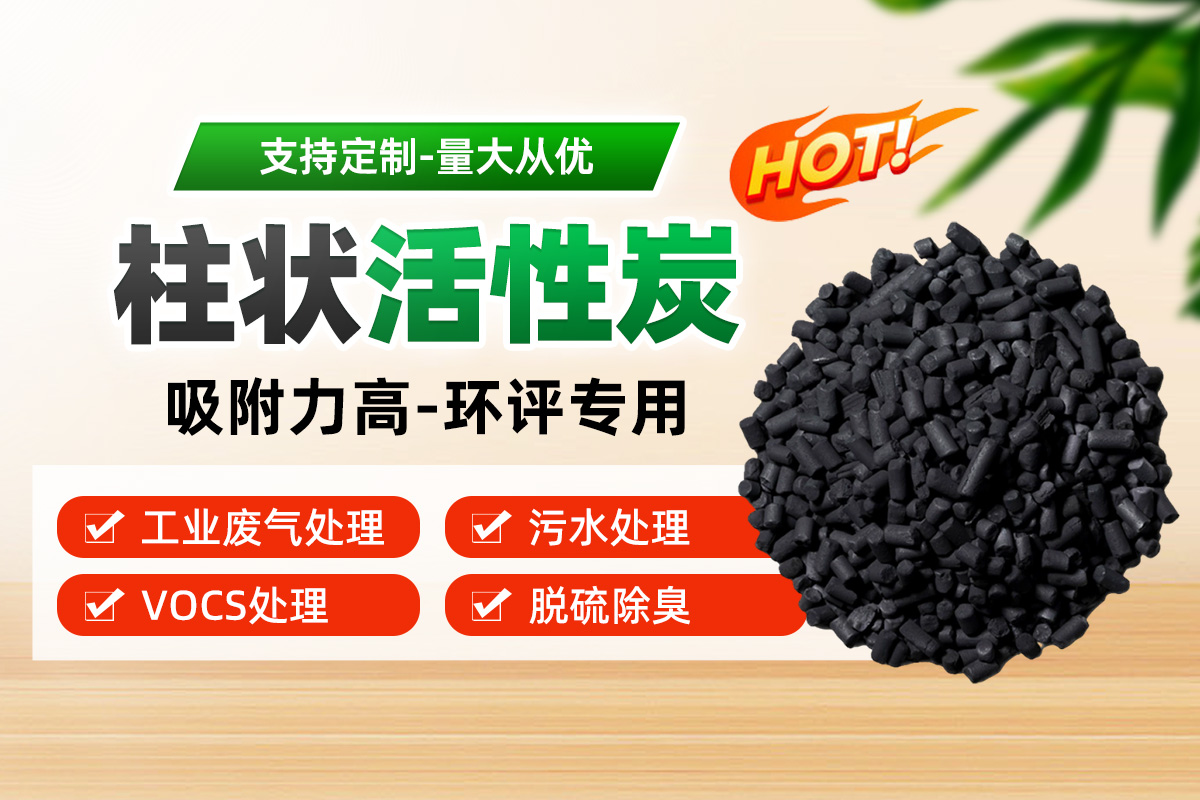
Understanding Fruit Shell Activated Carbon
Fruit shell activated carbon is derived from the pyrolysis and activation of agricultural waste such as coconut shells, walnut shells, and apricot pits. This process transforms the organic material into a highly porous structure with immense surface area, enabling it to effectively adsorb impurities, odors, and chemicals. Its applications span across water treatment, air purification, gold recovery, and even food and beverage processing. The eco-friendly production method and renewable raw materials make fruit shell activated carbon a sustainable choice for environmentally conscious industries.
Factors Influencing Fruit Shell Activated Carbon Price Per Ton
The pricing of fruit shell activated carbon is influenced by several key factors, each playing a crucial role in determining the final cost. Understanding these elements can help businesses make informed purchasing decisions and negotiate better deals with suppliers.
1. Raw Material Quality and Availability
The quality and availability of fruit shells significantly impact the production cost. High-quality, clean fruit shells yield better activated carbon with higher adsorption capacity, thus commanding a premium price. Additionally, seasonal variations and geographical differences in fruit shell availability can affect raw material costs, leading to fluctuations in the final product price.
2. Activation Process and Technology
The activation process, whether physical or chemical, plays a vital role in determining the quality and cost of activated carbon. Advanced activation technologies, such as steam activation or phosphoric acid activation, produce higher-grade activated carbon but often come at a higher production cost. Suppliers investing in state-of-the-art activation equipment and processes may charge more for their products due to the superior quality and performance.
3. Product Specifications and Purity Levels
Activated carbon is available in various grades and specifications, tailored to specific applications. Factors such as particle size, pore structure, surface area, and ash content influence the product’s effectiveness and pricing. Higher purity levels and customized specifications typically result in higher costs, as they require more stringent quality control measures during production.
4. Market Demand and Supply Dynamics
Like any commodity, the price of fruit shell activated carbon is subject to market demand and supply forces. During periods of high demand, such as during environmental regulations tightening or industrial booms, prices may rise due to limited supply. Conversely, during periods of oversupply or economic downturns, prices may decline as suppliers compete for market share.
5. Supplier Reputation and Location
The reputation and location of the supplier also play a role in pricing. Established suppliers with a track record of delivering high-quality products and reliable service may charge a premium for their brand value and customer trust. Additionally, suppliers located in regions with lower production costs, such as Southeast Asia, may offer more competitive pricing compared to those in higher-cost regions.
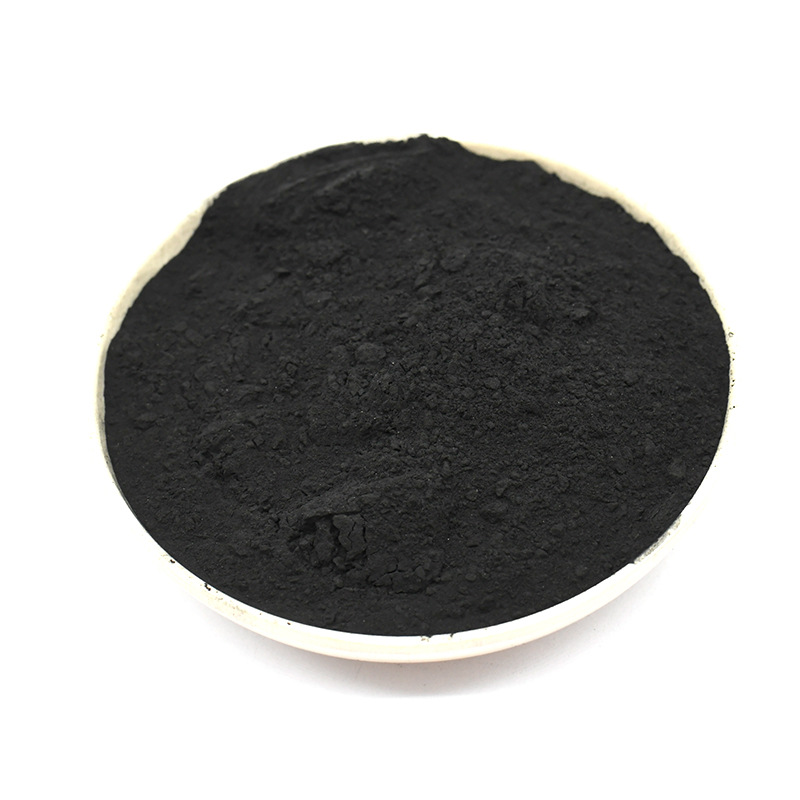
How to Choose a Reliable Fruit Shell Activated Carbon Supplier
Selecting a trustworthy supplier is crucial for ensuring product quality, consistent supply, and cost-effectiveness. Here are some key considerations to keep in mind when evaluating potential suppliers:
1. Industry Experience and Expertise
Look for suppliers with extensive experience in the activated carbon industry, particularly in fruit shell activated carbon production. A supplier with a deep understanding of the material’s properties, applications, and market trends is more likely to provide high-quality products and valuable technical support.
2. Quality Certifications and Standards
Ensure the supplier adheres to international quality standards and holds relevant certifications, such as ISO 9001 for quality management systems and ISO 14001 for environmental management systems. These certifications indicate the supplier’s commitment to maintaining high-quality production processes and minimizing environmental impact.
3. Product Range and Customization Capabilities
Choose a supplier offering a wide range of fruit shell activated carbon products with varying specifications to meet your specific needs. Additionally, the ability to customize products according to your requirements demonstrates the supplier’s flexibility and technical expertise.
4. Production Capacity and Supply Chain Reliability
Evaluate the supplier’s production capacity to ensure they can meet your demand volumes consistently. A reliable supply chain, including raw material sourcing, production scheduling, and logistics management, is essential for avoiding disruptions and maintaining smooth operations.
5. Customer Reviews and Testimonials
Research the supplier’s reputation by reading customer reviews and testimonials. Positive feedback from satisfied clients indicates the supplier’s reliability, product quality, and customer service excellence. Conversely, negative reviews or complaints should raise red flags and prompt further investigation.
6. Pricing and Value Proposition
While cost is an important factor, it should not be the sole determinant in choosing a supplier. Instead, focus on the overall value proposition, considering factors such as product quality, technical support, supply chain reliability, and after-sales service. A supplier offering competitive pricing along with these value-added services is likely to provide the best return on investment.
| Factor | Impact on Pricing |
|---|---|
| Raw Material Quality | Higher quality raw materials result in higher production costs and premium pricing. |
| Activation Process | Advanced activation technologies increase production costs but yield superior products. |
| Product Specifications | Customized specifications and higher purity levels command higher prices. |
| Market Demand | High demand periods may lead to price increases due to limited supply. |
| Supplier Reputation | Established suppliers with strong brand value may charge a premium for their products. |
FAQ
What is the average price range for fruit shell activated carbon per ton?
The average price range for fruit shell activated carbon per ton varies depending on factors such as raw material quality, activation process, product specifications, and market demand. Generally, prices can range from $1,000 to $3,000 per ton, with higher-grade products commanding premium pricing.
How does the activation process affect the quality and price of fruit shell activated carbon?
The activation process, whether physical or chemical, significantly impacts the quality and price of fruit shell activated carbon. Advanced activation technologies, such as steam activation, produce higher-grade activated carbon with superior adsorption capacity but often come at a higher production cost, resulting in premium pricing.
What are the key considerations when selecting a fruit shell activated carbon supplier?
Key considerations when selecting a fruit shell activated carbon supplier include industry experience, quality certifications, product range and customization capabilities, production capacity, supply chain reliability, customer reviews, and pricing. A supplier offering a balance of high-quality products, reliable service, and competitive pricing is ideal.
How can I ensure the quality of fruit shell activated carbon purchased from a supplier?
To ensure the quality of fruit shell activated carbon, look for suppliers adhering to international quality standards and holding relevant certifications, such as ISO 9001. Additionally, request product specifications, test reports, and samples to verify the material’s properties and performance before making a purchase.
What are the advantages of using fruit shell activated carbon over other types of activated carbon?
Fruit shell activated carbon offers several advantages over other types, including its eco-friendly production method, renewable raw materials, superior adsorption capacity, and versatility in applications. Its high surface area and porous structure make it effective in removing impurities, odors, and chemicals from water, air, and various industrial processes.
Summary
Understanding the factors influencing fruit shell activated carbon price per ton is crucial for businesses seeking to procure this material for their industrial needs. By considering elements such as raw material quality, activation process, product specifications, market demand, and supplier reputation, businesses can make informed purchasing decisions and negotiate better deals. Selecting a reliable supplier like Murong (Shanghai) International Trading Co., Ltd., with its extensive industry experience, commitment to quality, and customer-centric approach, ensures access to high-quality fruit shell activated carbon at competitive prices, driving operational efficiency and success in the global market.