
When it comes to circulating water purification in Japan, businesses face the critical challenge of selecting reliable suppliers who can provide cost-effective solutions without compromising quality. As Japan’s industrial sector continues to grow, the demand for efficient water treatment systems has surged, making it essential to partner with experienced suppliers who understand the unique requirements of Japanese markets. This comprehensive guide explores the top circulating water purification options in Japan, highlighting key suppliers, product specifications, and factors to consider when making your selection.
Understanding Japan’s Circulating Water Purification Needs
Japan’s industrial landscape presents unique challenges for water purification. The combination of strict environmental regulations, high water quality standards, and the need for sustainable solutions makes circulating water purification a complex but essential process. Industries ranging from manufacturing to food processing require reliable systems that can continuously treat and recirculate water while maintaining optimal quality parameters.
The Japanese market demands water purification solutions that can handle various contaminants including organic matter, heavy metals, suspended solids, and chemical pollutants. Effective circulating systems must not only remove these impurities but also prevent corrosion, scale formation, and biological growth within the recirculation loop. This requires a combination of advanced filtration technologies and specialized water treatment chemicals.
Key Components of Effective Circulating Water Purification Systems
A comprehensive circulating water purification system in Japan typically incorporates several key components working in tandem to ensure optimal water quality. The foundation of any effective system lies in its filtration media and chemical treatment agents, which must be carefully selected based on the specific water quality requirements of each application.
For Japanese industries, the most critical components include:
- High-performance filtration media
- Specialized coagulants and flocculants
- pH adjusters and corrosion inhibitors
- Biocides and disinfection agents
- Scale prevention chemicals

Industrial Activated Carbon for Water Purification
Activated carbon plays a crucial role in Japanese water purification systems, particularly for removing organic contaminants, chlorine, and unpleasant odors. The Japanese market offers several types of activated carbon tailored to different applications:
| Type | Application | Key Feature |
|---|---|---|
| Coconut Shell Activated Carbon | Drinking water purification, food processing | High microporosity, excellent for VOC removal |
| Columnar Activated Carbon | Industrial wastewater treatment | Low pressure drop, high mechanical strength |
| Spherical Activated Carbon | Specialized chemical processes | Uniform particle size, high adsorption capacity |
Japanese suppliers often provide activated carbon with specific iodine numbers and surface area specifications to meet the stringent requirements of local industries. For circulating water systems, coconut shell activated carbon is particularly popular due to its effectiveness in removing chlorine and organic compounds that can affect water taste and odor.
Polyacrylamide: The Essential Flocculant for Japanese Water Treatment
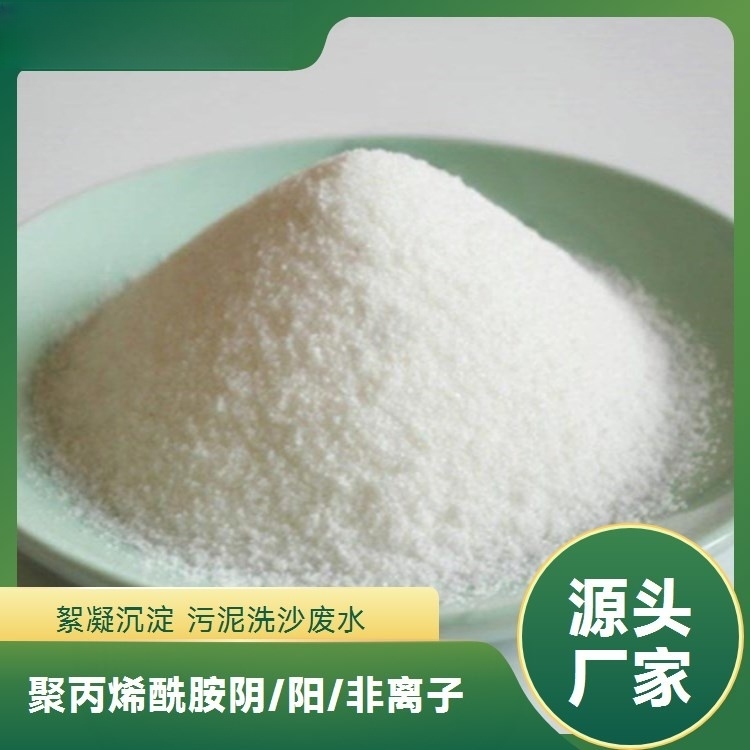
Polyacrylamide (PAM) serves as a critical flocculant in Japan’s water treatment processes, helping to aggregate suspended particles for easier removal. This synthetic polymer comes in various forms, each suited to specific applications within circulating water systems:
- Anionic Polyacrylamide: Effective for treating negatively charged particles in industrial wastewater
- Cationic Polyacrylamide: Ideal for sludge dewatering and treatment of organic-rich waters
- Non-ionic Polyacrylamide: Used when neutral charge characteristics are required
Japanese suppliers typically offer polyacrylamide with molecular weights ranging from 5 to 25 million, allowing for precise control over flocculation performance. The choice of polyacrylamide type depends on the specific contaminants present in the circulating water and the desired clarity of the treated water.
In Japan’s food processing industry, for example, cationic polyacrylamide is often preferred for its ability to effectively treat organic waste while maintaining food safety standards. For heavy industrial applications, anionic varieties may be more suitable for handling metal hydroxides and inorganic particles.
Citric Acid: A Natural Solution for Water Treatment Challenges
Citric acid has gained popularity in Japan’s water treatment sector as a natural, biodegradable alternative to harsher chemicals. This versatile compound serves multiple functions in circulating water systems:
- pH Adjustment: Safely lowers water pH without introducing toxic byproducts
- Chelation Agent: Binds with metal ions to prevent scale formation
- Disinfection Booster: Enhances the effectiveness of chlorine-based disinfectants
Japanese manufacturers typically provide food-grade citric acid that meets strict quality standards, making it suitable for applications where water may come into contact with food products or pharmaceuticals. The compound’s natural origin and minimal environmental impact align well with Japan’s emphasis on sustainable industrial practices.
In circulating cooling water systems, citric acid helps prevent scale buildup on heat exchanger surfaces, improving system efficiency and reducing maintenance requirements. Its biodegradability also ensures that treated water can be safely discharged or recycled without harming local ecosystems.
Anthracite Filter Media: The Backbone of Japanese Filtration Systems
Anthracite coal serves as an excellent filtration medium in Japan’s water treatment systems, particularly for multi-media filters that require both mechanical straining and adsorption capabilities. Japanese suppliers typically offer anthracite with the following specifications:
- Particle size: 0.6-1.2mm or 0.8-1.6mm for different filtration stages
- Hardness: 3.5-4.0 on Mohs scale for durability
- Density: 1.4-1.6 g/cm³ for optimal backwash performance
When used in combination with sand and garnet in multi-media filters, anthracite provides effective removal of suspended solids while allowing for longer filter runs between backwashes. This is particularly valuable in Japan’s industrial settings where continuous operation is essential and downtime must be minimized.
The high carbon content of anthracite also gives it some adsorptive properties, helping to remove certain organic compounds and improving overall water clarity. Japanese water treatment plants often use anthracite filters as a pre-treatment stage before more specialized processes like activated carbon adsorption or membrane filtration.
Choosing Reliable Water Treatment Suppliers in Japan
Selecting the right supplier for circulating water purification materials in Japan requires careful consideration of several factors:
- Product Quality Certifications: Look for suppliers with ISO certifications and compliance with JIS (Japanese Industrial Standards) where applicable
- Technical Support: Choose companies that offer comprehensive technical assistance, including system design and troubleshooting
- Supply Chain Reliability: Ensure consistent availability of materials, especially for critical components like activated carbon and polyacrylamide
- Environmental Compliance: Verify that suppliers follow Japan’s strict environmental regulations in their production processes
- Cost-Effectiveness: Compare pricing while considering total cost of ownership, including transportation and storage requirements
Many Japanese companies now offer bundled solutions that combine multiple water treatment chemicals and media, providing a more integrated approach to circulating water purification. These package solutions can often reduce costs while ensuring compatibility between different treatment components.
FAQ
What makes Japanese circulating water purification systems different from other countries?
Japanese systems emphasize precision engineering, strict quality control, and integration with advanced monitoring technologies. They often incorporate multiple treatment stages to meet Japan’s high water quality standards while minimizing environmental impact through efficient resource use.
How do I select the right activated carbon for my Japanese water treatment application?
Consider factors like the specific contaminants you need to remove, required flow rates, and space constraints. Coconut shell activated carbon is excellent for organic removal, while columnar types offer better mechanical strength for industrial applications. Work with a supplier that can provide detailed specifications and testing data.
Is polyacrylamide safe for use in food processing water treatment in Japan?
Yes, when using food-grade cationic polyacrylamide that meets Japanese regulatory standards. Always verify that your supplier provides documentation confirming compliance with food safety regulations for any chemicals used in processes where water may contact food products.
What advantages does citric acid offer over traditional scale inhibitors in Japan?
Citric acid provides effective scale control while being biodegradable and less harmful to aquatic life. It’s particularly valuable in Japan’s environmentally conscious market where sustainable solutions are preferred. However, for very hard water or high-scale conditions, specialized synthetic inhibitors may still be necessary.
How often should anthracite filter media be replaced in Japanese water treatment systems?
With proper backwashing and maintenance, anthracite filters can last 5-10 years in Japanese systems. The replacement interval depends on water quality, flow rates, and the specific contaminants being filtered. Regular monitoring of pressure differentials and water quality can help determine optimal replacement timing.
Summary
Japan’s circulating water purification market offers a sophisticated array of solutions tailored to the country’s unique industrial requirements and environmental standards. From high-performance activated carbon to specialized polyacrylamide flocculants, Japanese suppliers provide a comprehensive range of materials for effective water treatment. The key to successful implementation lies in understanding your specific water quality challenges and partnering with suppliers who can offer not just products but complete system solutions.
As Japan continues to lead in industrial innovation and environmental stewardship, the demand for reliable, cost-effective water purification solutions will only grow. By leveraging the expertise of established Japanese suppliers and staying informed about the latest advancements in water treatment technologies, businesses can ensure their circulating water systems meet the highest standards of efficiency and sustainability.