
Water quality management is crucial for Japan’s industrial sector, where precise water clarification systems are essential for maintaining production standards and environmental compliance. As a leading international water treatment materials supplier based in Shanghai, China, Murong (Shanghai) International Trading Co., Ltd. has developed specialized solutions to meet Japan’s stringent water purification requirements. This comprehensive guide explores the most effective water treatment materials for Japanese industrial applications, their selection criteria, and maintenance best practices.

Understanding Japan’s Water Clarification Requirements
Japan’s industrial water treatment standards are among the most rigorous globally, driven by limited water resources and strict environmental regulations. The country’s manufacturing sector requires consistent access to high-quality water for various processes, including cooling, washing, and as a production component. This creates a significant demand for reliable water clarification materials that can effectively remove contaminants while maintaining system efficiency.
The Japanese market has specific preferences when it comes to water treatment solutions. Factors influencing material selection include:
- High purity requirements for semiconductor and electronics manufacturing
- Strict discharge standards for chemical and pharmaceutical industries
- Need for energy-efficient solutions in large-scale cooling systems
- Preference for materials with proven performance in Japanese climatic conditions
- Demand for sustainable, environmentally friendly treatment options
Key Water Treatment Materials for Japanese Applications
Based on our extensive experience serving Japanese clients, we’ve identified several water treatment materials that consistently deliver excellent results in Japan’s industrial sector:
1. Activated Carbon for Superior Water Purification
Activated carbon remains the cornerstone of effective water clarification systems in Japan. Our product range includes:
- Coconut Shell Granular Activated Carbon: Ideal for removing organic contaminants, chlorine, and odors from process water. Its high surface area and pore structure make it particularly effective for Japanese electronics manufacturing where ultra-pure water is required.
- Powdered Activated Carbon: Used for emergency treatment of spills or sudden contamination events. Its rapid adsorption properties make it valuable for Japanese chemical plants needing quick response capabilities.
- Columnar Activated Carbon: Designed for fixed-bed filtration systems commonly used in Japanese power plants for cooling water treatment. Its uniform shape ensures consistent flow rates and pressure drops.
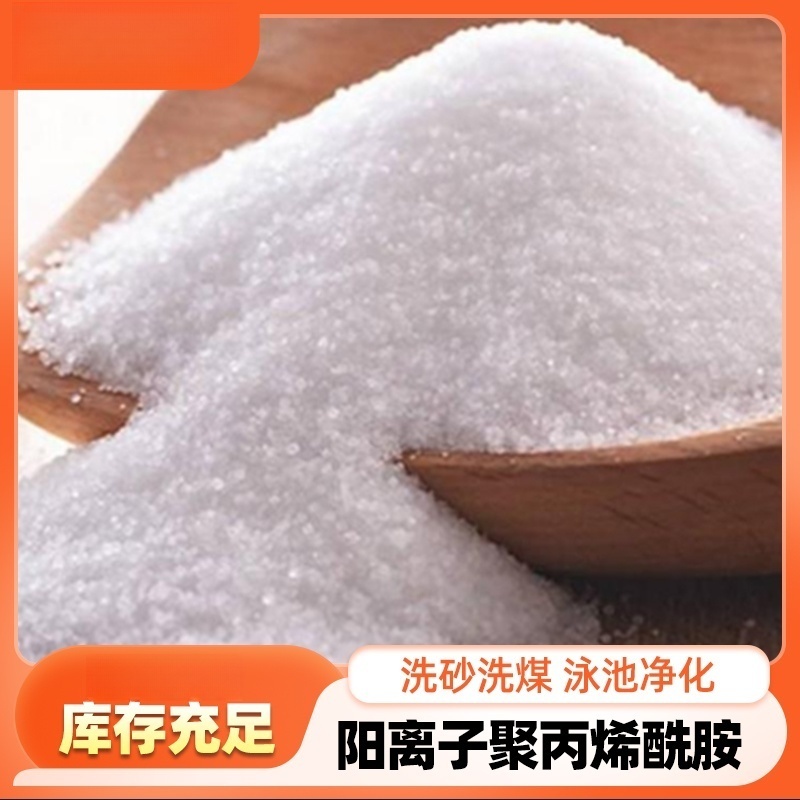
2. Polyacrylamide for Enhanced Water Clarity
Polyacrylamide (PAM) plays a vital role in Japan’s water treatment processes by acting as a flocculant and coagulant aid. Our polyacrylamide products offer:
- High Molecular Weight: Effective for treating turbid water from construction sites and mining operations, which is then reused in industrial processes.
- Cationic, Anionic, and Nonionic Variants: Customizable solutions for different water qualities and treatment requirements across various Japanese industries.
- Low Residual Monomer Content: Meets Japan’s strict food safety standards when used in water treatment for beverage production.
3. Citric Acid for Scale Prevention and pH Adjustment
Citric acid serves multiple functions in Japanese water treatment systems:
- Natural Scale Inhibitor: Prevents calcium carbonate scaling in cooling towers without introducing harmful chemicals.
- pH Adjustment Agent: Maintains optimal water chemistry for various industrial processes.
- Biodegradable Alternative: Aligns with Japan’s preference for environmentally sustainable treatment solutions.
4. Anthracite Filter Media for Mechanical Filtration
Our high-quality anthracite filter media provides excellent mechanical filtration for Japanese water treatment systems:
- High Density: Ensures effective particle removal while maintaining reasonable backwash rates.
- Uniform Particle Size: Prevents channeling and ensures consistent filtration performance.
- Chemical Resistance: Withstands Japanese industrial water chemistries without degradation.
| Material | Key Benefit | Japanese Industry Application |
|---|---|---|
| Coconut Shell Activated Carbon | High adsorption capacity | Electronics manufacturing |
| Polyacrylamide | Effective flocculation | Paper and pulp industry |
| Citric Acid | Natural scale prevention | Food and beverage production |
| Anthracite Filter Media | Mechanical filtration | Power plant cooling systems |
Selecting the Right Water Treatment Materials for Japan
Choosing appropriate water treatment materials for Japanese applications requires careful consideration of several factors:
1. Water Quality Analysis
Before selecting materials, conduct a comprehensive water analysis to identify:
- Suspended solids concentration
- Organic content levels
- pH and alkalinity
- Specific contaminants of concern (e.g., heavy metals, microorganisms)
- Water temperature variations
2. Process Requirements
Consider the specific needs of your industrial process:
- Required water purity level
- Flow rates and pressure requirements
- Space limitations for treatment equipment
- Integration with existing systems
3. Regulatory Compliance
Ensure materials meet all relevant Japanese standards, including:
- Water Quality Standards (JIS)
- Industrial Water Use Regulations
- Environmental Protection Laws
- Food Safety Standards (when applicable)
4. Supplier Reliability
Partner with a supplier that understands Japan’s market requirements:
- Consistent product quality
- Reliable delivery schedules
- Technical support capabilities
- Understanding of Japanese business culture
Maintenance Best Practices for Water Treatment Systems in Japan
Proper maintenance is crucial for ensuring long-term performance and cost-effectiveness of water treatment systems in Japan. Implement these best practices:
1. Regular Monitoring and Testing
Establish a routine testing schedule to track:
- Water quality parameters before and after treatment
- Material performance indicators (e.g., pressure drop across filters)
- System efficiency metrics
2. Scheduled Material Replacement
Develop replacement schedules based on:
- Manufacturer recommendations
- Actual usage patterns
- Water quality trends
- Seasonal variations in water composition
3. Preventive Maintenance Programs
Implement preventive measures to avoid unexpected downtime:
- Regular cleaning of filtration systems
- Inspection of structural components
- Calibration of monitoring equipment
- Staff training on system operation
4. Emergency Response Planning
Prepare for unexpected events with:
- Spare materials inventory
- Quick-change procedures for critical components
- Contact information for technical support
- Documentation of system configurations
FAQ
What factors should Japanese companies consider when selecting water treatment materials?
Japanese companies should evaluate water quality requirements, process specifications, regulatory compliance needs, and supplier reliability. The specific industrial application (e.g., electronics manufacturing vs. food processing) will significantly influence material selection.
How often should activated carbon be replaced in Japanese water treatment systems?
Replacement frequency depends on water quality, flow rates, and contaminant levels. Typically, coconut shell activated carbon in Japanese electronics manufacturing applications may require replacement every 6-12 months, while other applications might extend to 18-24 months with proper monitoring.
What makes polyacrylamide suitable for Japanese industrial water treatment?
Our polyacrylamide products offer high molecular weight for effective flocculation, multiple ionic variants for different water qualities, and low residual monomer content that meets Japan’s strict safety standards, especially for food-related applications.
How does citric acid benefit Japanese water treatment systems?
Citric acid serves as a natural scale inhibitor, preventing calcium carbonate buildup in cooling systems without introducing harmful chemicals. It also helps maintain optimal pH levels and is biodegradable, aligning with Japan’s environmental sustainability goals.
What advantages does anthracite filter media offer for Japanese applications?
Our anthracite provides high density for effective particle removal, uniform particle size for consistent performance, and excellent chemical resistance to withstand Japanese industrial water chemistries without degradation over time.
How can Japanese companies ensure consistent water treatment material quality?
Partner with suppliers that implement strict quality control processes, including batch testing, certification to international standards, and regular factory audits. Choose suppliers with a proven track record in the Japanese market.
What maintenance is required for water treatment systems using these materials?
Regular monitoring of water quality and system performance is essential. Establish scheduled material replacement based on usage patterns and water quality trends. Implement preventive maintenance programs and have emergency response plans in place.
Are these materials compatible with Japanese industrial equipment?
Yes, our materials are designed to work with standard Japanese industrial water treatment equipment. We can provide technical specifications and compatibility information to ensure seamless integration with your existing systems.
How does the cost of these materials compare in the Japanese market?
While initial costs may vary based on quality and specifications, our materials offer excellent value through consistent performance, longer service life, and reduced maintenance requirements. We work with clients to optimize material selection for cost-effectiveness.
What support does your company provide to Japanese clients?
We offer comprehensive support including technical consultations, custom material formulations, documentation in Japanese, and assistance with regulatory compliance. Our multilingual team understands Japanese business culture and communication preferences.
Summary
Selecting the right water treatment materials is crucial for Japanese industrial companies seeking to maintain high water quality standards while optimizing operational efficiency. By understanding Japan’s specific requirements and working with experienced suppliers like Murong (Shanghai) International Trading Co., Ltd., companies can implement effective water clarification systems that meet regulatory standards, support production needs, and contribute to environmental sustainability.
Our comprehensive product range, including activated carbon, polyacrylamide, citric acid, and anthracite filter media, has been successfully implemented in numerous Japanese industrial applications. Combined with our commitment to quality, technical expertise, and understanding of the Japanese market, we provide reliable solutions for all your water treatment needs.