
Citric acid, a naturally occurring weak organic acid, plays a pivotal role in the food and beverage industry, particularly in enhancing flavors and balancing sweetness. As a key player in the international trade of water treatment materials, Murong (Shanghai) International Trading Co., Ltd. recognizes the importance of providing high-quality citric acid to its global clientele. This comprehensive guide delves into the selection, application, and maintenance of citric acid, ensuring that you make informed decisions for your culinary and industrial needs.
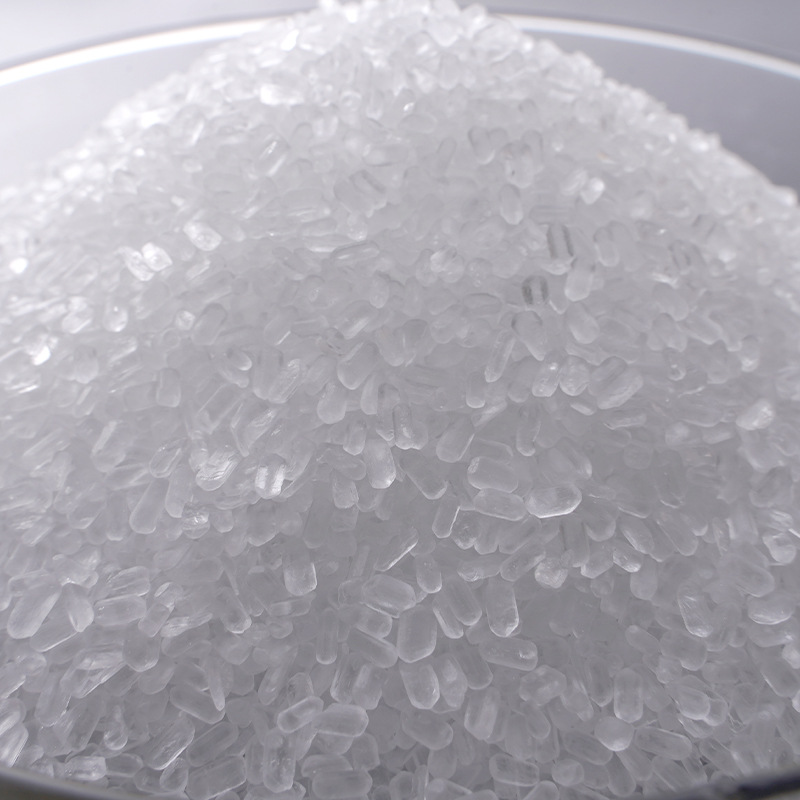
Understanding Citric Acid and Its Applications
Citric acid is widely recognized for its ability to enhance flavors, particularly in acidic foods and beverages. It acts as a natural preservative, extending the shelf life of products while maintaining their freshness. In the culinary world, citric acid is used to add a tangy taste to candies, soft drinks, and even certain types of cheese. Its versatility extends beyond the kitchen, finding applications in cleaning products, pharmaceuticals, and cosmetics.
For businesses in Japan seeking to incorporate citric acid into their products, understanding its multifaceted applications is crucial. Whether you’re a food manufacturer looking to balance sweetness or a cleaning product supplier aiming for effective stain removal, citric acid offers a reliable solution. Murong (Shanghai) International Trading Co., Ltd. provides a range of citric acid products tailored to meet diverse industry requirements.
How to Select the Right Citric Acid Supplier
Choosing a reputable citric acid supplier is paramount to ensuring product quality and consistency. When evaluating potential suppliers, consider the following factors:
- Quality Standards: Ensure that the supplier adheres to international quality standards, such as ISO certifications, to guarantee the purity and safety of their citric acid.
- Product Range: Look for a supplier that offers a variety of citric acid forms, including anhydrous and monohydrate, to cater to different applications.
- Customization Options: A supplier capable of providing customized solutions, such as specific particle sizes or packaging requirements, can better meet your unique needs.
- Customer Support: Opt for a supplier with a dedicated customer support team to address any queries or concerns promptly.
- Reputation and Reviews: Research the supplier’s reputation in the market and read reviews from previous clients to gauge their reliability and service quality.
Murong (Shanghai) International Trading Co., Ltd. stands out as a trusted supplier, offering high-quality citric acid products and exceptional customer service to clients worldwide.
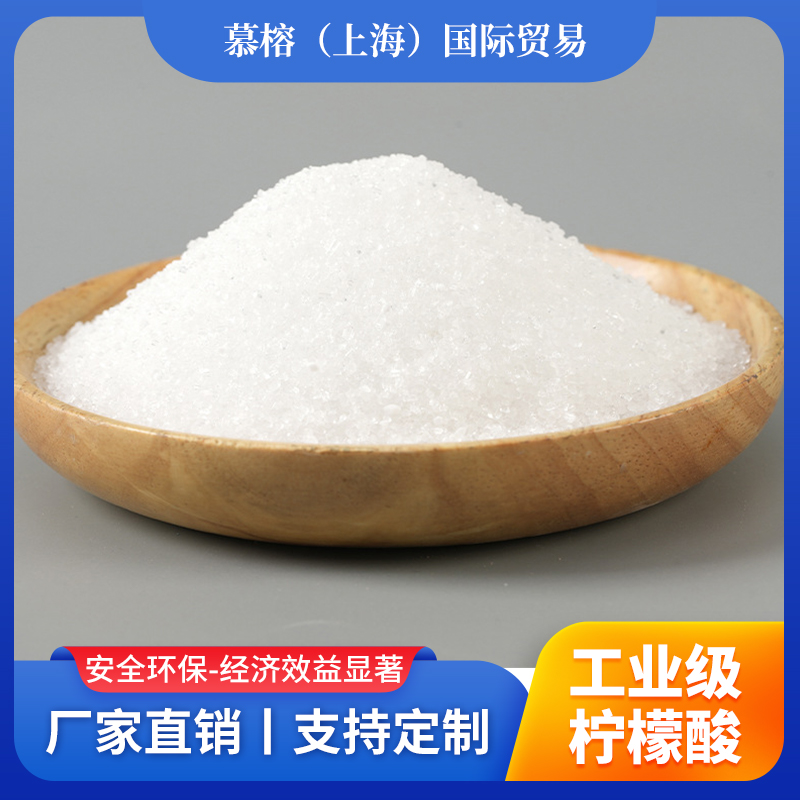
Citric Acid for Balancing Sweetness in Food
One of the primary uses of citric acid in the food industry is to balance sweetness. When added to recipes, it can counteract excessive sweetness, creating a more balanced and appealing flavor profile. This is particularly useful in candies, jams, and beverages where a harmonious blend of sweet and sour is desired. For businesses in Japan looking to enhance their products’ taste, incorporating citric acid can be a game-changer.
To effectively use citric acid for balancing sweetness, start by adding small amounts and gradually increasing until the desired flavor is achieved. It’s essential to maintain a delicate balance to avoid overpowering the sweetness or introducing an overly sour taste. Experimenting with different quantities and combinations can help you find the perfect ratio for your specific product.
Maintenance and Care Tips for Citric Acid
Proper maintenance and care of citric acid are crucial to preserving its quality and effectiveness. Here are some essential tips to ensure your citric acid remains in optimal condition:
- Storage Conditions: Store citric acid in a cool, dry place away from direct sunlight and moisture. Exposure to heat and humidity can cause clumping and degradation of the product.
- Sealed Containers: Keep citric acid in airtight containers to prevent contamination and maintain its purity. This is particularly important for food-grade citric acid, where hygiene is paramount.
- Regular Inspection: Periodically inspect your citric acid for any signs of clumping, discoloration, or off-odors. These may indicate degradation or contamination, necessitating replacement.
- Labeling and Documentation: Clearly label your citric acid containers with the date of purchase and expiration date (if applicable). This helps in tracking inventory and ensuring timely use.
By following these maintenance tips, you can extend the shelf life of your citric acid and ensure consistent performance in your applications.
| Parameter | Description |
|---|---|
| Form | Anhydrous or Monohydrate |
| Purity | ≥99.5% |
| Particle Size | Customizable based on application |
| Packaging | 25kg bags or as per customer requirements |
FAQ
What is the primary use of citric acid in the food industry?
The primary use of citric acid in the food industry is to enhance flavors and balance sweetness. It adds a tangy taste to various products, such as candies, soft drinks, and jams, creating a more appealing flavor profile.
How can I select a reliable citric acid supplier in Japan?
To select a reliable citric acid supplier in Japan, consider factors such as quality standards, product range, customization options, customer support, and reputation. Research the supplier’s background and read reviews from previous clients to make an informed decision.
What are the storage conditions for maintaining citric acid quality?
Citric acid should be stored in a cool, dry place away from direct sunlight and moisture. It should be kept in airtight containers to prevent contamination and maintain its purity. Regular inspection is also recommended to ensure its quality.
Can citric acid be used in industrial applications other than food?
Yes, citric acid has various industrial applications beyond the food industry. It is used in cleaning products for effective stain removal, in pharmaceuticals as an excipient, and in cosmetics for its exfoliating properties.
What is the difference between anhydrous and monohydrate citric acid?
Anhydrous citric acid contains no water molecules, while monohydrate citric acid contains one water molecule per citric acid molecule. The choice between the two depends on the specific application and desired properties.
How can I customize citric acid for my specific needs?
You can customize citric acid by specifying the particle size, packaging requirements, and other parameters based on your application. A reputable supplier like Murong (Shanghai) International Trading Co., Ltd. can provide tailored solutions to meet your unique needs.
What are the signs of degraded citric acid?
Signs of degraded citric acid include clumping, discoloration, and off-odors. If you notice any of these signs, it’s advisable to replace the citric acid to ensure optimal performance in your applications.
Is citric acid safe for consumption?
Yes, citric acid is generally recognized as safe (GRAS) for consumption by regulatory authorities. It is widely used in the food industry as a flavor enhancer and preservative. However, it’s essential to use food-grade citric acid and adhere to recommended usage levels.
How can I balance sweetness using citric acid in my recipes?
To balance sweetness using citric acid, start by adding small amounts and gradually increasing until the desired flavor is achieved. It’s crucial to maintain a delicate balance to avoid overpowering the sweetness or introducing an overly sour taste.
What are the benefits of using citric acid in cleaning products?
Citric acid is an effective ingredient in cleaning products due to its ability to chelate metals, break down mineral deposits, and act as a natural preservative. It helps in removing stains, descaling appliances, and maintaining hygiene without the use of harsh chemicals.
Summary
Citric acid is a versatile and valuable ingredient in the food and industrial sectors, offering numerous benefits such as flavor enhancement, sweetness balancing, and natural preservation. For businesses in Japan seeking high-quality citric acid, selecting a reputable supplier like Murong (Shanghai) International Trading Co., Ltd. is crucial. By understanding the applications, selection criteria, and maintenance tips outlined in this guide, you can make informed decisions and achieve optimal results in your culinary and industrial endeavors.