
Citric acid plays a crucial role in the food and beverage industry worldwide, particularly in Japan where quality standards are exceptionally high. As a leading international trader in water treatment materials with extensive experience in chemical imports, Murong (Shanghai) International Trading Co., Ltd. provides valuable insights into selecting and sourcing premium citric acid for Japanese markets. This comprehensive guide covers everything from quality specifications to supplier evaluation, helping international buyers make informed decisions.
Understanding Citric Acid Specifications for Japanese Markets
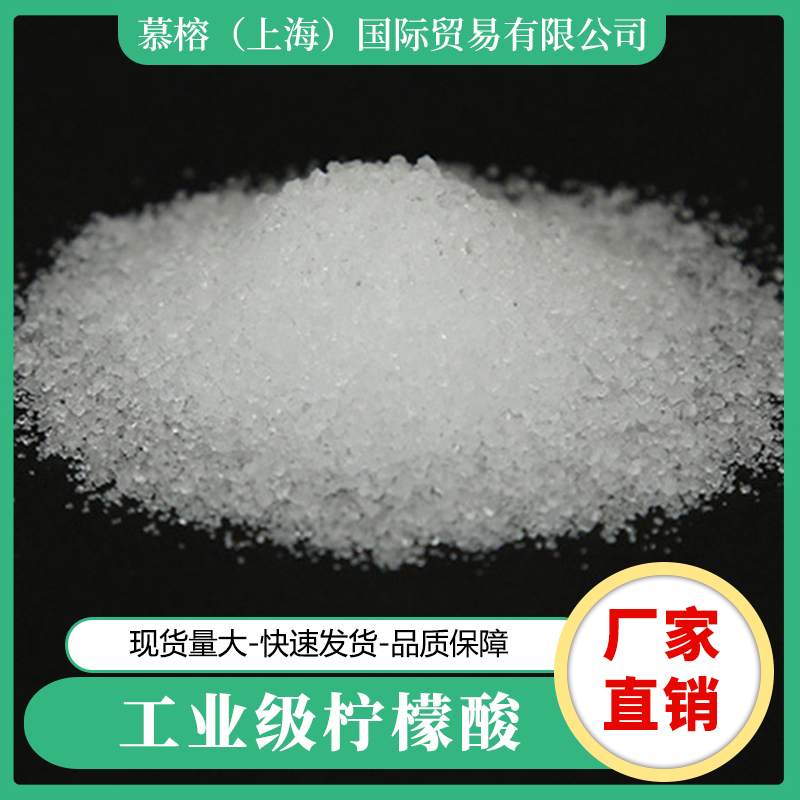
Japanese food manufacturers maintain stringent quality requirements for citric acid used in production. The standard food-grade specification includes minimum 99.5% purity with maximum limits for heavy metals (Pb < 2ppm, As < 1ppm) and sulfate content (< 0.03%). For applications requiring higher purity, pharmaceutical-grade citric acid monohydrate with 99.0-101.0% assay is available.
The particle size distribution significantly impacts dissolution rate and mixing efficiency. Standard grades include:
- Fine powder (80-200 mesh): Ideal for instant beverages and dry mixes
- Granular (10-60 mesh): Preferred for tablet compression and solid dosage forms
- Anhydrous crystals: Used in applications requiring minimal water content
Packaging requirements must align with Japanese distribution norms. Common options include 25kg multi-wall paper bags with PE liners for bulk shipments, and 1kg or 5kg retail packs for end consumers. All packaging should comply with JIS Z 0202 standards for moisture protection.
Key Applications in Japanese Food Industry
Citric acid serves multiple functions across Japan’s sophisticated food manufacturing sector:
Beverage Production: Accounts for approximately 45% of total consumption. Used as acidulant in carbonated drinks, fruit juices, and tea beverages to achieve optimal pH (typically 2.8-3.5) while enhancing natural fruit flavors. The anhydrous form is preferred for clear beverages to prevent cloudiness.
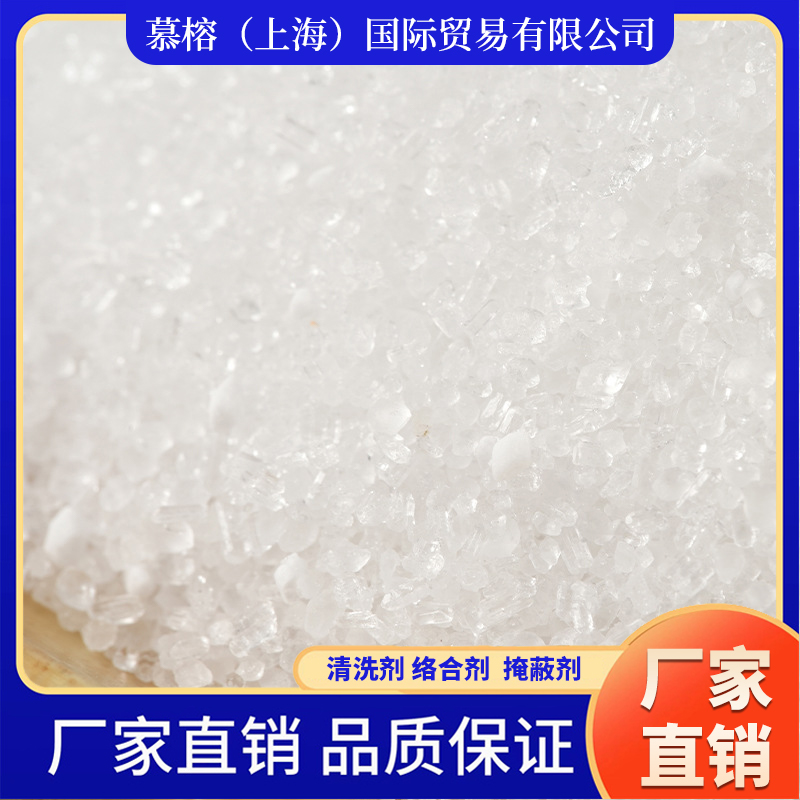
Confectionery Industry: Essential for candy production (30% market share) where it controls sugar crystallization and provides tartness. In gummies and jellies, citric acid works synergistically with pectin or gelatin to create the desired texture. The granular form enables precise dosage control during manufacturing.
Processed Foods: Used in canned vegetables (15% consumption) to maintain color and prevent enzymatic browning. In noodle products, citric acid enhances elasticity and shelf life by controlling pH levels. The baking industry utilizes it as a leavening agent accelerator in combination with sodium bicarbonate.
Dairy Applications: Approximately 10% of total usage goes into cheese making and yogurt production. Citric acid acts as a coagulant alternative to rennet in fresh cheeses, while in fermented dairy products it helps control bacterial growth and improve consistency.
Technical Parameters Comparison
The following table illustrates key differences between citric acid grades commonly used in Japan:
| Parameter | Food Grade | Pharmaceutical Grade | Technical Grade |
|---|---|---|---|
| Purity (%) | ≥99.5 | 99.0-101.0 | ≥98.0 |
| Heavy Metals (Pb) | <2ppm | <1ppm | <5ppm |
| Sulfate Content | <0.03% | <0.02% | <0.05% |
| Loss on Drying | ≤0.5% | ≤0.5% | ≤1.0% |
| Readily Carbonizable Substances | Passes test | Passes test | Not specified |
Evaluating Citric Acid Suppliers for Japanese Market
When selecting suppliers for Japan’s demanding market, several critical factors require evaluation:
Certification Compliance: The supplier must hold current certifications including ISO 9001 (quality management), ISO 22000 (food safety), and HACCP certification. For pharmaceutical applications, GMP compliance is mandatory. Japanese buyers frequently require additional documentation like material safety data sheets (MSDS) in Japanese and English.
Production Capacity: Japan’s large-scale food manufacturers require consistent supply volumes. Evaluate the supplier’s annual production capacity (typically measured in thousands of metric tons) and their ability to handle bulk orders with short lead times. Leading manufacturers in China now operate multiple production lines with combined capacities exceeding 100,000 MT/year.
Logistics Capabilities: Given Japan’s strict import regulations, the supplier must demonstrate experience with:
- Proper documentation for Japanese customs clearance
- Container loading procedures to prevent contamination
- Temperature-controlled transportation for sensitive grades
- Understanding of Japan’s Positive List System for food additives
Technical Support: The supplier should provide comprehensive technical assistance including:
- Application-specific dosage recommendations
- Compatibility testing with other ingredients
- Shelf-life extension solutions
- Troubleshooting for production issues
Murong (Shanghai) International Trading Co., Ltd. has established partnerships with multiple certified manufacturers in China, enabling us to offer competitive pricing while maintaining Japanese quality standards. Our team includes bilingual specialists familiar with both Chinese production norms and Japanese regulatory requirements.
FAQ
What certifications should Japanese buyers require for citric acid imports?
Essential certifications include ISO 9001, ISO 22000, HACCP, and Kosher/Halal for specific markets. Pharmaceutical-grade requires GMP certification. All documentation should include Japanese translations for customs clearance.
How does particle size affect citric acid performance in beverages?
Fine powder (200 mesh) dissolves rapidly in cold beverages but may cause cloudiness. Granular (40 mesh) provides controlled dissolution suitable for carbonated drinks. The anhydrous form remains clear in solution but requires precise dosage to avoid over-acidification.
What packaging options are available for sea freight to Japan?
Standard options include 25kg PE-lined paper bags for bulk shipments and 1kg/5kg aluminum foil bags for retail. For humidity control, some suppliers offer vacuum-sealed bags or desiccant packs. Container lining with PE film prevents moisture damage during transit.
How to verify the quality of citric acid before shipment?
Request pre-shipment samples for laboratory testing against JFSL (Japanese Food Sanitation Law) standards. Key tests include purity assay, heavy metal screening, and microbial count. Third-party inspection agencies like SGS or Intertek can provide independent verification.
What is the typical shelf life of citric acid under Japanese storage conditions?
Properly stored citric acid maintains quality for 3-5 years. Storage requirements include cool (15-25°C), dry (<60% RH) conditions away from direct sunlight. Containers must remain sealed to prevent moisture absorption and caking.
Summary
Selecting the right citric acid supplier for Japan requires careful consideration of quality specifications, application requirements, and regulatory compliance. By understanding the specific needs of different food sectors – from beverage production to confectionery manufacturing – buyers can make informed decisions about grade selection and packaging options. Partnering with experienced international traders like Murong (Shanghai) International Trading Co., Ltd. provides access to certified products, technical expertise, and reliable logistics solutions tailored to Japanese market demands. With proper supplier evaluation and quality control measures, international buyers can confidently source premium citric acid that meets Japan’s exacting standards for food safety and product performance.