
Water treatment systems in Japan are renowned for their efficiency and reliability, particularly when it comes to dual-layer and triple-layer filter media configurations. As a leading international supplier of water treatment materials based in Shanghai, Murong (Shanghai) International Trading Co., Ltd. has extensive experience in providing high-quality solutions for these advanced filtration systems. This comprehensive guide will walk you through the key considerations for selecting the right filter media for your Japan dual-layer or triple-layer water treatment system.
Understanding Japan Dual-Layer & Triple-Layer Filter Systems
Japan’s advanced water treatment technology has developed sophisticated multi-layer filtration systems that offer superior purification performance. These systems typically consist of two or three distinct filtration layers, each serving a specific purpose in the water treatment process.
The dual-layer system generally combines a coarse pre-filtration layer with a finer final filtration layer, while the triple-layer system adds an intermediate layer for enhanced purification. This multi-stage approach allows for more efficient removal of various contaminants, including suspended solids, organic matter, and specific chemical compounds.
The effectiveness of these systems depends heavily on the proper selection and combination of filter media materials. As an experienced supplier, we understand the unique requirements of Japanese water treatment standards and can provide tailored solutions to meet your specific needs.
Key Filter Media Options for Japan Water Treatment Systems
When selecting filter media for Japan dual-layer or triple-layer systems, several high-performance materials are commonly used. Each offers distinct advantages and is suitable for different applications within the filtration process.
1. Activated Carbon for Advanced Filtration
Activated carbon is a crucial component in many Japanese water treatment systems, particularly for removing organic contaminants, chlorine, and unpleasant odors or tastes. Our range of activated carbon products includes:
- Coconut shell granular activated carbon: Ideal for final filtration stages due to its high surface area and excellent adsorption capacity
- Powdered activated carbon: Effective for rapid removal of specific contaminants in batch treatment processes
- Columnar activated carbon: Provides consistent flow rates and is often used in intermediate filtration layers
- Spherical activated carbon: Offers low pressure drop and is suitable for compact filtration systems
- Honeycomb activated carbon: Designed for gas-phase filtration applications in water treatment plants
The choice of activated carbon type depends on your specific water quality requirements, flow rates, and system design. Our technical team can provide expert guidance on selecting the most appropriate activated carbon product for your Japan dual-layer or triple-layer system.
2. Polyacrylamide for Enhanced Coagulation
Polyacrylamide (PAM) plays a vital role in the pre-treatment stage of many water treatment systems by acting as a flocculant and coagulant aid. This synthetic polymer helps aggregate fine particles into larger flocs that can be more easily removed during subsequent filtration stages.
Our polyacrylamide products are available in various molecular weights and charge densities to suit different water treatment applications. For Japan dual-layer and triple-layer systems, we typically recommend:
| Product Type | Characteristics | Recommended Application |
|---|---|---|
| Anionic Polyacrylamide | High negative charge density | Pre-filtration stage for suspended solids removal |
| Cationic Polyacrylamide | High positive charge density | Treatment of organic-laden waters |
| Non-ionic Polyacrylamide | Neutral charge | Intermediate filtration for color removal |
Proper dosing and application of polyacrylamide are critical for optimal performance in Japan water treatment systems. Our team can provide detailed guidance on product selection and usage based on your specific water quality parameters.
3. Citric Acid for pH Adjustment and Scale Prevention
Maintaining the correct pH level is essential for the efficient operation of water treatment systems. Citric acid serves multiple purposes in Japan dual-layer and triple-layer filtration systems:
- pH adjustment: Helps maintain optimal conditions for coagulation and filtration processes
- Scale prevention: Inhibits the formation of mineral deposits on filter media and system components
- Complexation agent: Binds with certain metal ions to prevent interference with filtration processes
- Biodegradable alternative: Offers an environmentally friendly option compared to some synthetic chemicals
Our food-grade citric acid is suitable for use in potable water treatment applications and meets stringent international quality standards. We can provide citric acid in various forms, including anhydrous and monohydrate, to suit your specific system requirements.
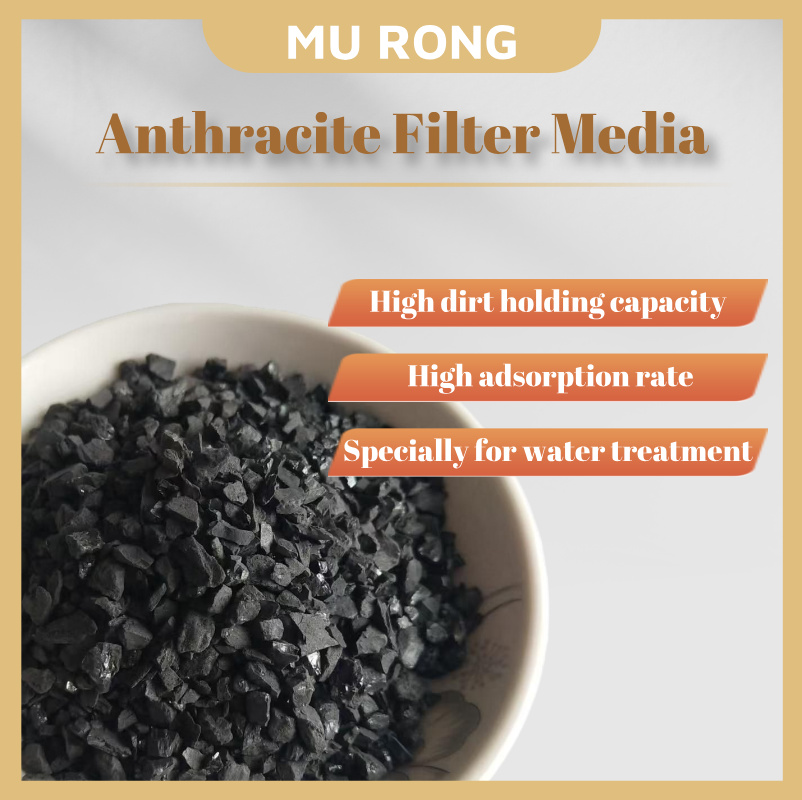
4. Anthracite Filter Media for Pre-Filtration
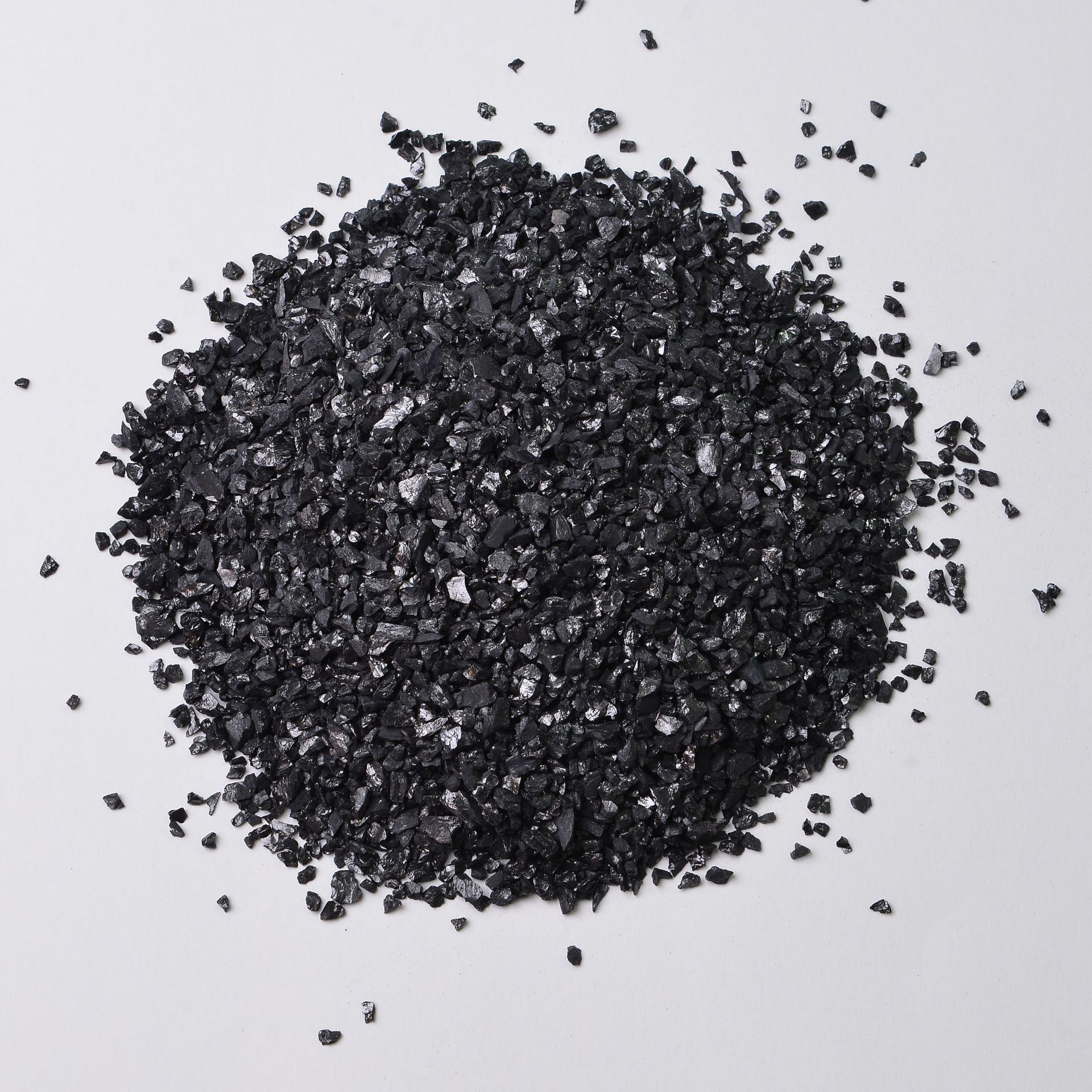
Anthracite coal is widely used as a pre-filtration medium in Japan water treatment systems due to its excellent mechanical properties and filtration efficiency. Our high-quality anthracite filter media offers several advantages:
- High hardness: Resists breakage and maintains consistent particle size distribution
- Low density: Provides good flow characteristics and reduces head loss
- Chemical stability: Withstands a wide range of pH conditions without degradation
- Effective filtration: Removes suspended solids and reduces turbidity in pre-filtration stages
When used in dual-layer or triple-layer systems, anthracite is typically placed in the upper layers to capture larger particles and protect finer filter media in subsequent stages. Our technical team can help determine the optimal anthracite particle size distribution for your specific application.
Selecting the Right Combination of Filter Media
The performance of Japan dual-layer and triple-layer water treatment systems depends on the careful selection and proper layering of filter media materials. Here are some key considerations for optimizing your filtration system:
1. Layer Sequencing
In a dual-layer system, the general principle is to place coarser media in the upper layer and finer media in the lower layer. For triple-layer systems, a common configuration is:
- Top layer: Coarse anthracite or other pre-filtration media
- Middle layer: Intermediate-sized media like sand or garnet
- Bottom layer: Fine activated carbon or other specialized media
This arrangement allows for progressive filtration, with each layer removing progressively smaller particles and contaminants. Our experts can help design the optimal layer configuration based on your specific water quality challenges and treatment objectives.
2. Media Compatibility
When selecting filter media for multi-layer systems, it’s essential to consider the compatibility of different materials. Factors to evaluate include:
- Density differences: Ensure proper settling and prevent media mixing
- Particle size distribution: Avoid excessive overlap or gaps between layers
- Chemical resistance: Verify that media can coexist without adverse reactions
- Flow characteristics: Maintain consistent hydraulic performance across layers
Our team can provide detailed compatibility analysis and recommendations to ensure your multi-layer filtration system operates smoothly and efficiently.
3. Backwash Requirements
Effective backwashing is crucial for maintaining the performance and longevity of filter media in Japan water treatment systems. Different media types have varying backwash requirements in terms of:
- Flow rate: Higher for coarser media, lower for finer media
- Duration: Longer for heavily loaded media, shorter for lightly loaded media
- Frequency: Based on influent water quality and system loading
We can provide guidance on developing appropriate backwash protocols for your specific multi-layer filtration system to ensure optimal performance and media life.
Quality Assurance and Technical Support
At Murong (Shanghai) International Trading Co., Ltd., we understand the importance of reliable, high-quality water treatment materials for the success of your projects. Our commitment to quality includes:
- Strict quality control processes for all products
- Compliance with international standards such as ISO, NSF, and AWWA
- Comprehensive product documentation and certifications
- Technical support from experienced water treatment professionals
- Flexible packaging options to meet your specific requirements
- Reliable logistics and timely delivery to global destinations
Our team works closely with clients to understand their unique needs and provide tailored solutions that optimize performance and cost-effectiveness. Whether you’re designing a new Japan dual-layer or triple-layer water treatment system or upgrading an existing facility, we have the expertise and product range to support your project.
FAQ
What are the main differences between dual-layer and triple-layer filter media systems?
Dual-layer systems typically consist of a coarse pre-filtration layer and a finer final filtration layer, offering a balance between contaminant removal and system complexity. Triple-layer systems add an intermediate filtration layer, providing enhanced purification capabilities for more demanding applications or higher-quality water requirements. The additional layer in triple-layer systems allows for more specialized filtration processes and often results in longer filter media life.
How do I determine the optimal particle size distribution for anthracite filter media in my system?
The optimal particle size distribution for anthracite filter media depends on several factors, including your specific water quality, flow rates, and the position of the anthracite layer in your multi-layer system. Generally, coarser anthracite (0.8-1.6 mm) is used in the top layer of dual-layer systems, while finer grades may be used in intermediate layers of triple-layer systems. Our technical team can analyze your system requirements and recommend the most appropriate particle size distribution for your application.
Can I mix different types of activated carbon in a multi-layer filtration system?
While it’s technically possible to mix different types of activated carbon in a multi-layer system, it’s generally not recommended due to potential differences in density, flow characteristics, and adsorption properties. Instead, we suggest using distinct layers of different activated carbon types, each selected for specific contaminant removal purposes. For example, you might use a coconut shell granular activated carbon in the final layer for taste and odor removal, with a different type in an intermediate layer for organic compound removal.
How often should I replace the filter media in my Japan dual-layer or triple-layer water treatment system?
The replacement frequency of filter media depends on several factors, including the quality of the influent water, the system’s operating conditions, and the specific media types used. As a general guideline, anthracite and sand media may last 5-10 years with proper maintenance, while activated carbon typically needs replacement every 1-3 years due to saturation of adsorption sites. Regular monitoring of pressure drop and water quality parameters can help determine the optimal replacement schedule for your specific system.
What are the advantages of using polyacrylamide in my water treatment system?
Polyacrylamide offers several advantages in water treatment systems, particularly in the pre-filtration stage. It acts as an effective flocculant, helping to aggregate fine particles into larger flocs that can be more easily removed during subsequent filtration. This improves overall system efficiency, reduces the load on downstream filter media, and can extend the life of your filtration system. Additionally, polyacrylamide can help reduce turbidity and improve water clarity, which is particularly important for potable water treatment applications.
Summary
Selecting the right filter media for Japan dual-layer and triple-layer water treatment systems is crucial for achieving optimal performance and water quality. By understanding the unique properties and applications of activated carbon, polyacrylamide, citric acid, and anthracite filter media, you can design a filtration system that effectively removes a wide range of contaminants while maintaining efficient operation.
As a trusted supplier of high-quality water treatment materials, Murong (Shanghai) International Trading Co., Ltd. is committed to providing comprehensive solutions for your filtration needs. Our experienced team can guide you through the process of selecting, combining, and implementing the most appropriate filter media for your specific application, ensuring that your Japan dual-layer or triple-layer water treatment system operates at peak efficiency.
Contact us today to discuss your water treatment requirements and discover how our premium products and expert support can help you achieve your water quality goals.