
Citric acid plays a crucial role in the food and beverage industry worldwide, particularly in Japan where quality standards are exceptionally high. As a key ingredient for flavor enhancement, preservation, and pH adjustment, citric acid demand continues to grow across various industrial sectors. This comprehensive guide examines Japan’s citric acid market, helping international buyers identify reliable suppliers, understand quality parameters, and make informed purchasing decisions.

Understanding Citric Acid Applications in Japan
In Japan’s sophisticated food processing industry, citric acid serves multiple functions beyond basic flavor enhancement. The compound’s versatility makes it indispensable in beverage production, confectionery manufacturing, and canned food preservation. Japanese food manufacturers particularly value citric acid’s ability to provide tartness without adding sodium, making it ideal for health-conscious products.
The pharmaceutical sector also relies heavily on citric acid for effervescent tablet formulations and as a buffering agent in various medications. In the cleaning industry, citric acid’s natural chelating properties make it effective for removing limescale and rust without harsh chemicals. This multi-industry demand drives Japan’s citric acid market to maintain stringent quality standards that international buyers should understand when evaluating suppliers.
Key Criteria for Selecting Citric Acid Suppliers in Japan
When sourcing citric acid from Japan, several critical factors determine supplier reliability and product quality. First, verify manufacturing certifications – reputable suppliers should hold ISO 9001 for quality management and ISO 22000 or FSSC 22000 for food safety. For pharmaceutical applications, additional GMP certification is essential.
Production capacity represents another vital consideration. Japan’s leading manufacturers typically operate multiple production lines with annual capacities exceeding 10,000 metric tons. This scale ensures consistent supply even during peak demand periods. Evaluate the supplier’s raw material sourcing – high-quality corn or molasses substrates produce purer citric acid with fewer impurities.
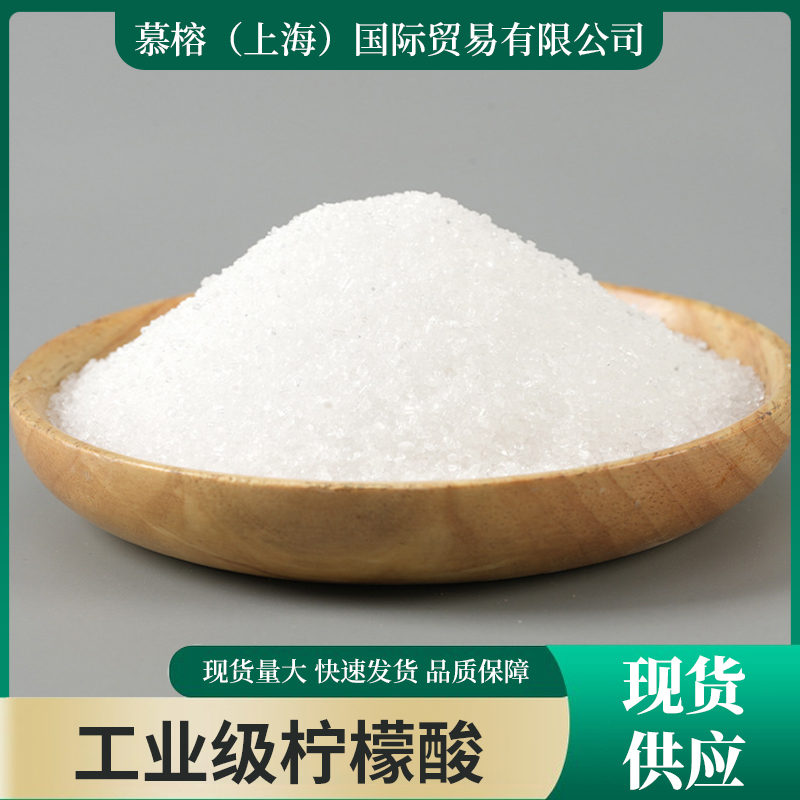
Technical Specifications Comparison
Japanese citric acid manufacturers adhere to precise technical specifications that international buyers should understand:
| Parameter | Food Grade Standard | Industrial Grade Standard |
|---|---|---|
| Citric Acid Content | ≥99.5% | ≥99.0% |
| Heavy Metals (Pb) | ≤2 mg/kg | ≤5 mg/kg |
| Sulfate Ash | ≤0.05% | ≤0.1% |
| Water Insoluble | ≤0.02% | ≤0.05% |
Japan’s Top Citric Acid Manufacturers Review
Several Japanese companies dominate the domestic citric acid market while serving international clients. Mitsubishi Chemical Corporation stands out with its vertically integrated production process, ensuring complete quality control from raw material sourcing to final packaging. Their food-grade citric acid meets both JAS (Japanese Agricultural Standards) and EU regulations.
Another major player, Fuso Chemical, specializes in anhydrous citric acid production using advanced fermentation technology. Their state-of-the-art facility in Osaka achieves 99.8% purity levels consistently. For bulk buyers, Nippon Shokubai offers competitive pricing on container-load quantities with flexible delivery schedules to major ports worldwide.
Smaller specialized manufacturers like Junsei Chemical provide niche advantages like custom particle sizing for specific industrial applications. These companies often prove more flexible for smaller orders while maintaining comparable quality standards to larger corporations.
Pricing Trends and Bulk Purchase Considerations
Citric acid pricing in Japan follows global market trends but typically maintains a premium due to stringent quality controls. As of 2024, food-grade citric acid prices range from $1,200 to $1,500 per metric ton FOB Japan, depending on order volume and packaging requirements. Industrial-grade citric acid commands slightly lower prices, averaging $1,000 to $1,300 per ton.
Bulk purchasers should consider several cost factors beyond the base price. Container loading fees, documentation charges for export compliance, and potential anti-dumping duties in destination countries all impact final costs. Establishing long-term contracts with Japanese suppliers often yields volume discounts and priority production scheduling.
FAQ
What certifications should Japanese citric acid suppliers have for food applications?
Reputable Japanese suppliers should hold ISO 22000 or FSSC 22000 food safety certification, JAS (Japanese Agricultural Standards) compliance, and Halal/Kosher certifications for specific markets. For export to the EU, suppliers need REACH registration and for the US market, FDA GRAS status verification.
How does Japanese citric acid quality compare to Chinese production?
Japanese citric acid generally maintains higher purity levels (99.5%+ vs 99.0% typical in China) with stricter heavy metal controls. Japanese manufacturers also offer better production consistency and more reliable supply chains, though at higher pricing. Chinese products often prove more cost-effective for non-critical industrial applications.
What packaging options are available for bulk citric acid exports from Japan?
Standard packaging includes 25kg multi-wall paper bags with PE liners for food-grade products. For industrial applications, suppliers offer 1,000kg bulk bags or even direct tanker truck loading for very large orders. Some manufacturers provide customized packaging solutions for specific client requirements.
How long does it typically take to receive a citric acid shipment from Japan?
Delivery times vary by destination port and shipping method. For West Coast US ports, expect 18-22 days by sea. European destinations typically require 30-35 days. Air freight options exist for urgent orders but significantly increase costs. Reputable suppliers provide detailed shipping schedules during quotation stages.
What payment terms are common for Japanese citric acid suppliers?
Standard payment terms include 30% advance with order confirmation and 70% balance before shipment against shipping documents. For established clients, some suppliers offer extended payment terms up to 90 days after bill of lading date. Letter of credit (LC) payments remain common for new international business relationships.
Summary
Selecting the right citric acid supplier in Japan requires careful evaluation of quality certifications, production capacity, and technical specifications. While Japanese products command premium pricing, the consistent quality and reliable supply justify the investment for demanding food and pharmaceutical applications. International buyers should prioritize suppliers with transparent manufacturing processes, comprehensive documentation, and proven export experience. By understanding Japan’s citric acid market dynamics and key selection criteria, global purchasers can establish mutually beneficial partnerships with Japanese manufacturers that ensure long-term supply stability and product quality.