
Water quality management remains a critical concern for industrial and municipal applications across Japan. As industries evolve and environmental standards become more stringent, selecting the right water clarification solutions becomes essential for maintaining operational efficiency and regulatory compliance. This comprehensive guide explores the most effective water treatment materials available for Japanese applications, focusing on industrial-grade products that deliver consistent performance and reliability.
Understanding Japan’s Water Clarification Requirements
Japan’s unique geographical and industrial landscape creates specific challenges for water treatment professionals. The country’s advanced manufacturing sector, combined with strict environmental regulations, demands water clarification solutions that can handle diverse contaminants while maintaining operational efficiency. From semiconductor manufacturing facilities requiring ultra-pure water to food processing plants needing reliable disinfection, each application presents distinct requirements that must be addressed through specialized treatment approaches.
The Japanese market places particular emphasis on product quality, consistency, and technical support when selecting water clarification materials. Suppliers must demonstrate comprehensive understanding of local regulations, including the Water Pollution Control Law and various industrial standards specific to different sectors. This regulatory environment makes partnering with experienced, internationally certified suppliers essential for successful water treatment projects.
Core Water Clarification Materials for Japanese Applications
Several key materials form the foundation of effective water clarification systems in Japan. Each product offers specific advantages depending on the application requirements, water quality parameters, and operational constraints:
1. Industrial Activated Carbon Solutions
Activated carbon remains one of the most versatile and effective materials for water clarification in Japan. Our range includes:
- Coconut Shell Activated Carbon: Ideal for drinking water applications due to its high purity and excellent adsorption capacity for organic contaminants
- Columnar Activated Carbon: Engineered for consistent flow rates in industrial filtration systems, with excellent mechanical strength
- Spherical Activated Carbon: Designed for specialized applications requiring uniform particle size and controlled porosity
- Honeycomb Activated Carbon: Optimized for gas-phase applications and air purification systems commonly found in Japanese manufacturing facilities
These products undergo rigorous quality control processes to meet Japan’s stringent standards for heavy metal content, ash percentage, and iodine number. The coconut shell variant particularly excels in removing chlorine, volatile organic compounds (VOCs), and taste/odor compounds from water supplies.
2. Polyacrylamide for Enhanced Coagulation
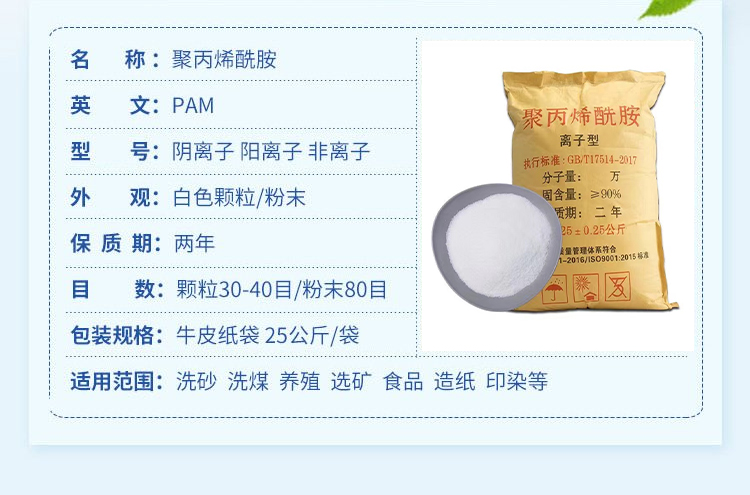
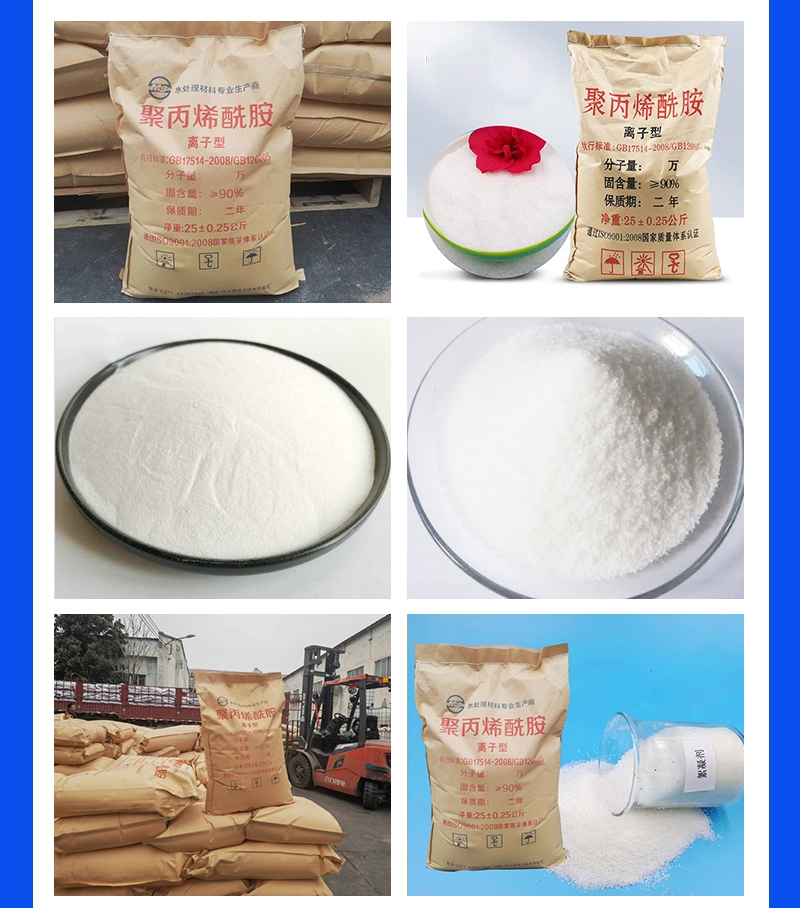
Our polyacrylamide products offer superior performance in Japanese water treatment applications requiring effective solids removal and water clarification. Available in both anionic and cationic formulations, these polymers help:
- Improve floc formation in wastewater treatment plants
- Enhance sedimentation rates in industrial process water
- Reduce sludge volume in municipal treatment facilities
- Optimize dewatering processes for better water recovery
The molecular weight and charge density of our polyacrylamide products can be customized to match specific water quality parameters, ensuring optimal performance across diverse applications. This adaptability makes them particularly valuable for Japan’s varied industrial landscape, where treatment requirements can vary significantly between sectors.
3. Specialized Chemical Solutions
Complementing our core materials, we offer additional chemical solutions essential for comprehensive water clarification:
| Product | Key Benefits | Japanese Applications |
|---|---|---|
| Citric Acid | Natural chelating agent, biodegradable | Food processing, boiler water treatment |
| Anthracite Filter Media | High hardness, excellent filtration capacity | Multi-media filtration systems |
| Polyaluminum Chloride | Effective coagulant, low corrosivity | Municipal wastewater treatment |
| Sodium Hydroxide | pH adjustment, neutralization | Industrial process water treatment |
Selecting the Right Water Clarification Supplier for Japan
Choosing a reliable partner for water treatment materials requires careful evaluation of several critical factors:
Product Quality Certification: Ensure suppliers maintain ISO certifications and can provide detailed product specifications meeting Japanese standards. Look for materials that comply with JIS (Japanese Industrial Standards) where applicable.
Technical Support Capabilities: The supplier should offer comprehensive technical support, including application engineering assistance, dosage recommendations, and troubleshooting guidance. This is particularly important for complex industrial applications.
Supply Chain Reliability: Given Japan’s emphasis on consistent product availability, evaluate the supplier’s production capacity, inventory management systems, and logistics capabilities to ensure timely deliveries.
Environmental Compliance: Verify that all materials comply with Japan’s environmental regulations, including proper documentation for hazardous materials transportation and disposal where applicable.
FAQ
What makes coconut shell activated carbon superior for Japanese drinking water applications?
Coconut shell activated carbon offers exceptional purity with minimal ash content, making it ideal for potable water treatment. Its micro-porous structure provides superior adsorption of organic contaminants, chlorine, and taste/odor compounds while maintaining high mechanical strength for consistent performance in filtration systems.
How do I determine the right polyacrylamide formulation for my Japanese industrial application?
Selection depends on your specific water quality parameters and treatment objectives. Anionic polyacrylamide works best for negatively charged particles in neutral to alkaline conditions, while cationic formulations excel with positively charged colloids. Our technical team can analyze your water samples and recommend the optimal product based on charge density and molecular weight requirements.
What documentation should I expect from a reliable water treatment material supplier for Japan?
Reputable suppliers should provide comprehensive product specifications, safety data sheets (SDS), certificates of analysis, and compliance documentation for relevant standards like JIS or ISO certifications. For hazardous materials, proper transportation documentation and disposal guidelines should also be included.
How does anthracite filter media compare to other filtration options for Japanese water systems?
Anthracite offers excellent filtration capacity with high hardness and resistance to abrasion, making it ideal for multi-media filtration systems. Compared to sand, it provides better solids removal while maintaining longer service life. Its density allows for effective backwashing without excessive water consumption.
Summary
Effective water clarification in Japan requires selecting materials that meet the country’s stringent quality standards while addressing specific application requirements. From industrial activated carbon solutions to specialized chemical coagulants, the right combination of products can significantly improve water quality across diverse applications. Partnering with an experienced supplier that understands Japanese regulations and industrial needs ensures access to reliable materials, comprehensive technical support, and consistent supply chain performance. By focusing on quality-certified products and establishing strong supplier relationships, water treatment professionals in Japan can achieve optimal clarification results while maintaining regulatory compliance and operational efficiency.