
When it comes to enhancing flavors in the food industry, citric acid stands out as a versatile and essential ingredient. Whether you’re a food manufacturer, a chef, or a home cook, understanding the nuances of citric acid can significantly elevate your culinary creations. In Japan, where precision and quality are paramount, finding a reliable supplier of citric acid is crucial. This comprehensive guide will walk you through everything you need to know about citric acid for flavor enhancement, focusing on the Japanese market.
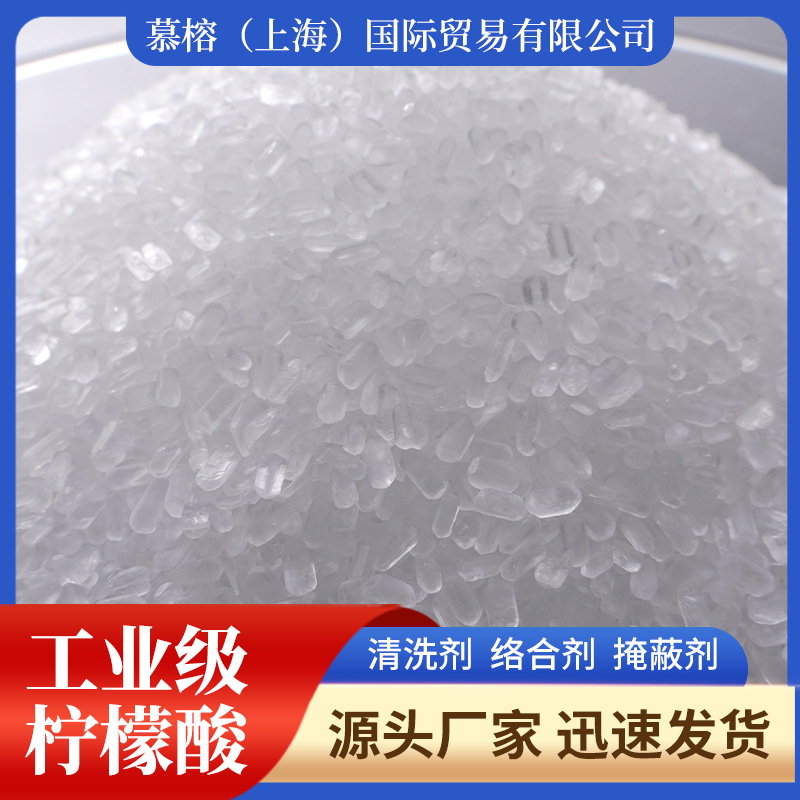
Understanding Citric Acid and Its Role in Flavor Enhancement
Citric acid is a weak organic acid naturally found in citrus fruits like lemons, limes, and oranges. It’s widely used in the food industry as a preservative, flavoring agent, and pH adjuster. When it comes to flavor enhancement, citric acid plays a pivotal role by adding a tart, refreshing taste to various food products. Its ability to balance sweetness and mask unpleasant flavors makes it indispensable in confectionery, beverages, and processed foods.
In Japan, where culinary traditions emphasize subtlety and balance, citric acid is used judiciously to achieve the perfect flavor profile. From traditional Japanese sweets to modern snack foods, citric acid helps create a harmonious taste experience that appeals to local and international palates alike.
Applications of Citric Acid in the Japanese Food Industry
The applications of citric acid in the Japanese food industry are diverse and extensive. Here are some key areas where citric acid plays a vital role:
- Beverages: Citric acid is commonly added to soft drinks, fruit juices, and sports drinks to enhance their tartness and freshness. It also acts as a natural preservative, extending the shelf life of these products.
- Confectionery: In candies, gummies, and other sweets, citric acid provides a tangy flavor that complements sweetness. It’s also used in chewing gum to stimulate saliva production and freshen breath.
- Processed Foods: Citric acid is used in canned fruits, vegetables, and sauces to prevent discoloration and maintain texture. It also helps stabilize emulsions in dressings and sauces.
- Dairy Products: In yogurt and cheese production, citric acid aids in coagulation and contributes to the final product’s flavor and texture.
- Japanese Traditional Foods: Citric acid is used in the production of traditional Japanese sweets like yokan (red bean jelly) and warabimochi (bracken starch dumplings) to add a refreshing tartness.

Selecting the Right Citric Acid Supplier in Japan
Choosing a reliable citric acid supplier in Japan is essential to ensure the quality and consistency of your food products. Here are some key factors to consider when selecting a supplier:
- Quality Certification: Look for suppliers who adhere to international quality standards like ISO, HACCP, and GMP. These certifications indicate that the supplier follows strict quality control measures in their production processes.
- Product Purity: Ensure that the citric acid offered by the supplier is of high purity, free from contaminants and impurities. High-purity citric acid is crucial for maintaining the flavor and safety of your food products.
- Supply Chain Transparency: Choose a supplier who provides transparency in their supply chain, allowing you to trace the origin of the citric acid. This is particularly important for food manufacturers who need to comply with regulatory requirements.
- Technical Support: A good supplier should offer technical support and guidance on the use of citric acid in your specific applications. This can help you optimize your formulations and achieve the desired flavor profile.
- Reputation and Reviews: Research the supplier’s reputation in the market by reading reviews and testimonials from other customers. A supplier with a positive track record is more likely to provide consistent quality and reliable service.
Price Factors Affecting Citric Acid in Japan
The price of citric acid in Japan can vary depending on several factors. Understanding these factors can help you make informed purchasing decisions and manage your costs effectively:
- Raw Material Costs: The cost of citric acid is influenced by the price of raw materials like corn and molasses, which are used in its production. Fluctuations in these commodity prices can impact the final cost of citric acid.
- Production Capacity: Suppliers with larger production capacities may offer more competitive prices due to economies of scale. However, it’s essential to balance cost with quality and reliability when choosing a supplier.
- Market Demand: High demand for citric acid in the food industry can drive up prices, especially during peak seasons or when there are supply shortages. Monitoring market trends can help you anticipate price changes and plan your purchases accordingly.
- Transportation and Logistics:
- Currency Exchange Rates: For international buyers, fluctuations in currency exchange rates can impact the cost of importing citric acid from Japan. Keeping an eye on exchange rates can help you time your purchases to take advantage of favorable rates.
The cost of transporting citric acid from the supplier to your location can also affect the final price. Consider suppliers who offer efficient and cost-effective logistics solutions to minimize transportation costs.
FAQ
What is the best citric acid supplier in Japan for the food industry?
The best citric acid supplier in Japan for the food industry is one that offers high-purity products, adheres to international quality standards, and provides excellent technical support. Companies like Murong (Shanghai) International Trading Co., Ltd., which has a strong presence in the Japanese market, are known for their reliable supply and quality assurance.
How can I ensure the quality of citric acid purchased in Japan?
To ensure the quality of citric acid purchased in Japan, look for suppliers who have certifications like ISO, HACCP, and GMP. Additionally, request product specifications and certificates of analysis to verify the purity and quality of the citric acid. Conducting regular audits of your supplier’s facilities can also help maintain quality standards.
What are the common applications of citric acid in Japanese cuisine?
Citric acid is commonly used in Japanese cuisine to add a tart flavor to traditional sweets like yokan and warabimochi. It’s also used in the production of pickles, sauces, and dressings to enhance their flavor and preserve freshness. In modern Japanese cooking, citric acid is used in a variety of processed foods and beverages.
How does the price of citric acid in Japan compare to other countries?
The price of citric acid in Japan can be higher compared to some other countries due to factors like production costs, market demand, and transportation expenses. However, Japanese suppliers often offer high-quality products that justify the premium price. It’s essential to consider the overall value, including quality and reliability, when comparing prices across different countries.
What should I consider when importing citric acid from Japan?
When importing citric acid from Japan, consider factors like the supplier’s reputation, product quality, and compliance with regulatory requirements. Additionally, evaluate the cost of transportation, customs duties, and currency exchange rates to ensure that importing is cost-effective for your business. Working with a reliable freight forwarder can help streamline the import process.
Summary
Citric acid plays a vital role in enhancing flavors in the Japanese food industry. From traditional sweets to modern processed foods, citric acid adds a refreshing tartness that complements sweetness and balances flavors. When selecting a citric acid supplier in Japan, prioritize quality, purity, and technical support to ensure the consistency and safety of your food products. Understanding the factors that affect citric acid prices can help you manage costs effectively and make informed purchasing decisions. By choosing a reliable supplier and optimizing your use of citric acid, you can elevate the flavor profile of your culinary creations and meet the high standards of the Japanese market.