
Maintaining clean and safe water systems is crucial for both residential and industrial applications in Japan. With increasing environmental concerns and stringent regulations, businesses and municipalities are seeking reliable solutions for water treatment maintenance. This comprehensive guide explores the key aspects of water system maintenance in Japan, including common challenges, professional services, and essential chemicals used in the process.
Understanding Water System Maintenance in Japan
Water system maintenance in Japan encompasses a wide range of services designed to ensure the quality and safety of water supplies. This includes regular inspection, cleaning, repair, and replacement of components in water treatment facilities, distribution networks, and end-user systems. The goal is to prevent contamination, reduce water loss, and maintain optimal performance of the entire water infrastructure.
Japanese water authorities and private companies adhere to strict standards set by the Waterworks Law and other regulations. These standards cover everything from water source protection to treatment processes and distribution system management. Regular maintenance is essential to comply with these regulations and provide citizens with safe, clean drinking water.
Key Chemicals for Water Treatment Maintenance
Several specialized chemicals play a vital role in maintaining water quality in Japan. These substances help remove contaminants, prevent corrosion, and control microbial growth in water systems. Let’s explore some of the most important chemicals used in Japanese water treatment maintenance:
1. Industrial Activated Carbon
Activated carbon is widely used in Japan for water purification and decolorization. Its porous structure effectively adsorbs organic compounds, chlorine, and other impurities from water. There are several types of activated carbon used in water treatment:
- Coconut shell granular activated carbon: Known for its high hardness and large surface area, ideal for removing taste and odor compounds
- Powdered activated carbon: Used for emergency treatment of water supplies during contamination events
- Columnar activated carbon: Often used in fixed-bed filters for continuous water purification
- Spherical activated carbon: Provides uniform flow characteristics in specialized filtration systems
- Honeycomb activated carbon: Used in gas-phase applications for air purification in water treatment facilities
2. Polyacrylamide
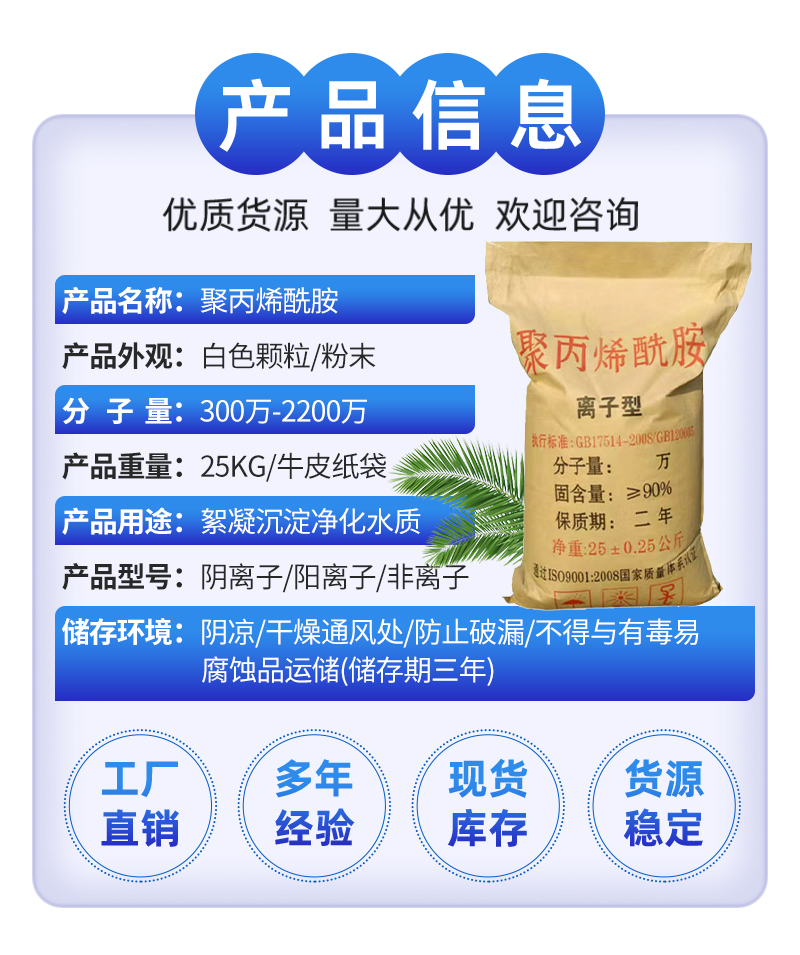
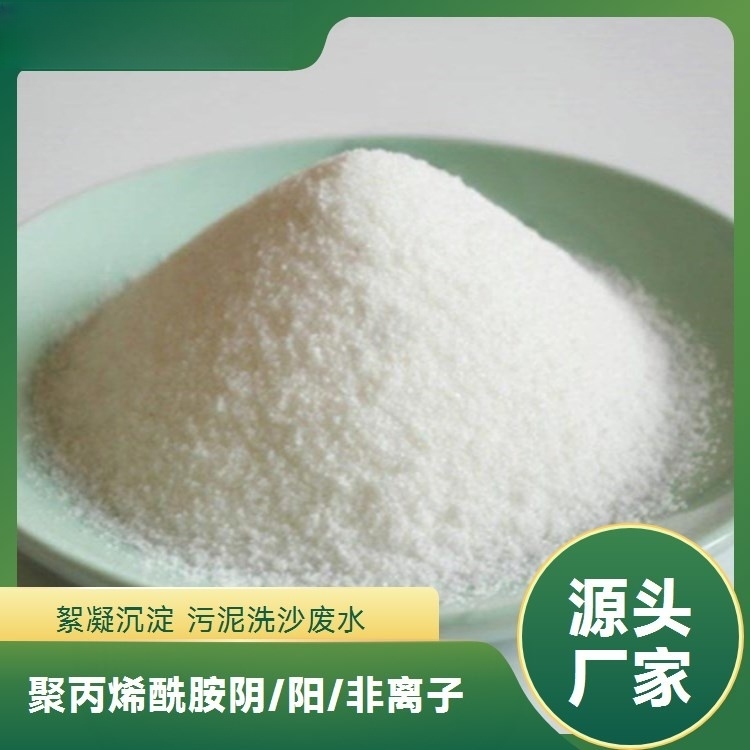
Polyacrylamide (PAM) is a crucial flocculant used in water and wastewater treatment processes across Japan. It helps aggregate fine particles into larger flocs that can be more easily removed through sedimentation or filtration. Key applications include:
- Municipal wastewater treatment plants
- Industrial effluent treatment
- Sludge dewatering processes
- Drinking water purification
Japanese water treatment professionals carefully select the appropriate molecular weight and charge density of polyacrylamide based on the specific characteristics of the water being treated.
3. Citric Acid
Citric acid serves multiple purposes in water system maintenance in Japan:
- pH adjustment: Helps maintain optimal pH levels in water treatment processes
- Scale removal: Effective for dissolving calcium carbonate and other mineral deposits in pipes and equipment
- Chelation: Binds with metal ions to prevent scaling and corrosion
- Biodegradable cleaning: Used as an environmentally friendly alternative to harsh chemicals for equipment cleaning
4. Anthracite Filter Media
Anthracite coal is widely used as a filter media in Japanese water treatment systems due to its:
- High carbon content and low ash content
- Excellent filtration properties for suspended solids removal
- Durability and long service life
- Compatibility with other filter media in multi-layer filtration systems
Anthracite is often used in rapid gravity filters and other filtration systems to polish water after primary treatment processes.
Professional Water System Maintenance Services in Japan
Several specialized companies in Japan offer comprehensive water system maintenance services. These services typically include:
| Service Type | Description |
|---|---|
| Preventive Maintenance | Regular inspections, cleaning, and component replacement to prevent failures |
| Corrective Maintenance | Repair of failed equipment or systems to restore functionality |
| Chemical Supply | Provision of high-quality water treatment chemicals like activated carbon and polyacrylamide |
| System Optimization | Analysis and improvement of water treatment processes for better efficiency |
| Emergency Response | Rapid intervention for water contamination events or system failures |
Choosing the Right Water Treatment Chemical Supplier in Japan
When selecting a supplier for water treatment chemicals in Japan, consider the following factors:
- Product quality: Ensure the supplier provides chemicals that meet Japanese industrial standards (JIS) or other relevant certifications
- Reliability: Look for suppliers with a proven track record of consistent supply and on-time delivery
- Technical support: Choose companies that offer expert advice on chemical selection and application
- Environmental compliance: Verify that the supplier’s products and processes comply with Japan’s strict environmental regulations
- Cost-effectiveness: Compare pricing while considering the total cost of ownership, including application efficiency and waste disposal
FAQ
What are the most common water treatment chemicals used in Japan?
The most commonly used water treatment chemicals in Japan include activated carbon for adsorption, polyacrylamide for flocculation, citric acid for pH adjustment and scale removal, anthracite filter media for filtration, and various coagulants like aluminum sulfate. These chemicals are carefully selected based on the specific water quality challenges and treatment requirements of each application.
How often should water systems be maintained in Japan?
The frequency of water system maintenance in Japan depends on several factors including system type, water quality, usage patterns, and regulatory requirements. Generally, preventive maintenance is performed on a quarterly or biannual basis, with more frequent inspections for critical components. Some systems may require monthly chemical cleaning or other maintenance procedures to prevent scaling or biofouling.
What certifications should water treatment chemicals have in Japan?
Water treatment chemicals in Japan should comply with relevant Japanese Industrial Standards (JIS) and other regulations such as the Water Pollution Control Law. For drinking water applications, chemicals must meet the standards set by the Ministry of Health, Labour and Welfare. Look for products with JIS certification, Food Additive approval (where applicable), and compliance with other relevant environmental and safety standards.
Can citric acid be used for descaling in all types of water systems?
Citric acid is effective for descaling in many water systems but may not be suitable for all applications. It works well for removing calcium carbonate and other alkaline scales. However, for more stubborn scales or in systems with specific material constraints, other acids like sulfuric or hydrochloric acid might be more appropriate. Always consult with a water treatment expert before selecting a descaling agent for your specific system in Japan.
What is the shelf life of polyacrylamide used in water treatment?
The shelf life of polyacrylamide used in water treatment in Japan typically ranges from 2 to 3 years when stored properly in a cool, dry place away from direct sunlight. Proper storage conditions are crucial to maintain the effectiveness of the flocculant. Exposure to moisture or extreme temperatures can reduce its performance and shorten its usable life.
Summary
Effective water system maintenance in Japan requires a combination of professional services and high-quality chemicals. From activated carbon for adsorption to polyacrylamide for flocculation, the right chemicals play a crucial role in maintaining water quality. Japanese companies specializing in water treatment maintenance offer comprehensive solutions that include regular inspection, cleaning, repair, and chemical supply services. By understanding the specific needs of your water system and working with reputable suppliers, you can ensure clean, safe water while complying with Japan’s strict environmental regulations.