
Maintaining efficient water treatment systems is crucial for industries relying on clean water for their operations. In Japan, double-layer and triple-layer filters are widely used for their effectiveness in removing impurities and ensuring water quality. This comprehensive guide will explore the maintenance, repair, and replacement services for these filter systems, focusing on the best practices and products available in the market.
Understanding Japan Double-Layer and Triple-Layer Filters
Japan double-layer and triple-layer filters are advanced water treatment systems designed to remove various contaminants from water. These filters consist of multiple layers of filtration media, each serving a specific purpose in the purification process. The double-layer filter typically includes a coarse filtration layer followed by a finer filtration layer, while the triple-layer filter adds an additional layer for enhanced purification.
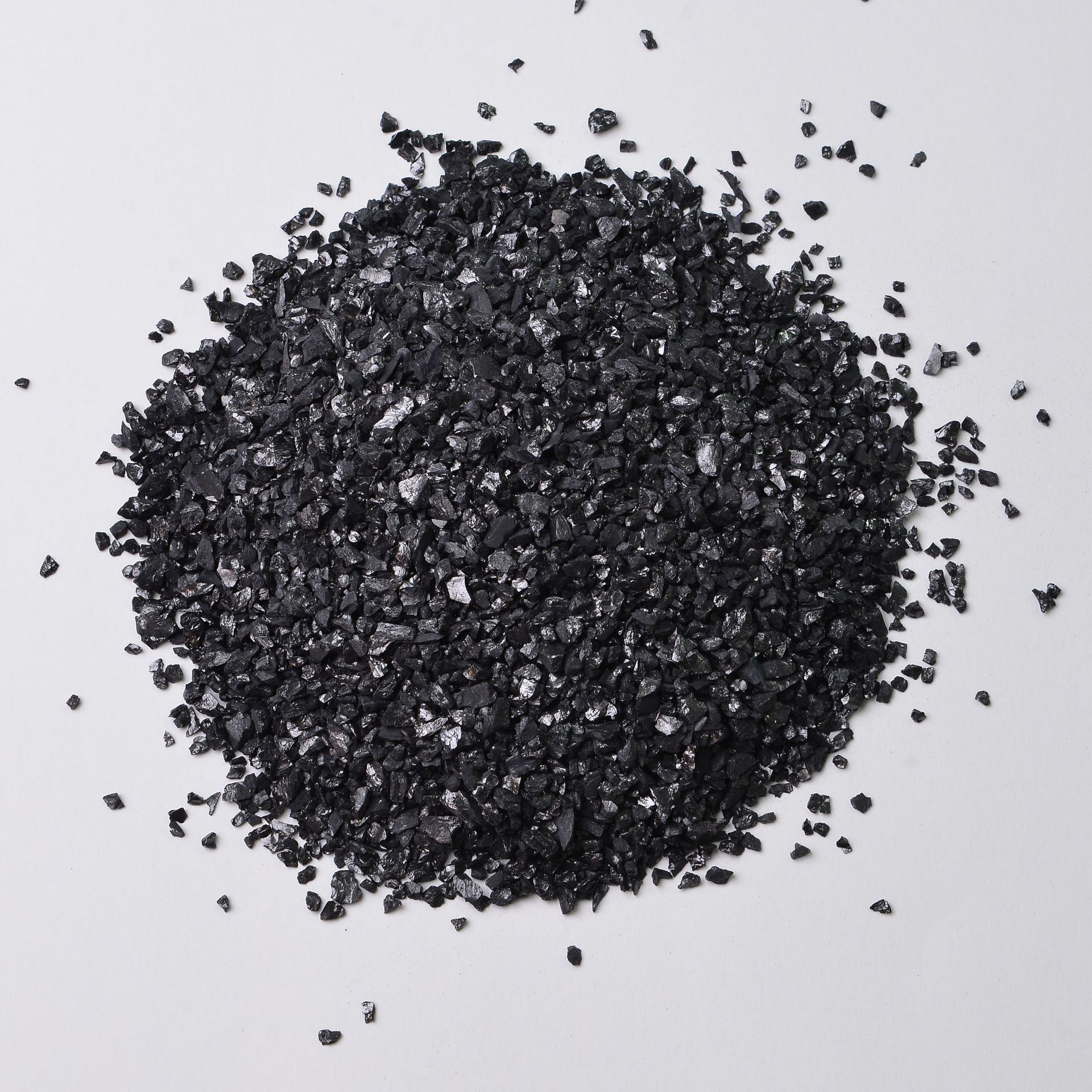
The primary components of these filters include activated carbon, sand, gravel, and other specialized media. The choice of filtration media depends on the specific water quality requirements and the types of contaminants present in the water source. Industrial activated carbon, for instance, is highly effective in removing organic compounds, chlorine, and odors from water.
Maintenance and Care for Japan Filters
Regular maintenance is essential to ensure the optimal performance and longevity of Japan double-layer and triple-layer filters. Proper maintenance practices include routine inspections, cleaning, and replacement of worn-out components. Here are some key maintenance tasks to consider:
1. Routine Inspections
Regular inspections help identify potential issues before they escalate into major problems. During inspections, check for signs of wear and tear, leaks, and blockages in the filter system. Pay close attention to the condition of the filtration media, as worn-out or clogged media can significantly reduce the filter’s efficiency.
2. Cleaning the Filter System
Cleaning the filter system involves removing accumulated debris and contaminants from the filtration media. This can be done through backwashing, a process that reverses the flow of water through the filter to dislodge and flush out trapped particles. Additionally, chemical cleaning agents can be used to dissolve stubborn deposits and restore the filter’s performance.
3. Replacing Filtration Media
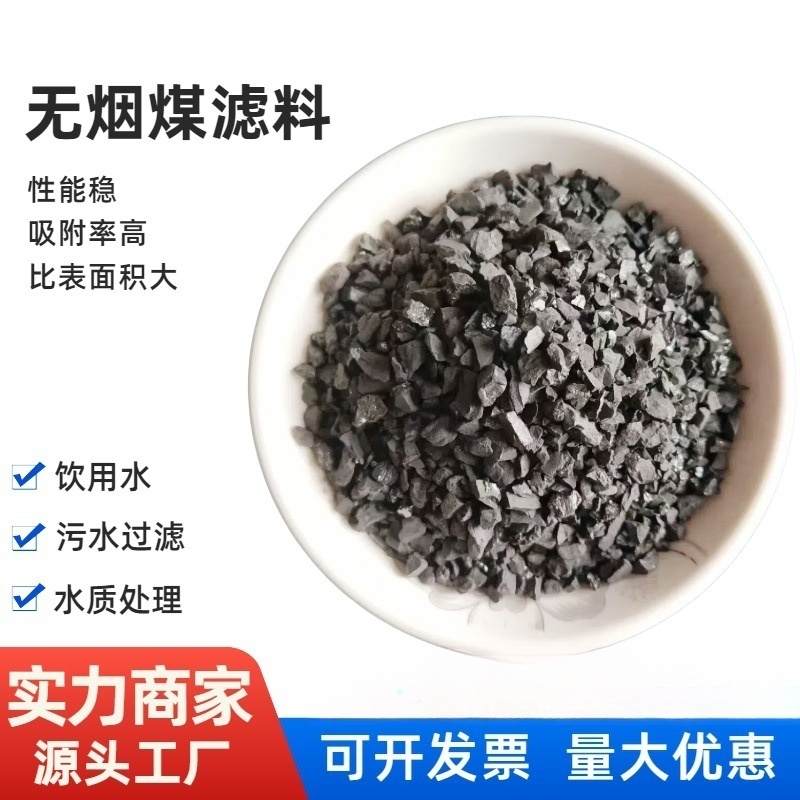
Over time, the filtration media in Japan double-layer and triple-layer filters will become exhausted and lose their effectiveness. It is crucial to replace the media periodically to maintain the filter’s performance. The replacement frequency depends on factors such as the quality of the incoming water, the type of filtration media used, and the filter’s operating conditions.
Choosing the Right Filtration Media
Selecting the appropriate filtration media is vital for the efficient operation of Japan double-layer and triple-layer filters. Here are some commonly used media and their applications:
- Activated Carbon: Industrial activated carbon is highly effective in removing organic compounds, chlorine, and odors from water. It is available in various forms, including coconut shell activated carbon, which is known for its high porosity and adsorption capacity.
- Sand and Gravel: These materials are used as support layers in the filter system, helping to distribute water evenly and prevent the loss of finer filtration media. They also aid in the removal of larger particles and sediments.
- Polyacrylamide: This water-soluble polymer is used as a flocculant to aggregate fine particles and suspended solids, making them easier to remove during the filtration process. It enhances the efficiency of the filter system by improving the sedimentation and clarification of water.
Repair and Replacement Services for Japan Filters
In addition to regular maintenance, it is essential to have access to reliable repair and replacement services for Japan double-layer and triple-layer filters. These services can help address unexpected breakdowns, component failures, and other issues that may arise during the filter’s operation.
When selecting a service provider, consider factors such as their experience, expertise, and availability of replacement parts. A reputable provider should offer comprehensive services, including on-site inspections, troubleshooting, repairs, and replacement of worn-out components. They should also provide guidance on best practices for maintaining and operating the filter system to ensure its long-term performance.
Common Issues and Troubleshooting
Despite regular maintenance, Japan double-layer and triple-layer filters may encounter issues that affect their performance. Here are some common problems and their potential solutions:
1. Reduced Flow Rate
A reduced flow rate can indicate clogged filtration media or a blockage in the filter system. To resolve this issue, perform a backwash cycle to dislodge trapped particles and restore the flow rate. If the problem persists, inspect the filter for any physical obstructions or damage to the components.
2. Poor Water Quality
If the filtered water does not meet the desired quality standards, it may be due to exhausted filtration media or inadequate contact time between the water and the media. Replace the media if necessary and adjust the filter’s operating parameters to ensure sufficient contact time for effective purification.
3. Leaks and Drips
Leaks and drips can occur due to worn-out seals, gaskets, or damaged components. Inspect the filter system for any signs of leaks and replace the affected parts promptly. Regularly check and tighten connections to prevent leaks from developing.
FAQ
What is the recommended frequency for inspecting Japan double-layer filters?
It is recommended to inspect Japan double-layer filters at least once every three months to identify any potential issues early on. Regular inspections help ensure the filter’s optimal performance and prevent costly repairs.
How often should the filtration media in Japan triple-layer filters be replaced?
The replacement frequency of filtration media in Japan triple-layer filters depends on various factors, including the quality of the incoming water and the type of media used. On average, activated carbon media should be replaced every 6 to 12 months, while sand and gravel media may last longer, up to 2 to 3 years.
What are the signs that indicate the need for repair services for Japan filters?
Signs that indicate the need for repair services for Japan filters include reduced flow rate, poor water quality, unusual noises during operation, and visible leaks or drips. If you notice any of these issues, contact a reputable service provider for inspection and repairs.
Can polyacrylamide be used in all types of Japan filter systems?
Polyacrylamide can be used in various types of Japan filter systems, including double-layer and triple-layer filters, to enhance the sedimentation and clarification of water. However, it is essential to follow the manufacturer’s guidelines for dosage and application to ensure optimal results.
What are the benefits of using coconut shell activated carbon in Japan filters?
Coconut shell activated carbon is known for its high porosity and adsorption capacity, making it highly effective in removing organic compounds, chlorine, and odors from water. Its micro-porous structure provides a large surface area for adsorption, resulting in superior purification performance compared to other types of activated carbon.
Summary
Maintaining efficient water treatment systems is crucial for industries relying on clean water for their operations. Japan double-layer and triple-layer filters are advanced systems that require regular maintenance, proper care, and access to reliable repair and replacement services. By understanding the key maintenance tasks, choosing the right filtration media, and addressing common issues promptly, you can ensure the optimal performance and longevity of your Japan filter systems. Partnering with a reputable service provider and following best practices for maintenance and operation will help you achieve consistent water quality and protect your investment in these valuable assets.