
Sand washing wastewater treatment is a critical process in various industries, including construction, mining, and manufacturing. In Japan, where environmental regulations are stringent, selecting the right water treatment materials is essential for ensuring compliance and maintaining operational efficiency. This comprehensive guide will explore the best materials for treating sand washing wastewater, focusing on industrial activated carbon, polyacrylamide, citric acid, and anthracite filter media. We will also introduce Murong (Shanghai) International Trading Co., Ltd., a professional supplier of high-quality water treatment materials.
Understanding Sand Washing Wastewater Treatment
Sand washing wastewater is generated during the process of cleaning and separating sand from other impurities. This wastewater typically contains suspended solids, organic matter, and various chemicals, making it necessary to treat before discharge or reuse. Effective treatment not only protects the environment but also ensures the longevity of equipment and reduces operational costs.
In Japan, where environmental standards are among the highest globally, industries must adhere to strict wastewater discharge regulations. This has led to the development and adoption of advanced water treatment technologies and materials. Selecting the right materials is crucial for achieving optimal treatment results and maintaining compliance with local regulations.
Key Water Treatment Materials for Sand Washing Wastewater
Several materials are commonly used in the treatment of sand washing wastewater, each serving a specific purpose in the purification process. Below, we will discuss four key materials: industrial activated carbon, polyacrylamide, citric acid, and anthracite filter media.
1. Industrial Activated Carbon
Industrial activated carbon is a highly porous material with a large surface area, making it an excellent adsorbent for removing organic compounds, colors, and odors from wastewater. It is widely used in the final stages of water treatment to polish the effluent and ensure it meets discharge standards.
Activated carbon can be derived from various sources, including coconut shells, coal, and wood. Coconut shell-based activated carbon is particularly popular due to its high hardness, low ash content, and superior adsorption capacity. It is effective in removing a wide range of contaminants, including pesticides, pharmaceuticals, and volatile organic compounds (VOCs).
2. Polyacrylamide
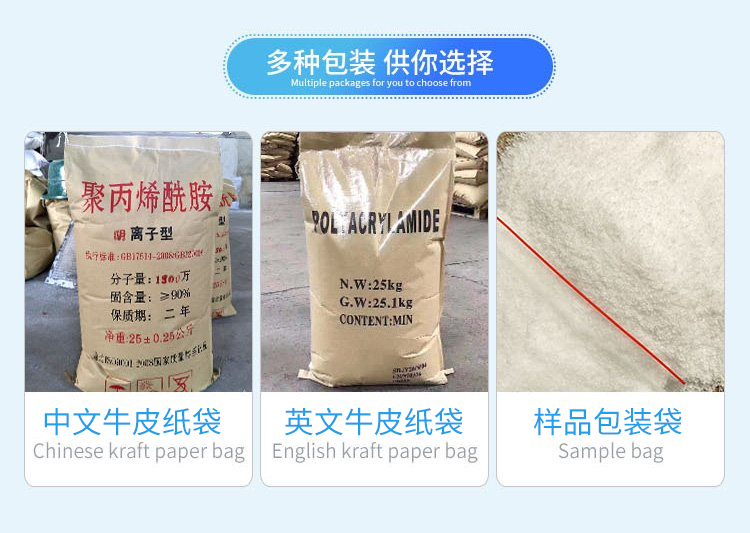
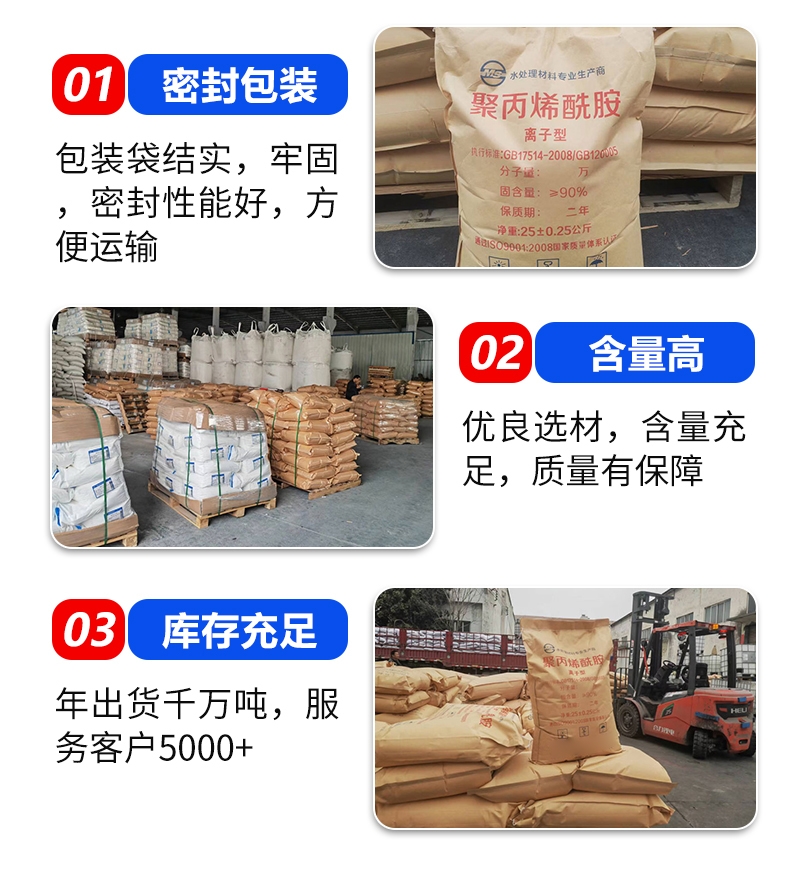
Polyacrylamide (PAM) is a synthetic polymer used as a flocculant in water treatment. It works by aggregating suspended particles into larger flocs, which can then be easily removed through sedimentation or filtration. PAM is available in various forms, including anionic, cationic, and nonionic, each suitable for different types of wastewater and treatment processes.
In sand washing wastewater treatment, PAM is often used in conjunction with other coagulants to enhance the efficiency of particle removal. It is particularly effective in treating wastewater with high levels of suspended solids, reducing turbidity and improving overall water quality.
3. Citric Acid
Citric acid is a weak organic acid commonly used in water treatment as a chelating agent and pH adjuster. It is effective in removing heavy metals and other inorganic contaminants by forming soluble complexes that can be easily removed from the water. Citric acid is also used to adjust the pH of wastewater, creating optimal conditions for other treatment processes.
In sand washing wastewater treatment, citric acid can help neutralize alkaline substances and remove metal ions, improving the overall quality of the treated water. It is a safe and environmentally friendly alternative to harsher chemicals, making it suitable for use in various industries.
4. Anthracite Filter Media
Anthracite filter media is a high-quality filtration material derived from anthracite coal. It is known for its hardness, durability, and excellent filtration properties, making it an ideal choice for removing suspended solids and other impurities from wastewater. Anthracite filter media is often used in multi-media filters, where it works in conjunction with other materials like sand and garnet to achieve superior filtration results.
In sand washing wastewater treatment, anthracite filter media can effectively remove fine particles and reduce turbidity, producing clear and clean water. It is also resistant to chemical attack and has a long service life, reducing the need for frequent replacement and maintenance.
| Material | Function | Application |
|---|---|---|
| Industrial Activated Carbon | Adsorption of organic compounds, colors, and odors | Final polishing of wastewater |
| Polyacrylamide | Flocculation of suspended particles | Treatment of wastewater with high suspended solids |
| Citric Acid | Chelating agent and pH adjuster | Removal of heavy metals and pH adjustment |
| Anthracite Filter Media | Filtration of suspended solids and impurities | Multi-media filtration systems |
Selecting the Right Water Treatment Materials Supplier
Choosing a reliable supplier of water treatment materials is crucial for ensuring the quality and effectiveness of your treatment process. When selecting a supplier, consider the following factors:
- Product Quality: Ensure the supplier offers high-quality materials that meet industry standards and regulatory requirements. Look for certifications and test reports to verify the quality of the products.
- Experience and Expertise: Choose a supplier with extensive experience in the water treatment industry and a deep understanding of the specific needs of your application. An experienced supplier can provide valuable advice and support throughout the selection and implementation process.
- Product Range: Opt for a supplier that offers a wide range of water treatment materials, allowing you to source all the necessary products from a single supplier. This can simplify the procurement process and ensure compatibility between different materials.
- Customer Service: Consider the level of customer service provided by the supplier, including technical support, after-sales service, and responsiveness to inquiries. A supplier that prioritizes customer satisfaction is more likely to provide a positive experience and address any issues that may arise.
- Price and Value: While price is an important consideration, it should not be the sole determining factor. Look for a supplier that offers competitive pricing while providing high-quality products and excellent customer service. Consider the overall value of the products and services offered, rather than focusing solely on the initial cost.
FAQ
What are the key factors to consider when selecting water treatment materials for sand washing wastewater?
When selecting water treatment materials for sand washing wastewater, consider factors such as the type and concentration of contaminants, the desired treatment outcome, regulatory requirements, and the compatibility of different materials. It is also important to choose a reliable supplier that offers high-quality products and excellent customer service.
How does industrial activated carbon work in water treatment?
Industrial activated carbon works by adsorbing organic compounds, colors, and odors from wastewater onto its highly porous surface. This process helps to polish the effluent and ensure it meets discharge standards. Activated carbon is particularly effective in removing a wide range of contaminants, including pesticides, pharmaceuticals, and VOCs.
What is the role of polyacrylamide in sand washing wastewater treatment?
Polyacrylamide acts as a flocculant in water treatment, aggregating suspended particles into larger flocs that can be easily removed through sedimentation or filtration. It is particularly effective in treating wastewater with high levels of suspended solids, reducing turbidity and improving overall water quality.
How can citric acid be used in water treatment?
Citric acid is used as a chelating agent and pH adjuster in water treatment. It forms soluble complexes with heavy metals and other inorganic contaminants, making them easier to remove from the water. Citric acid can also adjust the pH of wastewater, creating optimal conditions for other treatment processes.
What are the benefits of using anthracite filter media in water treatment?
Anthracite filter media offers several benefits in water treatment, including excellent filtration properties, durability, and resistance to chemical attack. It is effective in removing fine particles and reducing turbidity, producing clear and clean water. Anthracite filter media also has a long service life, reducing the need for frequent replacement and maintenance.
How do I choose the right supplier of water treatment materials?
When choosing a supplier of water treatment materials, consider factors such as product quality, experience and expertise, product range, customer service, and price and value. Look for a supplier that offers high-quality products, has extensive experience in the industry, provides a wide range of materials, prioritizes customer satisfaction, and offers competitive pricing.
What certifications should I look for when selecting water treatment materials?
When selecting water treatment materials, look for certifications such as ISO 9001 for quality management systems, ISO 14001 for environmental management systems, and NSF/ANSI 61 for drinking water system components. These certifications indicate that the products meet industry standards and regulatory requirements.
How can I ensure the compatibility of different water treatment materials?
To ensure the compatibility of different water treatment materials, consult with a knowledgeable supplier or technical expert. They can provide guidance on selecting materials that work well together and avoiding potential interactions that could reduce treatment effectiveness or cause other issues.
What is the typical lifespan of water treatment materials?
The lifespan of water treatment materials varies depending on factors such as the type of material, the quality of the product, the operating conditions, and the level of maintenance. High-quality materials that are properly maintained can have a long service life, reducing the need for frequent replacement and lowering overall costs.
How can I optimize the performance of my water treatment system?
To optimize the performance of your water treatment system, regularly monitor the quality of the influent and effluent, adjust the treatment process as needed, and perform routine maintenance on the equipment and materials. Working with a reliable supplier that provides technical support and after-sales service can also help ensure optimal performance and address any issues that may arise.
Summary
Selecting the right water treatment materials is crucial for effectively treating sand washing wastewater and ensuring compliance with environmental regulations. Industrial activated carbon, polyacrylamide, citric acid, and anthracite filter media are key materials that can help remove contaminants and improve water quality. When choosing a supplier, consider factors such as product quality, experience, product range, customer service, and price and value. Murong (Shanghai) International Trading Co., Ltd. is a professional supplier of high-quality water treatment materials, offering a wide range of products and excellent customer service to help you achieve optimal treatment results.