
In the industrial landscape of Korea, managing exhaust gases from spray booths is a critical challenge that requires specialized solutions. As environmental regulations become stricter and businesses seek to minimize their ecological footprint, finding reliable exhaust gas treatment services has never been more important. This comprehensive guide explores the various aspects of Korea spray booth exhaust gas treatment, from service providers to technological solutions, helping you make informed decisions for your business needs.
Understanding Spray Booth Exhaust Gas Treatment in Korea
Spray booths are essential in various industries, including automotive, furniture manufacturing, and metal finishing. These facilities generate exhaust gases containing volatile organic compounds (VOCs), particulate matter, and other pollutants that must be treated before release into the atmosphere. In Korea, where industrial activity is robust, effective exhaust gas treatment is crucial for compliance with environmental standards and maintaining air quality.
The treatment process typically involves several stages, including collection, filtration, and purification. Advanced technologies like activated carbon adsorption, catalytic oxidation, and regenerative thermal oxidation are commonly employed to achieve high removal efficiencies. Korean service providers offer comprehensive solutions tailored to specific industry requirements and emission characteristics.
Key Components of Effective Exhaust Gas Treatment Systems
A well-designed exhaust gas treatment system comprises several critical components that work together to ensure optimal performance. The first stage usually involves proper ventilation and airflow management within the spray booth to capture contaminants effectively. This is followed by filtration systems that remove larger particles and debris from the exhaust stream.
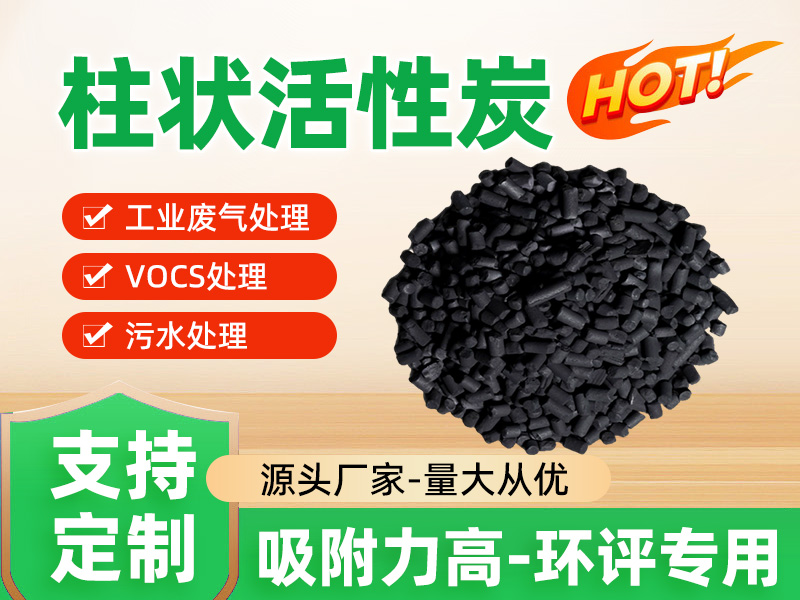
The core treatment technology often involves activated carbon filters, which are highly effective at adsorbing VOCs and other organic pollutants. Industrial activated carbon, available from specialized suppliers in Korea, comes in various forms such as granular, powdered, or pelletized, each suited for different applications and treatment capacities. The choice of activated carbon depends on factors like the type and concentration of pollutants, required removal efficiency, and operational costs.

Advanced Treatment Technologies
Beyond activated carbon filtration, Korean service providers offer cutting-edge technologies for more challenging exhaust treatment scenarios. Catalytic oxidation systems use catalysts to convert VOCs into carbon dioxide and water at lower temperatures than thermal oxidation methods, reducing energy consumption and operational costs. Regenerative thermal oxidizers (RTOs) are another popular choice, particularly for high-volume, low-concentration VOC streams, offering high destruction efficiency and heat recovery capabilities.
For applications with specific pollutant profiles, such as those containing nitrogen oxides (NOx) or sulfur compounds, Korean suppliers provide specialized treatment units that can be integrated into the overall exhaust management system. These modular approaches allow businesses to customize their treatment solutions based on evolving regulatory requirements and production needs.
Choosing the Right Exhaust Gas Treatment Supplier in Korea
Selecting a reliable supplier for your spray booth exhaust gas treatment needs is crucial for long-term success and compliance. When evaluating potential service providers in Korea, consider the following factors:
- Experience and Expertise: Look for companies with a proven track record in designing, installing, and maintaining exhaust treatment systems across various industries. Experienced suppliers understand the unique challenges of different applications and can offer tailored solutions.
- Technological Capabilities: Ensure the supplier offers access to the latest treatment technologies and can provide comprehensive solutions that address your specific pollutant profile and treatment requirements.
- Compliance and Certification: Verify that the supplier’s systems and processes comply with relevant Korean environmental regulations and industry standards. Look for certifications that demonstrate their commitment to quality and environmental stewardship.
- After-Sales Support: Reliable after-sales service is essential for maintaining optimal system performance and addressing any operational issues promptly. Choose a supplier that offers comprehensive maintenance packages, spare parts availability, and technical support.
- Cost-Effectiveness: While quality should be a priority, consider the overall cost of ownership, including initial investment, operational costs, and potential savings from energy efficiency or byproduct recovery.
The Role of Industrial Activated Carbon in Exhaust Treatment
Industrial activated carbon plays a pivotal role in many exhaust gas treatment systems, particularly for removing organic pollutants like VOCs. This highly porous material has a vast surface area that allows it to adsorb a wide range of contaminants effectively. In Korea, where industries face stringent emission limits, activated carbon filtration is often a key component of comprehensive exhaust treatment strategies.
The performance of activated carbon depends on several factors, including the type of raw material used (such as coconut shell, coal, or wood), the activation process, and the pore size distribution. Korean suppliers offer a variety of activated carbon products optimized for different applications, ensuring high adsorption capacity and long service life. Regular replacement or regeneration of activated carbon filters is essential to maintain treatment efficiency and prevent breakthrough of pollutants.
| Activated Carbon Type | Key Characteristics | Typical Applications |
|---|---|---|
| Coconut Shell Activated Carbon | High surface area, microporous structure, excellent for VOC adsorption | Automotive paint booths, solvent recovery, air purification |
| Coal-Based Activated Carbon | Balanced pore size distribution, good for general-purpose applications | Industrial exhaust treatment, water purification, chemical processing |
| Wood-Based Activated Carbon | Macroporous structure, effective for removing larger molecules | Deodorization, wastewater treatment, gas phase applications |
FAQ
What are the main types of exhaust gas treatment systems used in Korean spray booths?
The primary exhaust gas treatment systems used in Korean spray booths include activated carbon adsorption, catalytic oxidation, regenerative thermal oxidation (RTO), and wet scrubbing. Each technology has its advantages and is selected based on the specific pollutant profile, treatment requirements, and operational costs.
How often should activated carbon filters be replaced in exhaust treatment systems?
The replacement frequency of activated carbon filters depends on several factors, including the concentration and type of pollutants, airflow rate, and the specific activated carbon product used. Typically, filters are replaced every 6-12 months, but regular monitoring of breakthrough concentrations is essential to determine the optimal replacement schedule for your specific application.
Can exhaust gas treatment systems recover valuable solvents from spray booth emissions?
Yes, many exhaust gas treatment systems, particularly those using activated carbon adsorption, can be designed to recover valuable solvents from spray booth emissions. The adsorbed solvents can be desorbed from the activated carbon through thermal or steam regeneration processes and then condensed for reuse, reducing operational costs and environmental impact.
What are the key regulatory requirements for spray booth exhaust treatment in Korea?
In Korea, spray booth exhaust treatment is regulated by the Ministry of Environment and local authorities. Key requirements include compliance with emission limits for VOCs, particulate matter, and other pollutants specified in the Clean Air Conservation Act. Businesses must obtain appropriate permits, conduct regular emissions testing, and maintain proper operation and maintenance records for their exhaust treatment systems.
How can I ensure my exhaust gas treatment system remains compliant with evolving Korean regulations?
To ensure ongoing compliance with Korean environmental regulations, work closely with a reputable exhaust gas treatment supplier that stays up-to-date with regulatory changes. Regular system audits, performance testing, and staff training on operational best practices are also essential. Consider investing in monitoring equipment that provides real-time data on treatment efficiency and emission concentrations.
Summary
Effective exhaust gas treatment is a critical aspect of responsible industrial operations in Korea, particularly for spray booth applications that generate significant VOC emissions. By understanding the various treatment technologies available, including the crucial role of industrial activated carbon, businesses can select the most appropriate solutions for their specific needs. Partnering with experienced and reliable service providers ensures access to the latest technologies, expert consultation, and comprehensive after-sales support, helping you maintain compliance, reduce environmental impact, and optimize operational efficiency. As Korean industries continue to evolve and face increasingly stringent regulations, investing in advanced exhaust gas treatment systems becomes not just a regulatory requirement but a strategic advantage for long-term success.