
In the global industrial water treatment market, selecting the right materials and suppliers is crucial for ensuring treatment efficiency and cost-effectiveness. Murong (Shanghai) International Trading Co., Ltd., with its deep industry expertise and professional team, provides comprehensive solutions for industrial activated carbon and water treatment material procurement. This guide will walk you through the key considerations in selecting industrial activated carbon and other essential water treatment materials, helping you make informed decisions for your specific applications.
Understanding Industrial Activated Carbon Types and Applications
Activated carbon is a critical component in water treatment systems, known for its excellent adsorption properties. Murong International offers a complete range of activated carbon products, each with specific characteristics suited for different applications:
1. Coconut Shell Activated Carbon
This premium-grade activated carbon is made from high-quality coconut shells through a specialized activation process. It features a well-developed pore structure with a high proportion of micropores, making it ideal for removing small molecular contaminants. Key applications include:
- Drinking water purification
- Food and beverage processing
- Pharmaceutical industry purification
- Gold recovery in mining
2. Coal-Based Activated Carbon
Produced from high-grade anthracite coal, this activated carbon has a balanced pore structure with both micropores and mesopores. It’s particularly effective for:
- Industrial wastewater treatment
- Air purification systems
- Solvent recovery applications
- Chemical industry purification
3. Columnar Activated Carbon
With its regular cylindrical shape, this activated carbon offers excellent pressure resistance and low pressure drop in fixed-bed systems. Typical applications include:
- Gas phase purification
- VOCs removal
- Air deodorization systems
- Industrial exhaust treatment
4. Spherical Activated Carbon
The spherical shape provides uniform particle size distribution and excellent flow characteristics, making it suitable for:
- Hemodialysis systems
- High-purity water preparation
- Pharmaceutical applications
- Specialty chemical processing
Key Parameters for Activated Carbon Selection
When selecting industrial activated carbon, several critical parameters must be evaluated to ensure optimal performance in your specific application:
| Parameter | Description | Importance |
|---|---|---|
| Iodine Number | Measures micropore content (mg/g) | Indicates small molecule adsorption capacity |
| CTC (Carbon Tetrachloride) | Measures mesopore content (%) | Indicates large molecule adsorption capacity |
| Ash Content | Inorganic residue percentage (%) | Affects purity and potential leaching |
| Particle Size Distribution | Range of particle sizes | Impacts pressure drop and contact efficiency |
| Hardness Number | Resistance to attrition | Determines service life in dynamic systems |
| pH Value | Acidity/alkalinity of product | Affects compatibility with treated water |
Complementary Water Treatment Materials
In addition to activated carbon, Murong International provides a comprehensive range of complementary water treatment materials to meet diverse industrial needs:
1. Polyacrylamide (PAM)
This water-soluble polymer serves as an excellent flocculant and coagulant aid in wastewater treatment. Key characteristics:
- Anionic, cationic, and nonionic types available
- Effective in a wide pH range (5-14)
- Rapid dissolution and floc formation
- Reduces sludge volume and improves settling
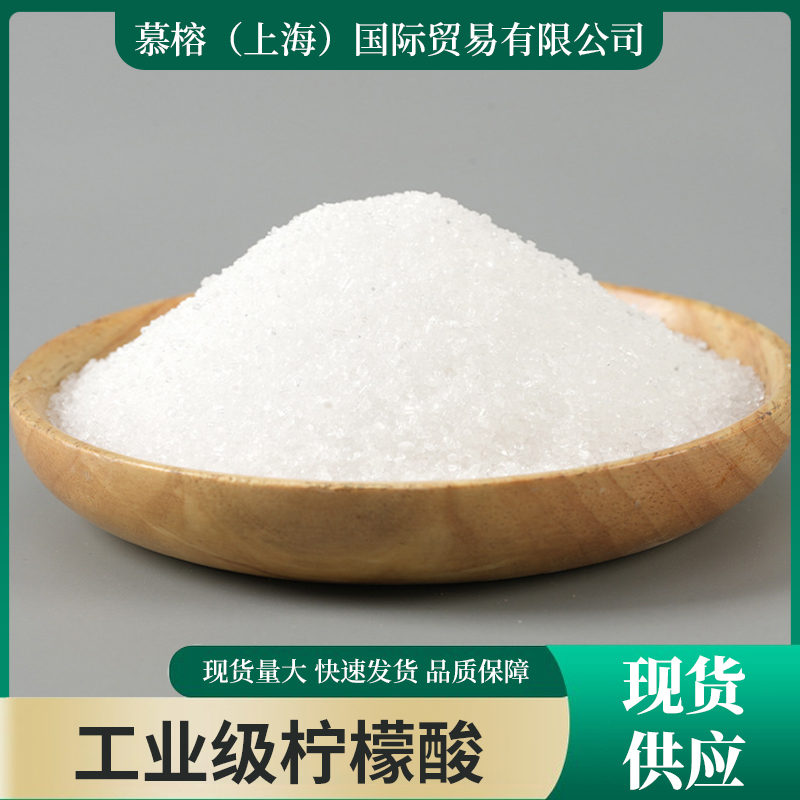
2. Citric Acid
As a natural chelating agent and pH adjuster, citric acid offers several advantages in water treatment:
- Biodegradable and environmentally friendly
- Effective metal ion complexation
- Safe for food-grade applications
- Compatible with most treatment processes
3. Anthracite Filter Media
This high-purity coal-based filter media provides excellent mechanical filtration in multi-media systems:
- High hardness and durability
- Uniform particle size distribution
- Low attrition rate
- Effective for suspended solids removal
4. Polymeric Aluminum Chloride (PAC)
As an advanced coagulant, PAC offers superior performance compared to traditional aluminum salts:
- Higher charge density for better floc formation
- Lower dosage requirements
- Wider effective pH range
- Reduced sludge production
Quality Assurance and Certification
Murong International maintains strict quality control throughout the production and supply chain:
- ISO 9001:2015 quality management system certification
- Comprehensive testing in accredited laboratories
- Batch-specific quality certificates
- Material safety data sheets (MSDS) for all products
- Traceability from raw material to finished product
Our quality control process includes:
- Raw material inspection and testing
- Production process monitoring
- Finished product quality verification
- Pre-shipment inspection and sampling
- Continuous improvement based on customer feedback
FAQ
What factors should I consider when selecting industrial activated carbon?
When selecting industrial activated carbon, consider these key factors: the specific contaminants to be removed (molecular size determines pore structure requirements), the concentration of contaminants (affecting required dosage), flow rate and contact time in your system, pH and temperature of the treated water, and any regulatory requirements for your industry. Murong International’s technical team can provide detailed recommendations based on your specific application parameters.
How do different types of activated carbon compare in performance?
Coconut shell activated carbon typically has higher micropore content, making it excellent for removing small molecules like VOCs and odors. Coal-based activated carbon has a more balanced pore structure with both micropores and mesopores, suitable for larger molecules and general-purpose applications. Columnar activated carbon offers better pressure resistance for fixed-bed systems, while spherical activated carbon provides uniform flow characteristics for specialized applications like hemodialysis.
What is the typical service life of industrial activated carbon?
The service life depends on several factors: the concentration and type of contaminants, flow rate, bed depth, temperature, and pH of the treated water. In general, coconut shell activated carbon lasts 6-18 months in drinking water applications, while coal-based activated carbon may last 12-24 months in industrial wastewater treatment. Murong International provides detailed lifespan estimates based on your specific operating conditions and can recommend regeneration options when applicable.
How should I store activated carbon to maintain its quality?
Proper storage is crucial for maintaining activated carbon’s adsorption capacity. Store in a cool, dry, well-ventilated area away from direct sunlight and moisture. Keep containers tightly sealed to prevent moisture absorption and contamination. Avoid storing near strong oxidizers or chemicals that could react with the carbon. Murong International provides detailed storage guidelines with each shipment to ensure product quality is maintained until use.
What are the advantages of using polyacrylamide as a flocculant?
Polyacrylamide offers several advantages over traditional flocculants: it forms larger, more stable flocs that settle faster, reducing treatment time and equipment size requirements; it works effectively across a wide pH range (5-14); it requires lower dosages compared to inorganic coagulants, reducing chemical costs and sludge production; and it’s available in anionic, cationic, and nonionic forms to match different water characteristics and contaminant types.
Summary
Selecting the right industrial activated carbon and water treatment materials requires careful consideration of your specific application requirements, operating conditions, and performance expectations. Murong (Shanghai) International Trading Co., Ltd. offers a comprehensive range of high-quality water treatment materials, including various types of activated carbon, polyacrylamide, citric acid, anthracite filter media, and polymeric aluminum chloride. Our professional team provides technical support throughout the selection, procurement, and application process to ensure optimal treatment performance and cost-effectiveness. With our commitment to quality, reliability, and customer service, we help global clients achieve their water treatment objectives efficiently and sustainably.