
When it comes to selecting mechanical filters in Japan, businesses face numerous challenges in identifying the right solutions that meet their specific water treatment requirements. As a leading international trading company specializing in water treatment materials, Murong (Shanghai) International Trading Co., Ltd. brings over a decade of industry expertise to help clients navigate this complex decision-making process. This comprehensive guide explores the critical factors influencing mechanical filter selection in Japan while highlighting our premium product range that supports optimal filtration performance.
Understanding Japan’s Mechanical Filter Market Requirements
The Japanese market demands mechanical filtration systems that combine precision engineering with reliable performance. Key selection criteria include filtration efficiency, operational durability, and compliance with Japan’s stringent water quality standards (JIS). Our company’s product portfolio specifically addresses these requirements through four essential water treatment materials:
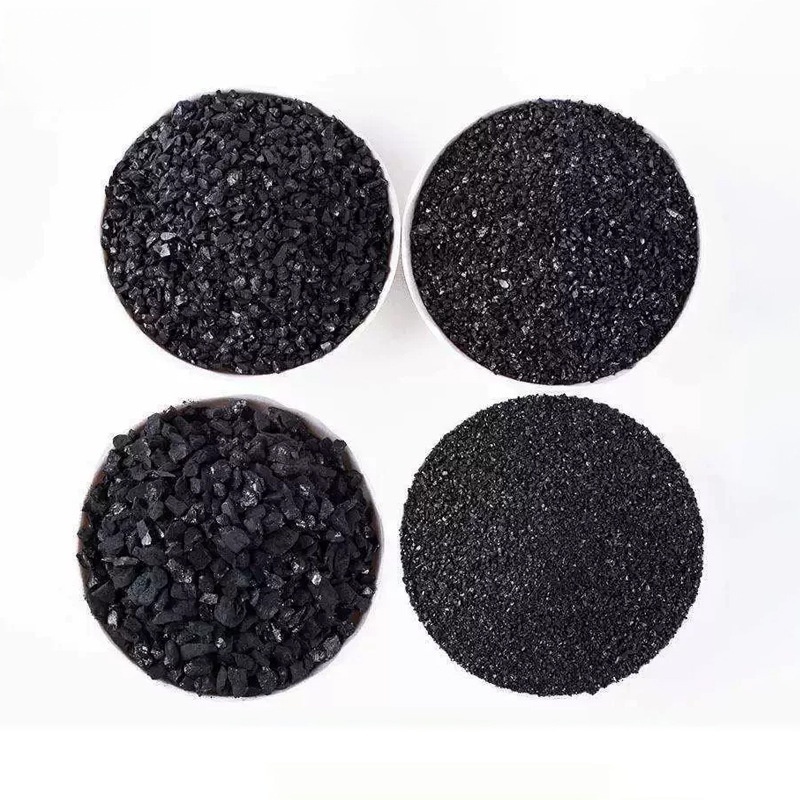
1. Industrial Activated Carbon: Available in coconut shell granular, powdered, columnar, spherical, and honeycomb forms, our activated carbon products offer exceptional adsorption capacity for removing organic contaminants, chlorine, and odors. The honeycomb variant is particularly effective for gas-phase filtration applications common in Japanese industrial settings.
2. Polyacrylamide (PAM): As a critical flocculating agent, our polyacrylamide solutions enhance sedimentation rates in mechanical filtration systems. The cationic and anionic variants cater to different water compositions, ensuring optimal performance across various industrial applications in Japan.
Advanced Water Treatment Chemicals for Mechanical Filters
Beyond physical filtration media, chemical treatment plays a vital role in maintaining mechanical filter efficiency. Our product range includes two essential chemicals:
3. Citric Acid: This biodegradable chelating agent effectively removes mineral scale deposits from filter components without damaging system materials. Regular citric acid cleaning extends mechanical filter lifespan while maintaining consistent flow rates – crucial for Japan’s space-constrained facilities.
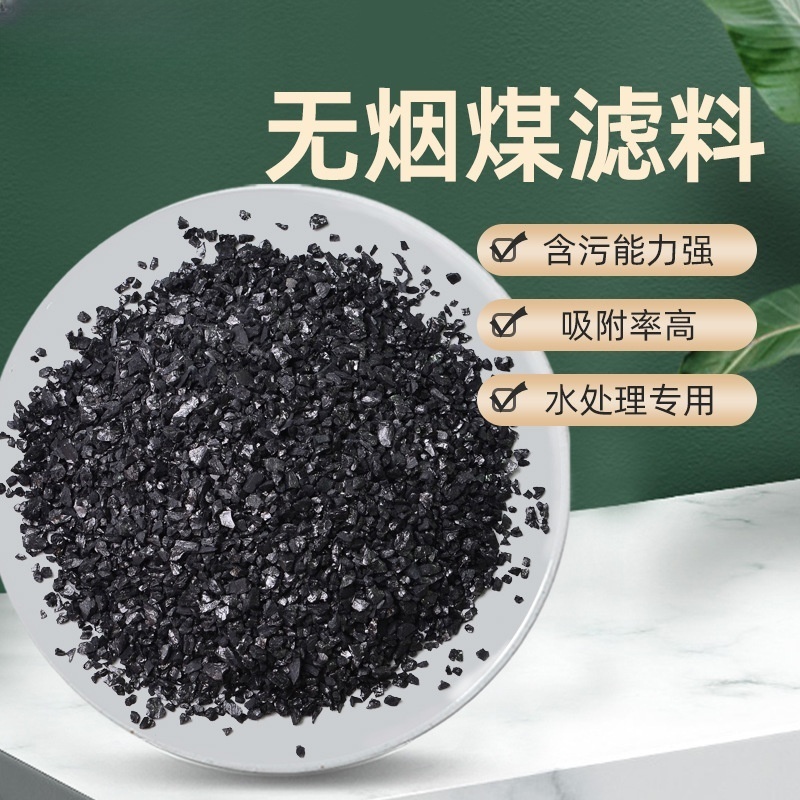
4. Anthracite Filter Media: Our premium anthracite coal provides excellent filtration for suspended solids removal in multi-media filtration systems. The sub-angular particle shape creates optimal void spaces for capturing particles while allowing sufficient water flow – meeting Japan’s high-volume water treatment demands.
Technical Specifications Comparison
The following table highlights key performance parameters of our core products for mechanical filtration applications:
| Product | Key Parameter | Typical Value | Japanese Standard |
|---|---|---|---|
| Coconut Shell Activated Carbon | Iodine Number | 900-1200 mg/g | JIS K 1474 |
| Polyacrylamide | Molecular Weight | 8-15 million | JIS K 7223 |
| Anthracite Filter Media | Effective Size | 0.8-1.2 mm | JIS A 1108 |
Selecting the Right Mechanical Filter Solution for Japanese Applications
The optimal mechanical filter configuration depends on several application-specific factors:
- Water Quality Parameters: Conduct comprehensive water analysis to determine contaminant types and concentrations. Our technical team provides free consultation to recommend appropriate filtration media combinations.
- Flow Rate Requirements: Calculate required filtration area based on peak demand. Our honeycomb activated carbon products offer compact solutions for high-flow applications common in Japanese manufacturing facilities.
- Space Constraints
- Japanese facilities often require space-efficient designs. Our spherical activated carbon and compact polyacrylamide dosing systems maximize filtration capacity in limited spaces.
- Regulatory Compliance: All our products meet or exceed JIS standards for water treatment materials. We provide complete documentation to support your compliance requirements.
FAQ
What makes coconut shell activated carbon superior for mechanical filtration in Japan?
Coconut shell activated carbon offers higher microporosity compared to other raw materials, making it exceptionally effective at removing volatile organic compounds (VOCs) and chlorine – common contaminants in Japanese industrial water supplies. Its hardness also reduces dust generation during operation.
How often should mechanical filters be cleaned with citric acid in Japan’s climate?
The cleaning frequency depends on water hardness and contaminant levels. For typical Japanese industrial applications, we recommend citric acid cleaning every 3-6 months. Our technical team can provide customized maintenance schedules based on your specific water analysis results.
Can polyacrylamide be used with all types of mechanical filters?
Polyacrylamide works effectively with most mechanical filtration systems, including sand filters, multi-media filters, and cartridge filters. However, proper dosage calculation is crucial to prevent filter media agglomeration. We provide free dosing calculation services for all our clients in Japan.
What advantages does anthracite filter media offer over traditional sand?
Anthracite provides superior filtration for particles in the 10-30 micron range while maintaining higher flow rates than sand. Its sub-angular shape creates optimal void spaces, reducing pressure drop across the filter bed – particularly beneficial for Japan’s energy-conscious facilities.
Summary
Selecting mechanical filters in Japan requires careful consideration of both filtration media performance and system design parameters. Murong (Shanghai) International Trading Co., Ltd. offers a comprehensive solution portfolio combining premium industrial activated carbon, specialized polyacrylamide flocculants, effective citric acid cleaners, and high-performance anthracite filter media. Our technical expertise and commitment to quality ensure Japanese clients receive filtration systems that deliver reliable performance, regulatory compliance, and cost-effective operation. Contact our team today for personalized recommendations tailored to your specific water treatment requirements.