
Electroplating wastewater treatment presents unique challenges in Japan’s industrial sector, requiring specialized materials and expertise. As a leading international trading company based in Shanghai, Murong (Shanghai) International Trading Co., Ltd. has developed extensive experience in providing high-quality water treatment solutions for the electroplating industry. This comprehensive guide will walk you through the essential considerations for selecting the right materials and partners for your electroplating wastewater treatment needs in Japan.
Understanding Electroplating Wastewater Characteristics
Electroplating processes generate wastewater containing heavy metals like chromium, nickel, copper, and zinc, along with cyanide complexes and various organic compounds. The composition varies significantly depending on the specific electroplating operations:
- Chromium plating produces hexavalent chromium compounds
- Nickel plating generates nickel sulfate and chloride solutions
- Copper plating creates copper sulfate and cyanide complexes
- Zinc plating produces zinc sulfate and chloride solutions
Japanese environmental regulations impose strict discharge limits for these contaminants, typically requiring removal efficiencies above 99% for most heavy metals. This necessitates a multi-stage treatment approach combining chemical precipitation, filtration, and advanced oxidation processes.
Key Water Treatment Materials for Electroplating Wastewater
Based on our extensive experience serving Japan’s electroplating industry, we’ve identified several critical materials that form the foundation of effective treatment systems:
1. Industrial Activated Carbon for Heavy Metal Removal
Activated carbon remains the most effective adsorbent for removing residual heavy metals and organic compounds after primary treatment. Our product range includes:
- Coconut shell activated carbon: Ideal for removing organic contaminants and providing excellent pore structure for heavy metal adsorption
- Columnar activated carbon: Designed for fixed-bed filtration systems with uniform particle size and high mechanical strength
- Spherical activated carbon: Offers lower pressure drop and better flow characteristics in fluidized bed systems
For Japanese electroplating applications, we recommend coconut shell activated carbon with iodine numbers above 1000 mg/g and surface areas exceeding 1000 m²/g. This provides optimal adsorption capacity for both organic and inorganic contaminants.

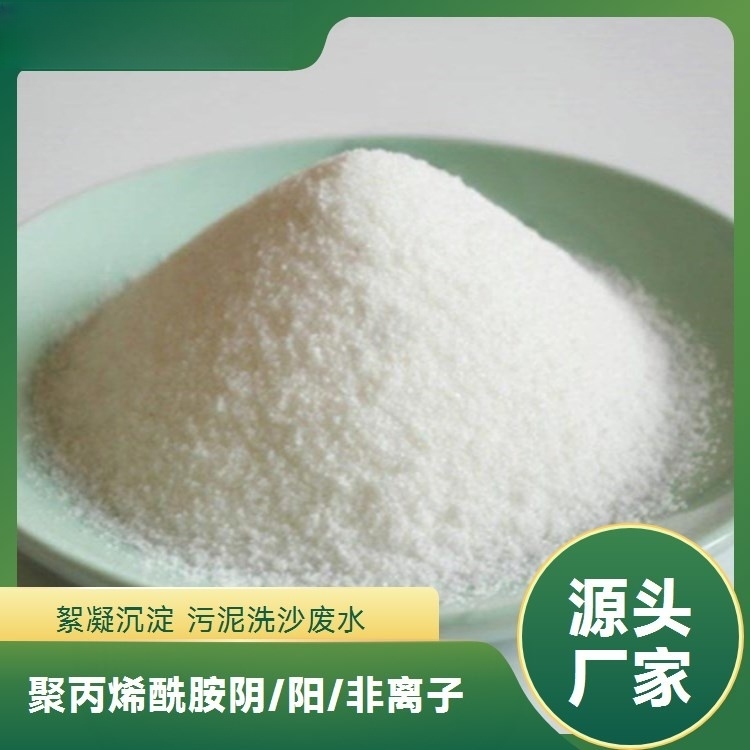
2. Polyacrylamide (PAM) for Flocculation
Polyacrylamide plays a crucial role in the chemical precipitation stage by enhancing particle aggregation and settling rates. Our product specifications include:
| Parameter | Specification |
|---|---|
| Molecular Weight | 8-18 million Daltons |
| Charge Density | 10-60% (anionic/cationic) |
| Solubility | Complete in 1-2 hours |
| pH Range | 5-9 for optimal performance |
For electroplating wastewater treatment in Japan, we recommend cationic polyacrylamide with medium molecular weight (10-12 million Daltons) and charge density of 30-50%. This provides excellent flocculation for metal hydroxide precipitates while maintaining good solubility characteristics.
3. Specialized Chemical Coagulants
Complementing our activated carbon and polyacrylamide products, we supply:
- Polymerized aluminum chloride (PAC): Effective for pH adjustment and initial coagulation
- Ferric chloride: Provides strong coagulation for heavy metal removal
- Sodium hydroxide: Essential for pH control during precipitation
Selecting the Right Supplier for Japan’s Market
When choosing a water treatment material supplier for Japan’s electroplating industry, several critical factors should be considered:
1. Product Quality Certification
Ensure your supplier provides materials that meet Japanese industrial standards (JIS) and relevant environmental regulations. Our products comply with ISO 9001 quality management systems and undergo rigorous testing for heavy metal content, pH stability, and adsorption capacity.
2. Technical Support Capabilities
Look for suppliers that offer comprehensive technical support, including:
- Wastewater analysis and treatment方案设计 (solution design)
- Dosage optimization and system parameter adjustment
- On-site commissioning and operator training
- Periodic performance evaluation and maintenance guidance
3. Supply Chain Reliability
Given Japan’s strict import regulations and quality requirements, choose suppliers with:
- Proven experience in exporting to Japan
- Complete documentation including MSDS, COA, and testing reports
- Flexible logistics solutions with reliable shipping schedules
- Emergency stock availability for critical materials
Case Study: Successful Implementation in Japanese Electroplating Plant
One of our key clients in Osaka implemented our comprehensive treatment solution consisting of:
- Coconut shell activated carbon (1000 m²/g surface area) in fixed-bed filters
- Cationic polyacrylamide (12 million Daltons) for flocculation
- Polymerized aluminum chloride for initial coagulation
The system achieved:
- 99.8% chromium removal efficiency
- 99.5% nickel removal efficiency
- 95% reduction in COD levels
- 30% lower chemical consumption compared to previous supplier
The client particularly appreciated our technical team’s on-site support during system commissioning and the customized dosage recommendations based on their specific wastewater characteristics.
FAQ
What’s the typical service life of activated carbon in electroplating wastewater treatment?
The service life depends on several factors including influent concentration, flow rate, and regeneration frequency. For Japanese electroplating applications with proper pre-treatment, coconut shell activated carbon typically lasts 6-12 months before requiring replacement or regeneration.
How to determine the optimal polyacrylamide dosage?
Optimal dosage varies based on wastewater characteristics. We recommend conducting jar tests using different concentrations (5-50 ppm) to determine the minimum effective dose that achieves desired settling rates and floc size. Our technical team can assist with this testing process.
Can activated carbon remove all heavy metals from electroplating wastewater?
While activated carbon is excellent for removing many heavy metals, its effectiveness varies by metal species. It shows highest adsorption capacity for mercury, lead, and cadmium, with moderate effectiveness for chromium and nickel. For complete compliance with Japanese regulations, activated carbon treatment should be combined with chemical precipitation.
What are the storage requirements for water treatment chemicals?
Proper storage is critical for maintaining product effectiveness:
- Activated carbon: Store in dry, ventilated area away from direct sunlight
- Polyacrylamide: Keep in original packaging at temperatures below 30°C
- Liquid chemicals: Store in dedicated tanks with proper labeling and bunding
How does Murong ensure product quality for Japanese clients?
We implement strict quality control measures including:
- Raw material inspection before production
- In-process quality checks during manufacturing
- Final product testing against JIS standards
- Pre-shipment inspection by third-party agencies
- Complete traceability for all batches
Summary
Selecting the right water treatment materials for Japan’s electroplating industry requires careful consideration of both product performance and supplier capabilities. Murong (Shanghai) International Trading Co., Ltd. offers a comprehensive solution combining high-quality coconut shell activated carbon, specialized polyacrylamide flocculants, and complete technical support tailored to Japanese market requirements. Our experience serving multiple electroplating facilities across Japan enables us to provide customized recommendations that optimize treatment efficiency while reducing operational costs.
For more information about our products or to request a customized treatment solution for your facility, please contact our technical team. We’re committed to helping Japan’s electroplating industry achieve environmental compliance through innovative water treatment solutions.