
In the complex environment of chemical manufacturing facilities in Japan, maintaining optimal air quality is not just a regulatory requirement but a critical component of operational safety and efficiency. As a leading air purification service provider with extensive experience in the Japanese market, Murong (Shanghai) International Trading Co., Ltd. offers specialized solutions tailored to the unique needs of chemical plants. Our comprehensive approach combines advanced filtration technologies with industry-specific expertise to deliver measurable improvements in air quality.
The chemical industry in Japan faces stringent environmental regulations and operates under some of the most demanding safety standards globally. Airborne contaminants in chemical plants can include volatile organic compounds (VOCs), particulate matter, toxic gases, and other hazardous substances. Effective air purification systems must address these diverse challenges while maintaining operational efficiency and minimizing downtime. Our solutions are designed to meet these exacting requirements through a combination of high-performance filtration media and intelligent system design.
Core Technologies for Chemical Plant Air Purification
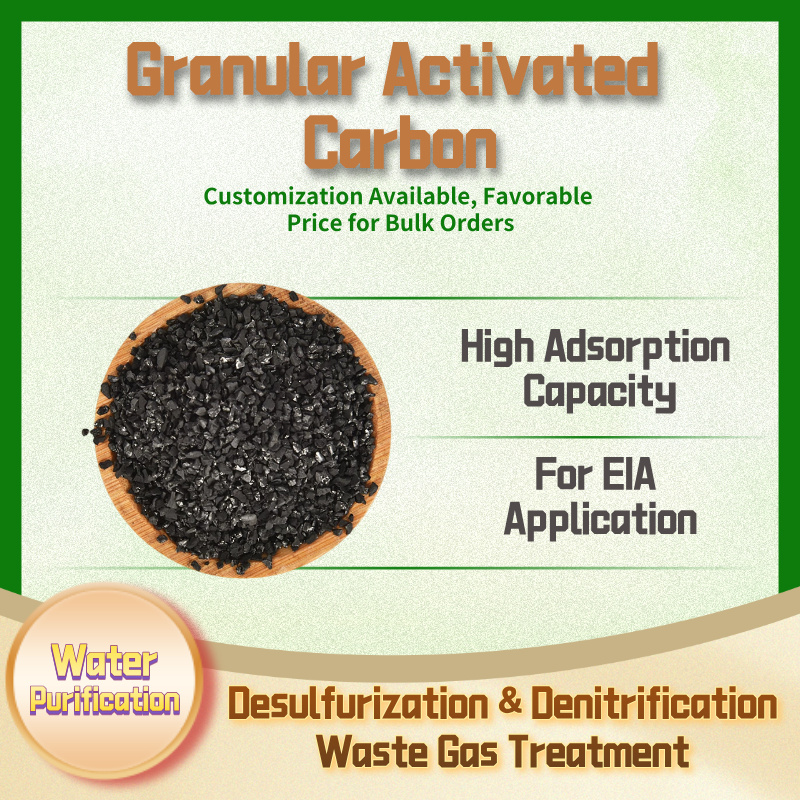
Our air purification systems for Japanese chemical plants incorporate several key technologies, with industrial activated carbon playing a central role. Activated carbon’s unique porous structure provides exceptional adsorption capacity for a wide range of airborne contaminants. We offer various forms of activated carbon tailored to specific applications:
- Coconut shell activated carbon: Known for its high hardness and excellent adsorption of organic compounds and odors
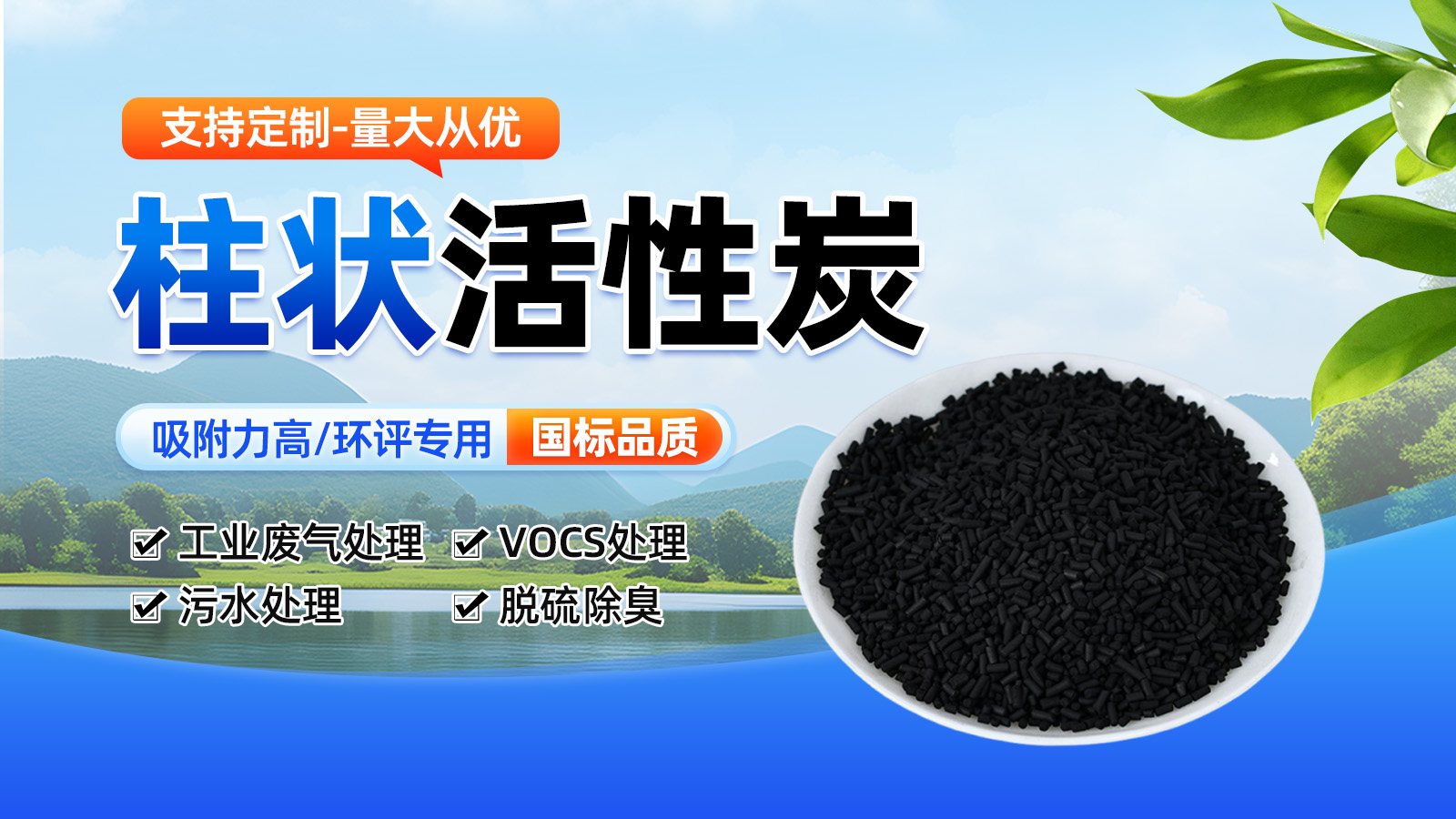
- Columnar activated carbon: Provides consistent airflow resistance and is ideal for large-scale ventilation systems
- Spherical activated carbon: Offers low pressure drop and uniform particle size for precise filtration
- Honeycomb activated carbon: Designed for high-efficiency VOC removal in compact system designs
In addition to activated carbon, our systems integrate other critical components to create comprehensive air purification solutions. These include:
- Pre-filtration stages: Using polypropylene filter media to remove larger particulates and extend the life of activated carbon filters
- HEPA filtration: For final stage polishing to capture sub-micron particles
- Gas-phase filtration: Incorporating specialized media for specific chemical contaminants
- Monitoring systems: Real-time sensors to track air quality parameters and system performance
System Design Considerations for Japanese Chemical Plants
Designing effective air purification systems for chemical plants requires careful consideration of several factors unique to the Japanese industrial environment. Our engineering team works closely with clients to develop customized solutions that address:
First, space constraints are often significant in Japanese facilities. Our compact system designs maximize purification capacity while minimizing footprint, using innovative honeycomb activated carbon structures and vertical filtration configurations. This approach allows us to implement high-capacity systems in existing plant layouts without extensive modifications.
Second, energy efficiency is paramount in Japan’s resource-conscious industrial sector. Our systems incorporate variable frequency drives (VFDs) on fans and energy recovery components to minimize power consumption while maintaining optimal airflow rates. This approach helps chemical plants reduce their carbon footprint and operating costs simultaneously.
Third, regulatory compliance is a moving target in Japan’s stringent environmental framework. We design our systems to not only meet current standards but also anticipate future requirements, incorporating modular components that can be upgraded as regulations evolve. This forward-thinking approach protects clients’ investments and ensures long-term compliance.
Key Performance Parameters for Chemical Plant Air Purification
When evaluating air purification systems for chemical applications, several critical parameters determine effectiveness:
| Parameter | Importance in Chemical Plants | Our Solution |
|---|---|---|
| VOC Removal Efficiency | Critical for compliance with air quality standards | Multi-stage filtration with specialized activated carbon media |
| Corrosion Resistance | Essential in chemical environments | Stainless steel construction with chemical-resistant coatings |
| Explosion Protection | Required for flammable contaminant handling | ATEX-certified components and spark-proof designs |
| Maintenance Access | Minimizes operational downtime | Quick-access panels and modular filter cartridges |
Case Study: Air Purification System Upgrade in Osaka Chemical Plant
A major chemical manufacturer in Osaka faced challenges with their existing air purification system’s ability to handle increased production volumes and meet stricter emission standards. Our team conducted a comprehensive site assessment and designed a phased upgrade solution:
Phase 1 involved replacing the existing activated carbon filters with our high-capacity coconut shell activated carbon media, specifically formulated for the plant’s VOC profile. This immediate improvement increased VOC removal efficiency from 82% to 96% while reducing pressure drop by 15%.
Phase 2 implemented a new monitoring and control system that provided real-time data on air quality parameters and filter status. This intelligent system enabled predictive maintenance, reducing filter replacement frequency by 30% and eliminating unexpected downtime.
Phase 3 introduced energy recovery components to capture waste heat from the exhaust air stream, which was then used to preheat incoming process air. This modification reduced the plant’s natural gas consumption for heating by 18%, delivering significant operational cost savings.
The complete system upgrade was implemented with minimal disruption to plant operations, with each phase completed during scheduled maintenance windows. Post-implementation testing confirmed compliance with all relevant air quality regulations and demonstrated a 22% improvement in overall system efficiency.
FAQ
What makes activated carbon effective for chemical plant air purification?
Activated carbon’s effectiveness comes from its extremely porous structure, which creates a vast surface area for contaminant adsorption. For chemical plant applications, we use specially formulated activated carbon with pore sizes optimized to capture specific VOCs and other hazardous compounds commonly found in chemical manufacturing environments.
How often should activated carbon filters be replaced in chemical plants?
Replacement frequency depends on several factors including contaminant types and concentrations, airflow rates, and operating hours. Our monitoring systems track breakthrough of target compounds to determine optimal replacement timing, typically ranging from 6 to 24 months in chemical plant applications.
Can your systems handle corrosive chemical vapors?
Yes, we design our systems with corrosion resistance as a primary consideration. This includes using stainless steel construction, chemical-resistant coatings, and selecting filter media specifically rated for the expected chemical exposure. For particularly aggressive environments, we offer systems with Hastelloy or other specialty alloy components.
What maintenance is required for your air purification systems?
Regular maintenance includes filter replacement, system cleaning, and sensor calibration. Our systems are designed for easy access to all components, with modular filter cartridges that can be changed in minutes. We provide comprehensive maintenance manuals and offer training programs for plant personnel.
How do you ensure compliance with Japan’s air quality regulations?
Our systems are designed to exceed current regulatory requirements while incorporating flexibility for future standards. We stay current with all relevant regulations through our local partnerships and industry associations. Each system comes with documentation demonstrating compliance and we assist clients with any required regulatory reporting.
Summary
Effective air purification in Japanese chemical plants requires specialized solutions that address the industry’s unique challenges. Murong (Shanghai) International Trading Co., Ltd. offers comprehensive air quality management systems combining advanced activated carbon technologies with intelligent system design. Our approach delivers measurable improvements in air quality while optimizing energy efficiency and minimizing operational costs.
With extensive experience in the Japanese market and a deep understanding of chemical industry requirements, we provide tailored solutions that help clients maintain compliance, protect personnel, and enhance operational efficiency. From initial consultation through system design, installation, and ongoing support, we partner with chemical plants to create safer, cleaner working environments that support sustainable growth.