
Electroplating wastewater treatment presents unique challenges in Japan’s industrial landscape. As environmental regulations become increasingly stringent, companies must adopt effective solutions to maintain compliance while ensuring operational efficiency. Murong (Shanghai) International Trading Co., Ltd. specializes in providing comprehensive water treatment materials and solutions tailored to the electroplating industry’s specific needs in Japan.
Our company has developed a deep understanding of Japan’s electroplating wastewater treatment requirements through years of industry experience. We recognize that effective wastewater management requires not only high-quality treatment chemicals but also a systematic approach to maintenance and cleaning. This article explores our specialized solutions for electroplating wastewater treatment in Japan, highlighting our core products and their applications.
Industrial Activated Carbon for Electroplating Wastewater
Activated carbon plays a crucial role in electroplating wastewater treatment by effectively removing heavy metals, organic compounds, and other contaminants. Our product range includes various forms of activated carbon specifically designed for industrial applications:
- Coconut shell granular activated carbon: Ideal for removing organic pollutants and chlorine from wastewater, with high surface area and excellent adsorption capacity.
- Powdered activated carbon: Effective for rapid adsorption of heavy metals and organic substances, particularly useful in emergency treatment situations.
- Columnar activated carbon: Provides stable filtration performance with uniform particle size, suitable for continuous wastewater treatment processes.
- Spherical activated carbon: Offers low pressure drop and high mechanical strength, making it perfect for fixed-bed filtration systems.
- Honeycomb activated carbon: Designed for gas-phase treatment applications, also effective for certain volatile organic compounds in wastewater.
In Japan’s electroplating industry, where precision and quality are paramount, our activated carbon products demonstrate exceptional performance. The high iodine value and large specific surface area ensure thorough removal of contaminants, helping companies meet Japan’s strict environmental standards. The proper selection and application of activated carbon can significantly reduce heavy metal concentrations in wastewater, preventing environmental pollution and ensuring regulatory compliance.
Polyacrylamide for Enhanced Wastewater Treatment
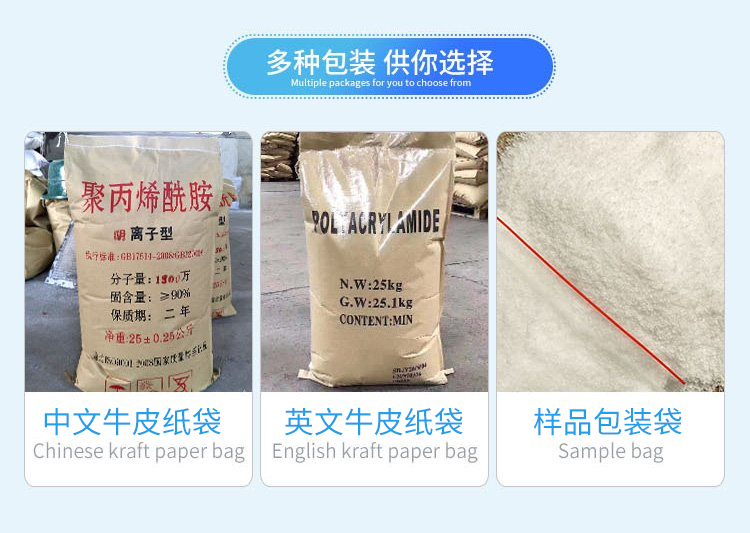
Polyacrylamide (PAM) serves as a crucial flocculant in electroplating wastewater treatment, helping to separate suspended solids from water. Our polyacrylamide products come in various molecular weights and charge densities to suit different treatment requirements:
| Product Type | Application | Benefits |
|---|---|---|
| Anionic Polyacrylamide | Treatment of acidic wastewater containing metal ions | Effective flocculation, reduces sludge volume |
| Cationic Polyacrylamide | Treatment of alkaline wastewater with organic pollutants | Enhances sludge dewatering, improves filtration |
| Nonionic Polyacrylamide | Neutral wastewater treatment, especially for suspended solids | Stable performance, broad pH range applicability |
In Japan’s electroplating facilities, where space is often limited, our polyacrylamide products offer space-saving solutions by improving treatment efficiency. The proper dosage and application can reduce treatment time by up to 30% while maintaining excellent water quality. Our technical team provides comprehensive support in selecting the right polyacrylamide type and optimizing dosage for specific wastewater characteristics.

Citric Acid in Wastewater Cleaning Applications
Citric acid offers a natural, biodegradable solution for various aspects of electroplating wastewater treatment in Japan. Its multiple functions make it an invaluable component in our treatment portfolio:
- Metal ion chelation: Effectively binds with heavy metals like copper, nickel, and zinc, facilitating their removal through precipitation or filtration.
- pH adjustment: Acts as a natural buffer to maintain optimal pH levels in wastewater treatment systems.
- Equipment cleaning: Removes mineral deposits and scale from pipes and treatment equipment without damaging surfaces.
- Dechlorination: Neutralizes residual chlorine in wastewater, preventing harmful byproducts.
Japanese companies particularly appreciate citric acid for its safety profile and environmental compatibility. Unlike some harsh chemical cleaners, citric acid poses minimal risk to operators and the environment while delivering effective treatment results. Our food-grade citric acid meets Japan’s strict quality standards, ensuring safety in all applications.
Anthracite Filter Media for Effective Filtration
Anthracite filter media provides an essential layer in multi-media filtration systems for electroplating wastewater treatment. Our high-quality anthracite offers several advantages:
- High carbon content: Ensures excellent filtration performance with minimal pressure drop.
- Uniform particle size: Prevents channeling and ensures even water distribution through the filter bed.
- Chemical resistance: Withstands the corrosive nature of electroplating wastewater without degradation.
- Long service life: Reduces replacement frequency and operational costs.
When used in combination with sand and activated carbon in multi-media filters, anthracite effectively removes suspended solids, organic matter, and some heavy metals. This layered approach provides comprehensive treatment in a single filtration step, saving space and improving efficiency in Japan’s compact industrial facilities.
Comprehensive Maintenance Solutions for Electroplating Wastewater Systems
Effective maintenance is crucial for ensuring consistent performance of electroplating wastewater treatment systems in Japan. Our company offers a complete range of maintenance solutions:
- Regular system inspection: Identifying potential issues before they become major problems.
- Filter media replacement: Ensuring optimal filtration performance through timely media changes.
- Chemical dosage optimization: Adjusting treatment chemical quantities based on wastewater composition changes.
- Equipment cleaning: Removing deposits and preventing clogging in pipes and treatment units.
- Operator training: Providing knowledge on best practices for system operation and maintenance.
Our maintenance programs are tailored to each facility’s specific needs, considering factors such as production volume, wastewater composition, and regulatory requirements. Regular maintenance not only ensures compliance but also extends equipment lifespan and reduces long-term operational costs.
FAQ
What makes industrial activated carbon effective for electroplating wastewater treatment?
Industrial activated carbon’s effectiveness comes from its high surface area and porous structure, which provide extensive sites for contaminant adsorption. The activation process creates millions of tiny pores that trap heavy metals, organic compounds, and other pollutants, removing them from the wastewater stream.
How often should polyacrylamide be added to electroplating wastewater treatment systems?
The frequency of polyacrylamide addition depends on several factors including wastewater volume, contaminant concentration, and system design. Typically, it’s added during the coagulation-flocculation stage, with dosage rates ranging from 1-10 ppm. Our technical team can help determine the optimal frequency and dosage for your specific operation.
Can citric acid replace all chemical cleaners in electroplating wastewater treatment?
While citric acid is highly effective for many applications, it may not replace all chemical cleaners in every situation. It excels at metal chelation, pH adjustment, and equipment cleaning, but some specialized applications may still require other chemicals. We recommend a comprehensive approach that combines citric acid with other appropriate treatment chemicals.
What are the advantages of using anthracite filter media over other options?
Anthracite offers several advantages including high carbon content for superior filtration, uniform particle size for even water distribution, excellent chemical resistance, and long service life. When used in multi-media filters, it provides effective pre-filtration that protects more expensive media like activated carbon, extending their useful life.
Summary
Murong (Shanghai) International Trading Co., Ltd. provides comprehensive solutions for electroplating wastewater treatment in Japan, addressing the unique challenges of this industry. Our product range includes industrial activated carbon in various forms, specialized polyacrylamide flocculants, food-grade citric acid, and high-quality anthracite filter media. These products work synergistically to remove heavy metals, organic compounds, and suspended solids from wastewater, ensuring compliance with Japan’s strict environmental regulations.
Beyond product supply, we offer complete maintenance solutions and technical support to optimize treatment system performance. Our approach combines high-quality materials with expert knowledge, helping Japanese electroplating companies achieve efficient, cost-effective, and environmentally responsible wastewater treatment. With years of experience serving Japan’s industrial sector, we understand the specific requirements and challenges of electroplating wastewater treatment in this market.
By choosing Murong International Trading as your partner for water treatment materials and solutions, you gain access to premium products, technical expertise, and reliable service. We are committed to helping Japanese companies maintain their reputation for quality and precision while meeting increasingly stringent environmental standards. Contact us today to discuss how we can support your electroplating wastewater treatment needs in Japan.