
Maintaining mechanical filters in Japan requires specialized knowledge and high-quality water treatment materials. As a leading international trading company based in Shanghai, Murong (Shanghai) International Trading Co., Ltd. has developed extensive expertise in providing comprehensive solutions for mechanical filter maintenance across Japan. Our product range includes industrial activated carbon, polyacrylamide, citric acid, and anthracite filter media – all essential components for effective filter care and performance optimization.
This guide will walk you through the complete process of mechanical filter maintenance in Japan, covering everything from product selection to proper application techniques. Whether you’re managing water treatment systems in industrial facilities, commercial buildings, or municipal applications, our solutions are designed to meet Japan’s stringent quality standards while ensuring optimal filter performance and longevity.
Understanding Mechanical Filter Maintenance in Japan
Mechanical filters in Japan face unique challenges due to the country’s specific water quality characteristics and industrial requirements. The maintenance process involves several critical components that work together to ensure clean, efficient water filtration:
1. Physical Cleaning: Regular backwashing and mechanical cleaning to remove accumulated particles
2. Chemical Cleaning: Using specialized agents to dissolve organic and inorganic contaminants
3. Media Replacement: Periodic replacement of filter media to maintain filtration efficiency
4. System Inspection: Comprehensive checks of filter components and performance metrics
Japanese water treatment standards are among the most rigorous in the world, requiring precise maintenance procedures and high-quality materials. Our company has developed specialized product formulations that meet these exacting requirements while addressing common challenges like:
- High levels of suspended solids in industrial water
- Organic contamination from industrial processes
- Scaling and inorganic deposition
- Microbial growth in warm, humid environments
- The need for environmentally friendly solutions
Industrial Activated Carbon Solutions for Japanese Filters
Activated carbon plays a crucial role in mechanical filter maintenance by removing organic contaminants, chlorine, and unpleasant odors. Our range of activated carbon products specifically formulated for Japanese applications includes:
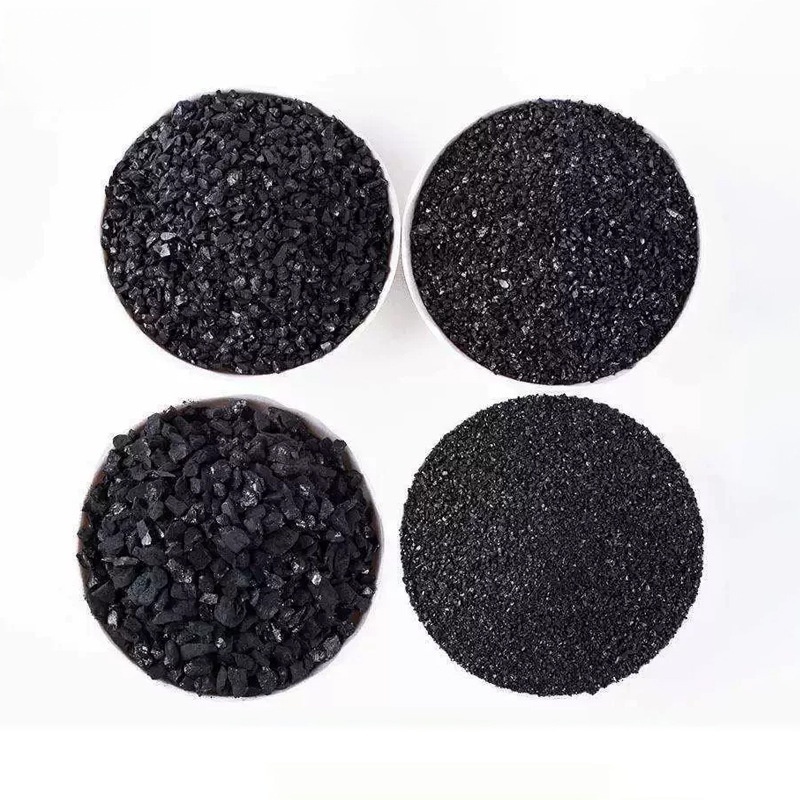
1. Coconut Shell Granular Activated Carbon: Ideal for removing organic compounds and chlorine from drinking water systems. Its high surface area and pore structure make it effective for taste and odor control.
2. Powdered Activated Carbon: Perfect for emergency treatment or seasonal odor problems. This fine powder provides rapid adsorption for immediate results.
3. Columnar Activated Carbon: Designed for industrial applications requiring high flow rates and low pressure drop. Its cylindrical shape ensures uniform water flow and consistent performance.
4. Spherical Activated Carbon: Offers excellent mechanical strength and low dust generation, making it suitable for systems requiring frequent backwashing.
5. Honeycomb Activated Carbon: Specialized for gas-phase filtration applications, including VOC removal in industrial settings.
When selecting activated carbon for Japanese mechanical filters, several factors must be considered:
| Factor | Consideration for Japan |
|---|---|
| Iodine Number | Higher numbers (800-1200 mg/g) indicate better organic removal capacity |
| Particle Size | 0.5-1.5mm for granular, 200-325 mesh for powdered |
| Hardness | Minimum 95% for industrial applications to withstand backwashing |
| Ash Content | Maximum 5% to prevent clogging and pressure drop |
| pH Stability | Neutral pH (6-8) to prevent corrosion in metal filter systems |
For optimal performance in Japanese mechanical filters, we recommend regular carbon replacement every 6-12 months, depending on water quality and usage patterns. Our technical team can provide customized replacement schedules based on your specific application requirements.
Polyacrylamide for Enhanced Filtration Performance
Polyacrylamide (PAM) is an essential chemical for mechanical filter maintenance in Japan, particularly for systems dealing with high levels of suspended solids. Our high-quality polyacrylamide products offer several benefits:
1. Improved Flocculation: Helps aggregate fine particles into larger flocs that are easier to remove during filtration
2. Reduced Turbidity: Clarifies water by removing colloidal particles that cause cloudiness
3. Enhanced Sedimentation: Accelerates the settling of suspended solids in pretreatment stages
4. Extended Filter Media Life: Reduces clogging and extends the time between media replacements
5. Lower Backwash Frequency: Maintains cleaner filter beds, reducing maintenance requirements
When using polyacrylamide in Japanese mechanical filters, proper dosing is crucial:
- Start with 1-5 ppm for most applications
- Adjust based on jar testing results
- Monitor water quality parameters regularly
- Use cationic PAM for organic-laden waters
- Use anionic PAM for inorganic suspended solids
Our polyacrylamide products are available in both powder and emulsion forms to suit different application methods. The emulsion form offers faster dissolution and easier handling, while the powder form provides cost advantages for large-scale applications.
Citric Acid for Effective Filter Cleaning
Citric acid has become the preferred choice for chemical cleaning of mechanical filters in Japan due to its effectiveness and environmental safety profile. Our food-grade citric acid offers several advantages:
1. Inorganic Scale Removal: Dissolves calcium carbonate, iron oxide, and other mineral deposits
2. Organic Contaminant Breakdown: Helps remove biofilms and organic coatings
3. pH Adjustment: Can be used to neutralize alkaline waters before filtration
4. Safe Handling: Non-toxic and biodegradable, meeting Japan’s strict environmental regulations
5. Versatile Application: Suitable for all filter media types including activated carbon, sand, and anthracite
A typical citric acid cleaning protocol for Japanese mechanical filters involves:
- Backwash the filter to remove loose debris
- Prepare a 3-5% citric acid solution (adjust based on scale severity)
- Circulate the solution through the filter for 4-8 hours
- Rinse thoroughly with clean water
- Perform a final backwash to restore filter bed
For heavily scaled systems, we recommend increasing the concentration to 8-10% or extending the circulation time. Our technical team can provide customized cleaning protocols based on your specific water analysis and filter condition.
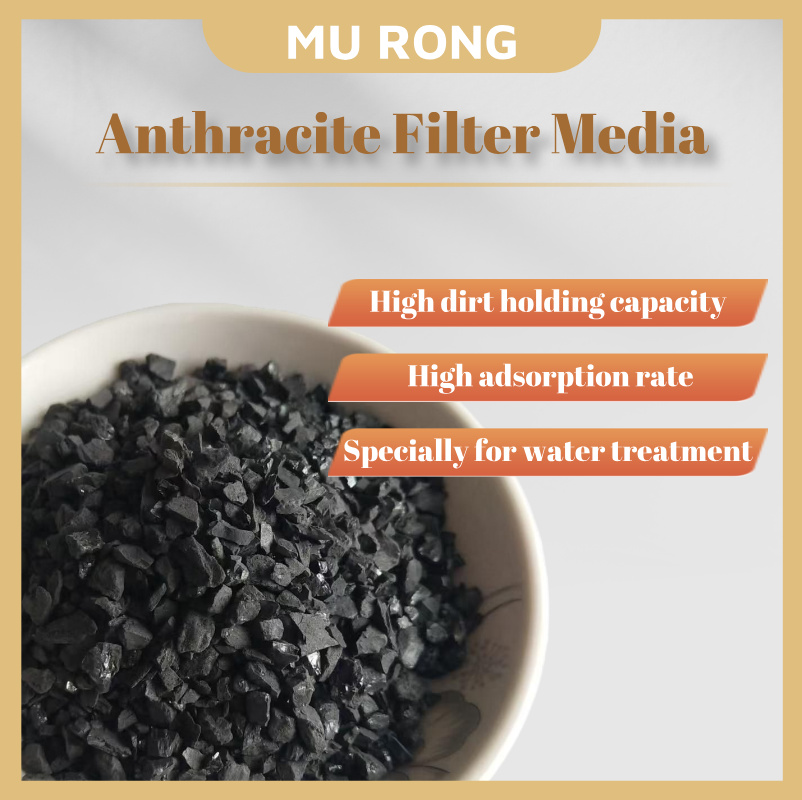
Anthracite Filter Media for Superior Mechanical Filtration
Anthracite coal filter media remains a popular choice for mechanical filtration in Japan due to its excellent mechanical properties and filtration efficiency. Our premium anthracite offers several benefits:
1. High Hardness: Withstands repeated backwashing without significant attrition
2. Low Density: Provides excellent filtration with minimal pressure drop
3. Uniform Particle Size: Ensures consistent filtration performance
4. Chemical Resistance: Maintains integrity in varying pH conditions
5. Long Service Life: Reduces replacement frequency and operating costs
When selecting anthracite for Japanese mechanical filters, consider these specifications:
| Parameter | Specification |
|---|---|
| Size Range | 0.5-1.2mm (effective size 0.6-0.8mm) |
| Uniformity Coefficient | ≤1.6 for consistent filtration |
| Specific Gravity | 1.4-1.6 g/cm³ |
| Hardness | 3.5-4.0 on Mohs scale |
| Acid Solubility | ≤2% in 10% HCl solution |
For optimal performance, we recommend a multi-media filtration approach combining anthracite with sand and activated carbon. This configuration provides graded filtration that captures particles of varying sizes while extending the service life of each media layer.
Comprehensive Maintenance Programs for Japanese Clients
Understanding the unique needs of Japanese clients, we’ve developed comprehensive maintenance programs that combine our high-quality products with expert technical support:
1. Regular Inspection Services: Our engineers visit your site to assess filter condition and recommend maintenance actions
2. Water Quality Analysis: Comprehensive testing to identify contaminants and determine appropriate treatment methods
3. Customized Product Packages: Tailored combinations of activated carbon, polyacrylamide, citric acid, and anthracite based on your specific needs
4. Training Programs: On-site or virtual training for your maintenance staff on proper filter care techniques
5. Emergency Support: 24/7 availability to address urgent filter problems or unexpected failures
Our Japanese clients particularly appreciate our attention to detail and commitment to quality. We provide all product documentation in Japanese, including safety data sheets, technical specifications, and usage instructions. Our logistics team ensures timely delivery throughout Japan, with special handling for remote island locations.
FAQ
What is the best activated carbon for Japanese drinking water systems?
For Japanese drinking water applications, we recommend our coconut shell granular activated carbon with NSF/ANSI 61 certification. Its high purity and excellent adsorption capacity make it ideal for removing organic contaminants, chlorine, and unpleasant odors while meeting Japan’s strict drinking water standards.
How often should mechanical filters be cleaned in Japan’s industrial environments?
Cleaning frequency depends on water quality and usage patterns, but we generally recommend:
- Daily backwashing for most systems
- Monthly chemical cleaning with citric acid
- Annual comprehensive maintenance including media inspection
- Media replacement every 3-5 years for anthracite, 1-2 years for activated carbon
Can polyacrylamide be used with all types of filter media?
Yes, polyacrylamide is compatible with all common filter media types including sand, anthracite, activated carbon, and garnet. However, proper dosing is essential to prevent media fouling. We recommend starting with low concentrations and gradually increasing based on jar test results.
What makes citric acid preferable to other chemical cleaners in Japan?
Citric acid offers several advantages over traditional cleaners like hydrochloric acid:
- Non-corrosive to filter components
- Biodegradable and environmentally friendly
- Effective at dissolving both organic and inorganic deposits
- Safe for handling by maintenance personnel
- Does not leave harmful residues
How can I determine the right anthracite size for my Japanese filter system?
The optimal anthracite size depends on your specific filtration requirements. For general-purpose filtration, we recommend an effective size of 0.6-0.8mm with a uniformity coefficient ≤1.6. For high-rate filtration applications, slightly larger particles (0.8-1.0mm) may be more appropriate. Our technical team can help you select the ideal size based on your flow rate and water quality.
Summary
Effective mechanical filter maintenance in Japan requires a combination of high-quality materials and proper maintenance techniques. Our comprehensive range of products including industrial activated carbon, polyacrylamide, citric acid, and anthracite filter media provides Japanese clients with everything needed to maintain optimal filter performance.
By understanding the unique challenges of Japan’s water quality and industrial requirements, we’ve developed specialized solutions that meet the country’s stringent standards while offering exceptional value. Our commitment to quality, combined with our technical expertise and responsive customer service, makes us the ideal partner for all your mechanical filter maintenance needs in Japan.
Whether you require routine maintenance supplies or comprehensive filter management solutions, Murong (Shanghai) International Trading Co., Ltd. is ready to support your operations with our premium products and expert guidance. Contact us today to discuss how we can help optimize your mechanical filtration systems for Japanese applications.