
In the rapidly evolving industrial landscape of Japan, efficient organic solvent recovery has become a critical component for businesses aiming to reduce costs, comply with environmental regulations, and enhance sustainability. As companies seek reliable partners to manage their solvent recovery needs, understanding the market’s top players and their offerings is essential. This comprehensive guide explores the leading organic solvent recovery services in Japan, highlighting suppliers, consultants, and innovative solutions that leverage industrial activated carbon for optimal results.
Understanding Organic Solvent Recovery in Japan
Organic solvent recovery is the process of reclaiming and reusing solvents from industrial processes, reducing waste and minimizing environmental impact. In Japan, where strict environmental regulations and a focus on sustainability drive business practices, solvent recovery has gained significant traction. The process typically involves distillation, adsorption, or membrane separation techniques, with activated carbon playing a pivotal role in adsorption-based systems.
Japan’s industrial sectors, including automotive, electronics, pharmaceuticals, and chemicals, heavily rely on organic solvents for various applications. Effective solvent recovery not only reduces operational costs but also helps companies meet regulatory requirements and demonstrate their commitment to environmental stewardship. As a result, the demand for professional solvent recovery services has surged, creating a competitive market with specialized providers offering tailored solutions.
Key Players in Japan’s Organic Solvent Recovery Market
The Japanese market for organic solvent recovery services is characterized by a mix of established companies and innovative newcomers, each offering unique strengths and capabilities. When evaluating potential partners, businesses should consider factors such as experience, technological expertise, service range, and customer support. Here are some of the top players in the industry:
1. Leading Solvent Recovery Suppliers in Japan
Suppliers form the backbone of the solvent recovery ecosystem, providing the equipment, materials, and expertise needed to implement effective recovery systems. Many suppliers in Japan specialize in designing and manufacturing custom solvent recovery units tailored to specific industry requirements. These units often incorporate advanced technologies such as high-efficiency distillation columns, precision membrane filters, and premium-grade activated carbon for maximum recovery rates.
In addition to equipment supply, leading solvent recovery suppliers in Japan offer comprehensive services, including system installation, commissioning, operator training, and ongoing maintenance. This end-to-end approach ensures seamless integration of solvent recovery systems into existing production processes, minimizing downtime and optimizing performance. Some suppliers also provide solvent analysis and process optimization services, helping clients identify opportunities for further efficiency gains.
2. Specialized Solvent Recovery Consultants in Japan
For businesses seeking expert guidance on solvent recovery strategies, specialized consultants offer invaluable insights and support. These consultants possess deep industry knowledge and experience, enabling them to assess clients’ unique needs and recommend tailored solutions. Their services typically include solvent recovery feasibility studies, process design and optimization, vendor selection assistance, and regulatory compliance guidance.
Solvent recovery consultants in Japan often collaborate closely with equipment suppliers and technology providers, ensuring their recommendations align with the latest industry advancements. By leveraging their extensive networks and expertise, consultants help clients navigate the complex landscape of solvent recovery, avoiding common pitfalls and maximizing return on investment. Many consultants also offer training programs and workshops to educate clients’ staff on best practices for solvent recovery operation and maintenance.
The Role of Industrial Activated Carbon in Solvent Recovery
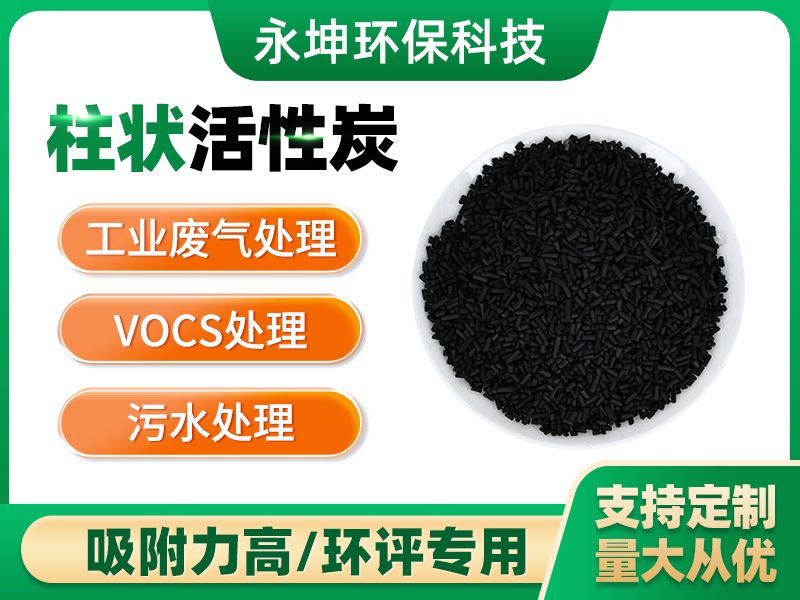
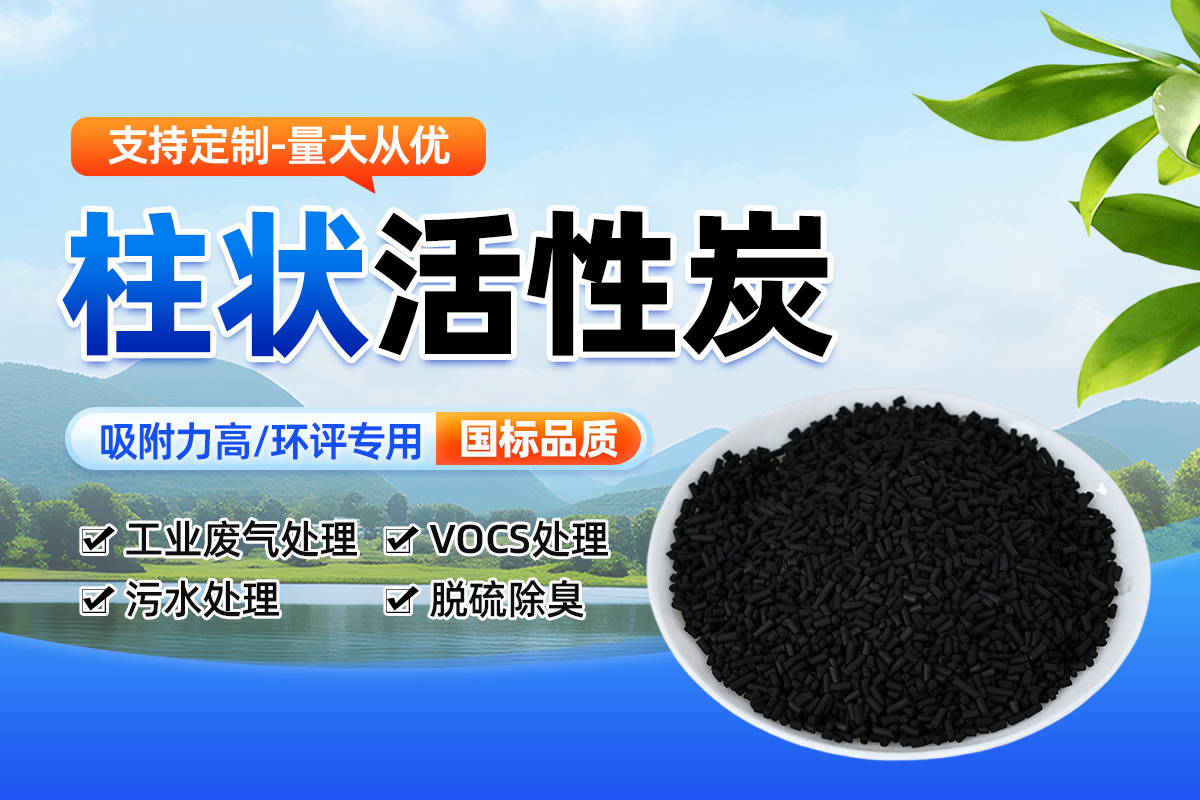
Activated carbon is a key material in many solvent recovery processes, particularly those based on adsorption technology. Its highly porous structure and large surface area enable it to effectively capture and retain solvent molecules from gas or liquid streams. In Japan, where high-quality standards and precision are paramount, industrial-grade activated carbon plays a crucial role in ensuring efficient and reliable solvent recovery.
Several types of activated carbon are used in solvent recovery applications, including coconut shell-based, coal-based, and wood-based variants. Each type offers distinct advantages in terms of pore size distribution, surface area, and chemical resistance, allowing for optimization based on specific solvent properties and process conditions. For example, coconut shell-based activated carbon is often preferred for recovering volatile organic compounds (VOCs) due to its high microporosity and excellent adsorption capacity.
| Activated Carbon Type | Key Characteristics | Typical Solvent Recovery Applications |
|---|---|---|
| Coconut Shell-Based | High microporosity, large surface area, excellent hardness | VOC recovery, solvent purification in pharmaceuticals |
| Coal-Based | Balanced pore size distribution, good mechanical strength | General-purpose solvent recovery, air purification |
| Wood-Based | High macroporosity, good for large molecule adsorption | Deodorization, recovery of high-boiling-point solvents |
In Japan, activated carbon suppliers adhere to stringent quality control standards to ensure consistent performance and reliability. Many suppliers offer customized activated carbon products tailored to specific solvent recovery requirements, optimizing parameters such as particle size, pore structure, and surface chemistry. This level of customization enables businesses to achieve higher recovery rates, lower operating costs, and extended carbon service life.
Choosing the Right Solvent Recovery Partner in Japan
Selecting the ideal solvent recovery partner in Japan requires careful consideration of several factors. By evaluating potential suppliers and consultants based on the following criteria, businesses can make informed decisions that align with their specific needs and goals:
- Experience and Expertise: Look for partners with a proven track record in your industry and a deep understanding of solvent recovery technologies. Experienced providers are better equipped to anticipate challenges and offer effective solutions.
- Technological Capabilities: Assess the partner’s technological infrastructure and innovation capabilities. Leading providers invest in research and development to stay at the forefront of industry advancements, offering cutting-edge solutions that enhance efficiency and performance.
- Service Range: Consider the breadth of services offered by the partner, from equipment supply and installation to ongoing maintenance and optimization. A comprehensive service portfolio ensures seamless support throughout the solvent recovery system’s lifecycle.
- Customer Support: Evaluate the partner’s customer support capabilities, including responsiveness, technical expertise, and availability. Reliable support is crucial for minimizing downtime and addressing issues promptly.
- Regulatory Compliance: Ensure the partner has a thorough understanding of relevant environmental regulations and standards in Japan. Compliance expertise helps avoid legal risks and demonstrates a commitment to sustainable practices.
- Cost-Effectiveness: While cost should not be the sole determining factor, it is essential to consider the overall value proposition offered by the partner. Look for providers that offer competitive pricing without compromising on quality or service.
FAQ
What is the typical cost of organic solvent recovery services in Japan?
The cost of organic solvent recovery services in Japan varies depending on factors such as the type and scale of the system, the complexity of the process, and the level of customization required. On average, businesses can expect to invest between ¥5 million and ¥50 million for a complete solvent recovery solution, including equipment, installation, and commissioning. Ongoing operating costs, such as energy consumption and activated carbon replacement, should also be considered when evaluating total cost of ownership.
How long does it take to implement a solvent recovery system in Japan?
The implementation timeline for a solvent recovery system in Japan depends on several factors, including the project’s scope, the availability of existing infrastructure, and regulatory approval processes. On average, a typical solvent recovery project takes between 3 to 12 months from initial consultation to system commissioning. Working with an experienced provider can help streamline the process and minimize delays.
What are the environmental benefits of organic solvent recovery in Japan?
Organic solvent recovery offers significant environmental benefits in Japan, including reduced greenhouse gas emissions, minimized waste generation, and decreased reliance on virgin solvents. By recovering and reusing solvents, businesses can lower their carbon footprint and contribute to a more circular economy. Additionally, solvent recovery helps companies comply with strict environmental regulations, avoiding potential fines and reputational damage.
Can solvent recovery systems be customized for specific industry applications in Japan?
Yes, solvent recovery systems in Japan can be highly customized to meet the unique requirements of different industries and applications. Leading providers offer tailored solutions that consider factors such as solvent type, concentration, flow rate, and process conditions. Customization may involve selecting the appropriate activated carbon grade, optimizing distillation column design, or integrating advanced control systems for precise operation.
Summary
Navigating Japan’s organic solvent recovery market requires a thorough understanding of the key players, technologies, and considerations involved. By partnering with reputable suppliers and consultants that offer high-quality industrial activated carbon and customized solutions, businesses can achieve efficient and sustainable solvent recovery, reducing costs and enhancing their environmental footprint. As Japan continues to prioritize sustainability and innovation, the demand for professional solvent recovery services is expected to grow, creating new opportunities for collaboration and advancement in the industry.