
The textile industry in Japan is renowned for its high-quality products and innovative designs. However, the dyeing process generates significant amounts of wastewater containing various pollutants that require effective treatment before discharge. This article explores the most suitable materials and solutions for treating textile dyeing wastewater in Japan, focusing on activated carbon, polyacrylamide, and citric acid from reputable suppliers like Murong (Shanghai) International Trading Co., Ltd.
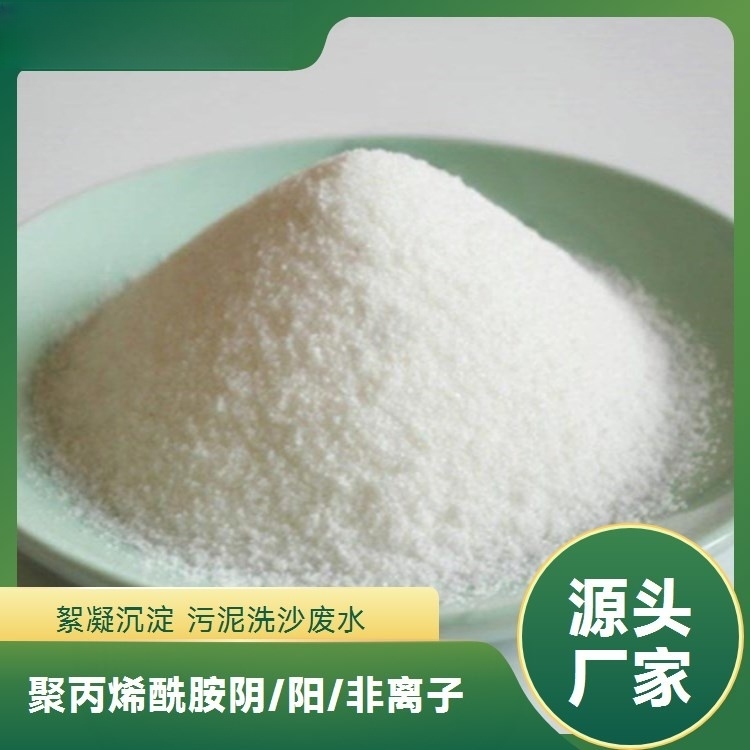
Understanding Japan Textile Dyeing Wastewater Challenges
Textile dyeing wastewater in Japan presents unique challenges due to the country’s strict environmental regulations and high standards for water quality. The wastewater typically contains:
- Colorants and dyes that are difficult to remove
- Heavy metals from dyeing processes
- High levels of organic matter
- Varying pH levels depending on the dyeing method
- Suspended solids from fabric fibers
Effective treatment requires a combination of physical, chemical, and biological processes to meet Japan’s stringent discharge standards. The choice of treatment materials significantly impacts the efficiency and cost-effectiveness of the process.
Activated Carbon: The Gold Standard for Dye Removal
Activated carbon is widely recognized as one of the most effective materials for removing dyes from textile wastewater. Its high surface area and porous structure make it ideal for adsorbing organic compounds and colorants. For Japan textile dyeing wastewater treatment, several types of activated carbon are particularly suitable:
Coconut Shell Activated Carbon
Coconut shell activated carbon offers excellent adsorption capacity for dyes and organic pollutants. Its micro-porous structure provides a large surface area for contaminant removal, making it highly effective for color removal from textile wastewater. This type of activated carbon is particularly suitable for treating wastewater from synthetic dye processes.
Columnar Activated Carbon
Columnar activated carbon is valued for its mechanical strength and uniform pore structure. It’s often used in fixed-bed filtration systems for continuous wastewater treatment processes. The columnar shape reduces pressure drop in the system while maintaining high adsorption efficiency, making it ideal for large-scale textile dyeing wastewater treatment facilities in Japan.
Spherical Activated Carbon
Spherical activated carbon offers excellent flow characteristics and uniform particle size distribution. These properties make it suitable for fluidized bed reactors and other advanced treatment systems. Its spherical shape provides better contact between the carbon and wastewater, enhancing the adsorption process for dye removal.
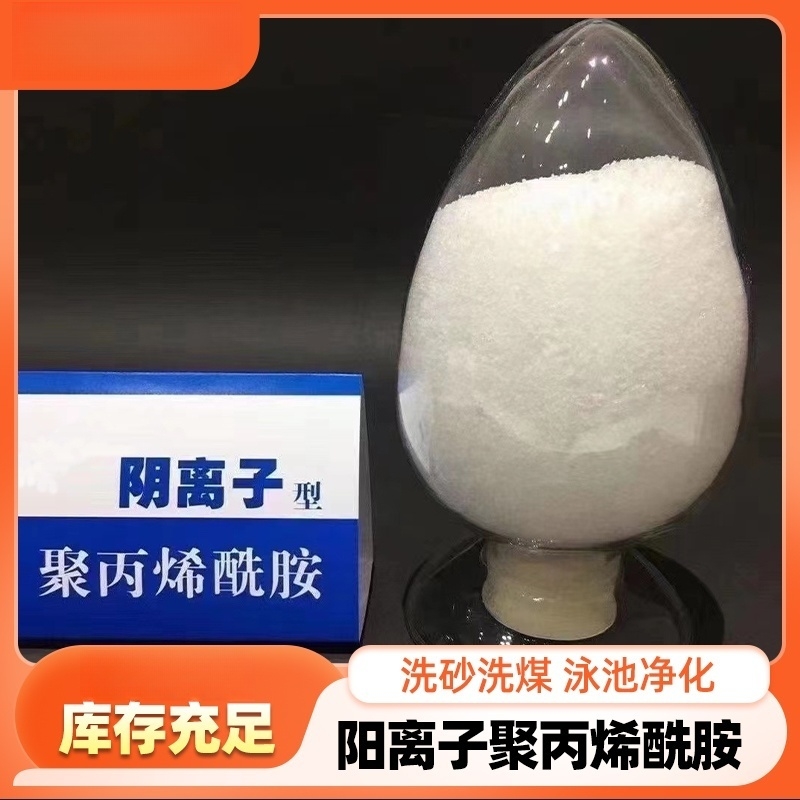
Polyacrylamide: Enhancing Coagulation and Flocculation
Polyacrylamide (PAM) plays a crucial role in the coagulation-flocculation process of textile dyeing wastewater treatment. This water-soluble polymer helps aggregate suspended particles and organic matter, making them easier to remove through sedimentation or filtration.
Cationic Polyacrylamide for Dye Removal
Cationic polyacrylamide is particularly effective for treating textile dyeing wastewater containing anionic dyes. The positive charges on the polymer molecules neutralize the negative charges on dye particles, promoting aggregation and precipitation. This makes it an excellent choice for primary treatment before activated carbon adsorption.
Anionic Polyacrylamide for Sludge Dewatering
After primary treatment, the resulting sludge needs proper dewatering before disposal. Anionic polyacrylamide helps in this process by improving the dewatering characteristics of the sludge, reducing its volume and making it easier to handle. This is particularly important in Japan where landfill space is limited and strict regulations govern sludge disposal.
Non-ionic Polyacrylamide for General Applications
Non-ionic polyacrylamide offers versatility in various wastewater treatment scenarios. It can be used as a coagulant aid or flocculant in systems where both organic and inorganic contaminants need removal. Its neutral charge makes it suitable for treating wastewater with varying pH levels, which is common in textile dyeing processes.
Citric Acid: A Natural Solution for pH Adjustment and Metal Removal
Citric acid serves multiple purposes in textile dyeing wastewater treatment in Japan:
pH Adjustment Agent
Many dyeing processes result in alkaline wastewater that needs neutralization before treatment. Citric acid provides an effective and environmentally friendly solution for pH adjustment, bringing the wastewater to optimal levels for subsequent treatment processes.
Heavy Metal Chelating Agent
Textile dyeing wastewater often contains heavy metals like chromium, copper, and nickel from dye formulations and finishing processes. Citric acid forms stable complexes with these metals, making them easier to remove through precipitation or filtration. This is particularly important in Japan where strict regulations limit heavy metal concentrations in discharged water.
Biodegradable Alternative
As a naturally occurring compound, citric acid offers a biodegradable alternative to synthetic chemicals for wastewater treatment. This aligns with Japan’s emphasis on sustainable industrial practices and reduces the environmental impact of treatment processes.
| Treatment Material | Primary Function | Recommended Application Stage |
|---|---|---|
| Activated Carbon | Adsorption of dyes and organic compounds | Final polishing stage |
| Polyacrylamide | Coagulation and flocculation of suspended solids | Primary treatment stage |
| Citric Acid | pH adjustment and heavy metal chelation | Pre-treatment stage |
Selecting the Right Supplier for Japan Textile Dyeing Wastewater Treatment
Choosing a reliable supplier is crucial for ensuring consistent quality and performance of treatment materials. When evaluating suppliers for Japan textile dyeing wastewater treatment, consider the following factors:
- Product quality and consistency: Look for suppliers with strict quality control measures and certification for their products
- Technical support: Choose suppliers that offer technical assistance in selecting the right materials and optimizing treatment processes
- Supply chain reliability: Ensure the supplier can provide consistent, timely deliveries to avoid disruptions in your treatment operations
- Environmental compliance: Verify that the supplier’s products meet Japan’s environmental regulations and standards
- Cost-effectiveness: Evaluate the total cost of ownership, including product quality, performance, and long-term reliability
FAQ
What is the most effective activated carbon for removing synthetic dyes from textile wastewater?
Coconut shell activated carbon is generally considered the most effective for removing synthetic dyes due to its high surface area and micro-porous structure that provides excellent adsorption capacity for organic compounds.
How does polyacrylamide improve the efficiency of textile wastewater treatment?
Polyacrylamide acts as a coagulant aid and flocculant, helping to aggregate suspended particles and organic matter into larger flocs that settle more easily or can be filtered out more efficiently. This improves the overall removal efficiency of contaminants from the wastewater.
Can citric acid replace synthetic chemicals in textile wastewater treatment?
Yes, citric acid can serve as a natural alternative to synthetic chemicals for pH adjustment and heavy metal removal in textile wastewater treatment. Its biodegradability makes it an environmentally friendly option that aligns with sustainable practices.
What factors should be considered when selecting activated carbon for textile dyeing wastewater treatment?
Key factors include the type of dyes present in the wastewater, the required removal efficiency, the contact time available in the treatment system, and the cost-effectiveness of the activated carbon type. Coconut shell activated carbon is often preferred for its high adsorption capacity.
How can I ensure consistent quality when purchasing treatment materials for Japan textile dyeing wastewater?
Work with reputable suppliers that have established quality control systems and can provide certification for their products. Look for suppliers with experience in the Japanese market who understand the specific requirements and standards for textile wastewater treatment in Japan.
Summary
Effective treatment of textile dyeing wastewater in Japan requires a combination of specialized materials and processes. Activated carbon, particularly coconut shell and columnar types, offers excellent dye removal capabilities. Polyacrylamide enhances coagulation and flocculation, improving the removal of suspended solids and organic matter. Citric acid provides a natural solution for pH adjustment and heavy metal removal, aligning with Japan’s emphasis on sustainable practices.
When selecting treatment materials, consider the specific characteristics of your wastewater, treatment process requirements, and regulatory standards in Japan. Partnering with a reliable supplier like Murong (Shanghai) International Trading Co., Ltd. ensures access to high-quality materials and technical support to optimize your textile dyeing wastewater treatment system.
By implementing these solutions, textile manufacturers in Japan can effectively treat their wastewater, comply with environmental regulations, and contribute to sustainable industrial practices in the country.