
Japan’s wastewater treatment industry faces unique challenges requiring specialized deep filtration solutions. As a leading international water treatment materials supplier with extensive experience in the Japanese market, Murong (Shanghai) International Trading Co., Ltd. provides comprehensive solutions tailored to Japan’s stringent environmental standards and specific industrial requirements. This guide explores the critical components of effective deep filtration systems for Japanese wastewater treatment stations, covering product selection, supplier evaluation, and maintenance strategies.
Understanding Japan’s Wastewater Treatment Requirements
Japan’s advanced industrial sector generates complex wastewater streams requiring sophisticated treatment solutions. The country’s strict environmental regulations, including the Water Pollution Control Law, mandate stringent effluent quality standards. Deep filtration systems play a crucial role in achieving these standards by removing suspended solids, organic contaminants, and specific pollutants through multiple treatment stages.
The typical Japanese wastewater treatment process includes preliminary treatment (screening, grit removal), primary treatment (sedimentation), secondary treatment (biological processes), and advanced treatment (deep filtration, disinfection). Deep filtration occurs in the final stages, ensuring water meets reuse or discharge requirements. This stage requires specialized materials capable of handling Japan’s unique industrial wastewater characteristics, including high salt concentrations, heavy metals, and complex organic compounds.
Key Filtration Materials for Japanese Applications
Selecting appropriate filtration materials is critical for effective deep filtration in Japanese wastewater treatment. Based on our extensive experience supplying Japan’s water treatment industry, we recommend the following core products:
1. Industrial Activated Carbon
Activated carbon remains the cornerstone of deep filtration systems in Japan due to its exceptional adsorption capabilities. We supply four primary types tailored to Japanese applications:
- Coconut Shell Activated Carbon: Ideal for removing organic contaminants, chlorine, and odors in potable water treatment applications
- Columnar Activated Carbon: Preferred for gas phase applications and specific industrial wastewater treatment processes
- Spherical Activated Carbon: Used in specialized applications requiring uniform particle size and consistent flow rates
- Honeycomb Activated Carbon: Effective for volatile organic compound (VOC) removal in industrial exhaust treatment systems
For Japanese wastewater treatment, we recommend coconut shell activated carbon for its high surface area (typically 1,000-1,200 m²/g) and excellent pore structure, which effectively removes persistent organic pollutants common in Japanese industrial wastewater. Our products meet Japan’s JIS K1474 standard for activated carbon quality.
2. Polyacrylamide (PAM) Selection
Polyacrylamide plays a vital role in Japan’s wastewater treatment as a flocculant and coagulant aid. Our product range includes:
- Anionic Polyacrylamide: Effective for negatively charged colloids common in industrial wastewater
- Cationic Polyacrylamide: Preferred for organic sludge dewatering applications
- Nonionic Polyacrylamide: Suitable for neutral pH conditions and specific industrial processes
For Japanese applications, we recommend cationic polyacrylamide with medium to high molecular weight (8-12 million) for optimal sludge dewatering performance. Our products comply with Japan’s Food Sanitation Law when used in food-related wastewater treatment.
3. Specialized Filter Media
Complementing activated carbon and polyacrylamide, we supply additional filter media essential for Japanese deep filtration systems:
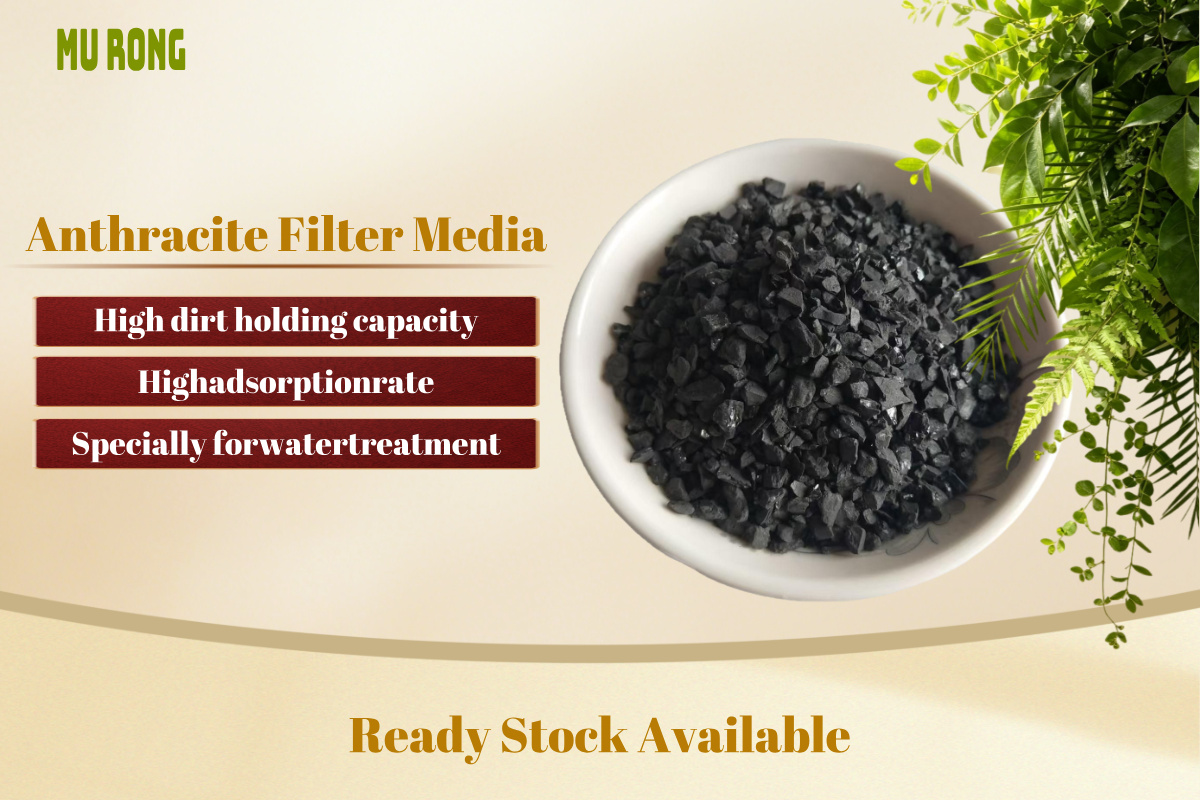
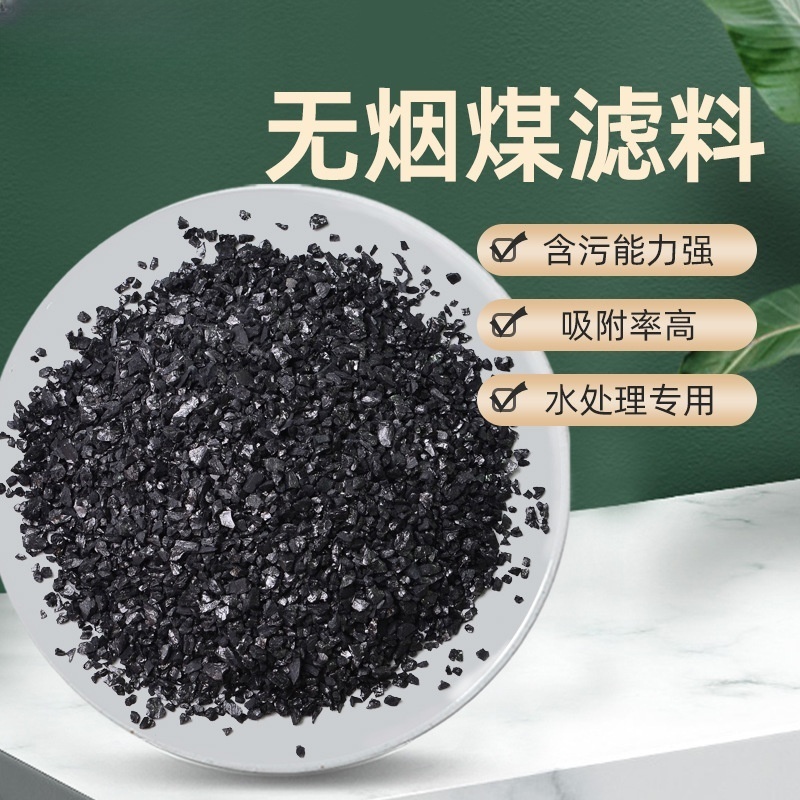
- Anthracite Filter Media: Provides excellent filtration for suspended solids removal
- Polyaluminum Chloride (PAC): Effective coagulant for various wastewater types
- Citric Acid: Used for pH adjustment and heavy metal chelation
- Sodium Hydroxide: Critical for pH control in advanced treatment processes
| Product | Key Application in Japan | Recommended Grade |
|---|---|---|
| Coconut Shell Activated Carbon | Organic pollutant removal | Powdered (200-325 mesh) |
| Cationic Polyacrylamide | Sludge dewatering | Medium molecular weight |
| Anthracite Filter Media | Suspended solids removal | 0.6-1.2mm particle size |
Evaluating Suppliers for Japan Wastewater Treatment
Selecting reliable suppliers is crucial for maintaining consistent treatment performance. When evaluating potential partners for your Japan wastewater treatment projects, consider these key factors:
1. Product Quality Certification
Ensure suppliers provide products meeting Japanese industrial standards (JIS) and relevant environmental certifications. For activated carbon, verify compliance with JIS K1474. For chemicals, confirm adherence to Japan’s Chemical Substances Control Law (CSCL) and Food Sanitation Law where applicable.
2. Technical Support Capabilities
Choose suppliers offering comprehensive technical support, including:
- On-site consultation for system optimization
- Laboratory testing services for material selection
- Custom formulation capabilities for specific applications
- Training programs for plant operators
3. Supply Chain Reliability
Given Japan’s emphasis on consistent operation, select suppliers with:
- Proven track record of timely deliveries
- Multiple production facilities for redundancy
- Inventory management systems to prevent shortages
- Emergency response capabilities
4. Environmental Compliance
Verify suppliers maintain proper environmental management systems (ISO 14001 certification preferred) and can provide documentation for all products to satisfy Japan’s strict regulatory requirements.
Mechanical Filter Maintenance Solutions for Japan
Effective maintenance extends filter system lifespan and ensures consistent performance. Based on our experience servicing Japan’s water treatment facilities, we recommend these maintenance strategies:
1. Regular Backwashing Protocols
Implement scheduled backwashing using optimized flow rates and durations specific to your filter media. For anthracite filters in Japanese applications, we recommend backwashing at 15-20 L/s·m² for 8-10 minutes every 24-48 hours of operation.
2. Media Replacement Scheduling
Develop media replacement schedules based on:
- Water quality analysis results
- Operating hours since last replacement
- Pressure differential measurements
- Manufacturer recommendations
For activated carbon systems in Japan, typical replacement intervals range from 6-18 months depending on contaminant loading.
3. Preventive Maintenance Programs
Establish comprehensive preventive maintenance including:
- Quarterly inspections of filter underdrains
- Annual cleaning of backwash water distribution systems
- Bi-annual calibration of flow meters and pressure gauges
- Regular verification of chemical feed systems
FAQ
What is the best activated carbon for removing pharmaceutical residues in Japanese wastewater?
For pharmaceutical residue removal, we recommend coconut shell activated carbon with high mesopore volume (40-60% of total pore volume). This provides optimal adsorption for medium-sized molecules common in pharmaceutical compounds. Our premium grade coconut shell carbon achieves 95%+ removal efficiency for most pharmaceuticals at proper contact times.
How often should polyacrylamide dosage be adjusted in Japanese wastewater treatment?
Polyacrylamide dosage should be evaluated weekly at minimum, with daily monitoring recommended during process changes or influent quality variations. Factors requiring adjustment include influent suspended solids concentration, pH, temperature, and coagulant type. Our technical team provides free dosage optimization services for Japanese clients.
What maintenance is required for mechanical filters in Japan’s humid climate?
In Japan’s humid conditions, special attention should be paid to: 1) Regular inspection of filter control panels for moisture ingress 2) Lubrication of moving parts with climate-resistant greases 3) Corrosion protection for metal components 4) Verification of proper ventilation in filter control rooms. We offer specialized maintenance packages addressing these climate-specific challenges.
How to select filter media suppliers compliant with Japan’s PL Law?
When selecting suppliers for compliance with Japan’s Product Liability Law, verify: 1) ISO 9001 quality management certification 2) Product traceability systems 3) Regular third-party testing reports 4) Proper labeling in Japanese 5) Availability of Material Safety Data Sheets (MSDS) in Japanese. All our products meet these requirements and include full Japanese documentation.
Summary
Effective deep filtration in Japan’s wastewater treatment stations requires careful selection of specialized materials, reliable suppliers, and comprehensive maintenance programs. As an experienced international supplier with deep understanding of Japan’s unique requirements, Murong (Shanghai) International Trading Co., Ltd. offers tailored solutions including high-quality industrial activated carbon, optimized polyacrylamide formulations, and specialized filter media. Our technical team provides end-to-end support from initial system design through ongoing operation and maintenance, ensuring your facilities meet Japan’s stringent environmental standards while maintaining optimal performance and cost efficiency.