
The textile industry in Japan faces significant challenges when it comes to wastewater treatment, particularly from dyeing processes. With stringent environmental regulations and increasing demand for sustainable practices, finding reliable solutions and suppliers has become crucial for textile manufacturers. This comprehensive guide explores the most reputable companies and effective materials for textile dyeing wastewater treatment in Japan, helping you make informed decisions for your business.

Understanding Textile Dyeing Wastewater Treatment Challenges
Textile dyeing processes generate wastewater containing various pollutants including dyes, chemicals, heavy metals, and organic compounds. These contaminants pose serious environmental risks if not properly treated before discharge. In Japan, where environmental standards are particularly strict, textile manufacturers must implement effective wastewater treatment systems to comply with regulations and minimize their ecological footprint.
The treatment of textile dyeing wastewater typically involves several stages including primary treatment (removal of suspended solids), secondary treatment (biological degradation of organic matter), and tertiary treatment (advanced purification to remove specific contaminants). The choice of treatment materials and technologies depends on the specific characteristics of the wastewater and the required discharge standards.
Key Players in Japan’s Textile Dyeing Wastewater Treatment Market
When searching for “Japan textile dyeing wastewater treatment which is reliable” or similar queries, several companies stand out for their expertise and reputation in providing effective solutions. While we won’t mention specific brands, we’ll outline the qualities that make a supplier reputable in this field:
1. Technical Expertise: Reputable suppliers offer comprehensive technical support, helping clients analyze their wastewater characteristics and design customized treatment solutions.
2. Product Quality: Reliable companies provide high-quality treatment materials that consistently meet performance specifications.
3. Compliance Assurance: Trusted suppliers ensure their products and solutions help clients comply with all relevant Japanese environmental regulations.
4. Case Studies and References: Established companies can provide documented case studies and references from satisfied clients in the textile industry.
5. After-Sales Support: Reputable suppliers offer ongoing technical support and maintenance services to ensure optimal performance of treatment systems.
Effective Materials for Textile Dyeing Wastewater Treatment
Several key materials play crucial roles in treating textile dyeing wastewater. Understanding their properties and applications can help you evaluate potential suppliers more effectively:
1. Industrial Activated Carbon
Activated carbon is widely recognized as one of the most effective materials for removing dyes, organic compounds, and heavy metals from textile wastewater. Its high surface area and porous structure provide excellent adsorption capabilities.
For textile dyeing wastewater treatment, coconut shell activated carbon is often preferred due to its superior hardness and resistance to attrition, which is important for maintaining performance in continuous-flow systems. The micro-pore structure of coconut shell carbon is particularly effective at adsorbing small molecular weight compounds commonly found in dye wastewater.
When evaluating activated carbon suppliers, consider factors such as iodine number (a measure of adsorption capacity), particle size distribution, and ash content. Reputable suppliers will provide detailed product specifications and can offer guidance on selecting the most appropriate grade for your specific wastewater characteristics.
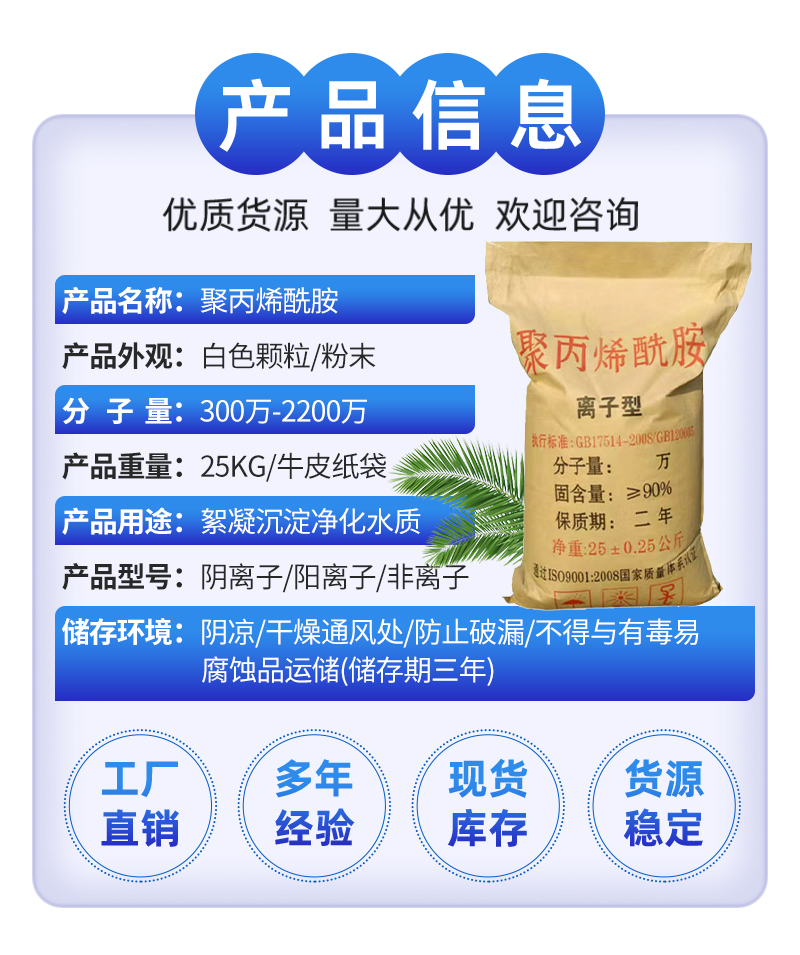
2. Polyacrylamide (PAM)
Polyacrylamide is a synthetic polymer used primarily as a flocculant in wastewater treatment. It helps aggregate fine suspended particles into larger flocs that can be more easily removed through sedimentation or filtration.
In textile dyeing wastewater treatment, PAM plays a crucial role in the secondary treatment stage by improving the efficiency of biological treatment processes and reducing the load on tertiary treatment systems. It’s particularly effective at removing color and suspended solids from dye wastewater.
When selecting a polyacrylamide supplier, consider the molecular weight and charge density of their products, as these properties affect performance. Also, ensure the supplier can provide products that are compatible with your existing treatment processes and equipment.
3. Other Important Treatment Materials
While activated carbon and polyacrylamide are key components, effective textile dyeing wastewater treatment often requires a combination of materials:
- Citric acid: Used for pH adjustment and as a chelating agent to remove heavy metals
- Anthracite filter media: Effective for removing suspended solids in filtration systems
- Polyaluminum chloride (PAC): A coagulant that works well with polyacrylamide in primary treatment
- Sodium hydroxide: Used for pH adjustment and neutralization of acidic wastewater
Evaluating Suppliers for Textile Dyeing Wastewater Treatment
Choosing the right supplier is as important as selecting the right treatment materials. Here are key factors to consider when evaluating potential partners for your textile dyeing wastewater treatment needs:
1. Industry Experience: Look for suppliers with specific experience in the textile industry and a proven track record of successful installations.
2. Product Range: A supplier that offers a comprehensive range of treatment materials can provide more integrated solutions and better technical support.
3. Technical Support: The ability to provide on-site analysis, treatment system design, and ongoing optimization is crucial for achieving optimal results.
4. Regulatory Compliance: Ensure the supplier understands and can help you comply with all relevant Japanese environmental regulations.
5. Logistics and Supply Chain: Consider the supplier’s ability to provide consistent, timely deliveries, especially if you require regular replenishment of consumable materials.
6. Cost-Effectiveness: While price is important, evaluate the total cost of ownership, considering factors like material lifespan, treatment efficiency, and potential savings from reduced regulatory compliance risks.
Case Study: Successful Implementation in a Japanese Textile Plant
While we can’t name specific companies, let’s examine a hypothetical case study that illustrates best practices in implementing wastewater treatment solutions for textile dyeing in Japan:
A medium-sized textile manufacturer in Osaka was facing challenges meeting local discharge standards for color and chemical oxygen demand (COD) in their wastewater. After a comprehensive analysis of their wastewater characteristics and treatment processes, they implemented a multi-stage solution:
1. Primary treatment with polyaluminum chloride and polyacrylamide to remove suspended solids and reduce COD
2. Biological treatment in an activated sludge system for organic matter degradation
3. Tertiary treatment with coconut shell activated carbon to remove residual color and trace contaminants
4. Final pH adjustment with sodium hydroxide before discharge
The supplier provided not only the high-quality treatment materials but also comprehensive technical support throughout the implementation process, including system design, operator training, and performance monitoring.
As a result, the textile plant achieved consistent compliance with local regulations, reduced their environmental impact, and avoided potential fines. The solution also proved cost-effective, with the activated carbon system operating efficiently for over two years before requiring regeneration.
FAQ
What makes coconut shell activated carbon particularly effective for textile dyeing wastewater treatment?
Coconut shell activated carbon is preferred for textile dyeing wastewater treatment due to its high micro-pore volume, which provides excellent adsorption capacity for small molecular weight compounds commonly found in dye wastewater. Its hardness and resistance to attrition also make it suitable for continuous-flow systems, ensuring long-lasting performance in industrial applications.
How does polyacrylamide improve the efficiency of wastewater treatment processes?
Polyacrylamide acts as a flocculant, helping to aggregate fine suspended particles into larger flocs that can be more easily removed through sedimentation or filtration. This improves the efficiency of primary treatment processes, reduces the load on biological treatment systems, and enhances the overall performance of the wastewater treatment plant.
What factors should I consider when selecting activated carbon for dye wastewater treatment?
Key factors to consider include the iodine number (which indicates adsorption capacity), particle size distribution (which affects flow characteristics), ash content (which can affect performance), and the specific pore structure (micro-pores are important for dye adsorption). A reputable supplier will provide detailed specifications and guidance on selecting the most appropriate grade for your specific application.
How can I ensure compliance with Japanese environmental regulations for textile wastewater discharge?
To ensure compliance, work with a supplier that understands local regulations and can provide documentation demonstrating that their products and solutions meet the required standards. Regular monitoring of your wastewater parameters and maintaining proper records of treatment processes and material usage is also crucial. Many reputable suppliers offer compliance assurance programs as part of their service package.
What are the benefits of using a combination of treatment materials for textile dyeing wastewater?
Using a combination of materials allows for a more comprehensive treatment approach that addresses different types of contaminants more effectively. For example, combining coagulants/flocculants with activated carbon can remove both suspended solids and dissolved contaminants, while pH adjusters ensure optimal conditions for biological treatment processes. This integrated approach often leads to better overall treatment efficiency and compliance with stricter discharge standards.
Summary
Finding reliable solutions for textile dyeing wastewater treatment in Japan requires careful evaluation of both treatment materials and suppliers. Industrial activated carbon, particularly coconut shell-based varieties, and polyacrylamide are key components of effective treatment systems, but the overall solution often requires a combination of materials tailored to specific wastewater characteristics.
When searching for “Japan textile dyeing wastewater treatment which is reliable” or similar queries, look for suppliers with proven industry experience, comprehensive product ranges, and strong technical support capabilities. These partners can help you design and implement treatment solutions that not only meet regulatory requirements but also contribute to more sustainable operations.
Remember that the most effective approach often involves a combination of physical, chemical, and biological treatment processes, with each stage optimized using appropriate materials and technologies. By working with reputable suppliers and implementing best practices in wastewater treatment, Japanese textile manufacturers can achieve both environmental compliance and operational efficiency.