
The textile industry in Japan generates significant volumes of wastewater containing various pollutants that require effective treatment before discharge. As a leading international trading company specializing in water treatment materials, Murong (Shanghai) International Trading Co., Ltd. offers comprehensive solutions tailored for Japan’s textile wastewater treatment needs. With our extensive industry experience and professional technical expertise, we provide high-quality products including coconut shell activated carbon, polyacrylamide, and other specialized chemicals that meet Japan’s strict environmental standards.

Key Challenges in Japan Textile Wastewater Treatment
The textile manufacturing process in Japan involves multiple stages that generate complex wastewater compositions. Key challenges include:
- High concentrations of dyes and pigments that are difficult to degrade
- Presence of heavy metals from dyeing and finishing processes
- High COD (Chemical Oxygen Demand) and BOD (Biological Oxygen Demand) levels
- Variations in wastewater characteristics depending on fabric types and production methods
- Strict discharge regulations requiring advanced treatment technologies
Our company understands these challenges and has developed specialized treatment solutions that combine physical, chemical, and biological processes to achieve optimal results. The selection of appropriate water treatment materials is crucial for effective pollutant removal while maintaining cost efficiency.
Specialized Products for Textile Wastewater Treatment
Murong Trading offers a comprehensive range of water treatment materials specifically designed for textile industry applications:
1. Coconut Shell Activated Carbon
Our premium coconut shell activated carbon features:
- High iodine value (900-1100 mg/g) for superior adsorption capacity
- Developed pore structure optimized for dye molecule removal
- Low ash content (<3%) ensuring minimal impurities
- Excellent mechanical strength for extended service life
- Available in various particle sizes (8×30, 12×40, 20×50 mesh) for different applications
This activated carbon effectively removes organic pollutants, dyes, and odors from textile wastewater through physical adsorption and chemical bonding processes. Its high surface area provides ample sites for pollutant capture, making it ideal for both primary and advanced treatment stages.
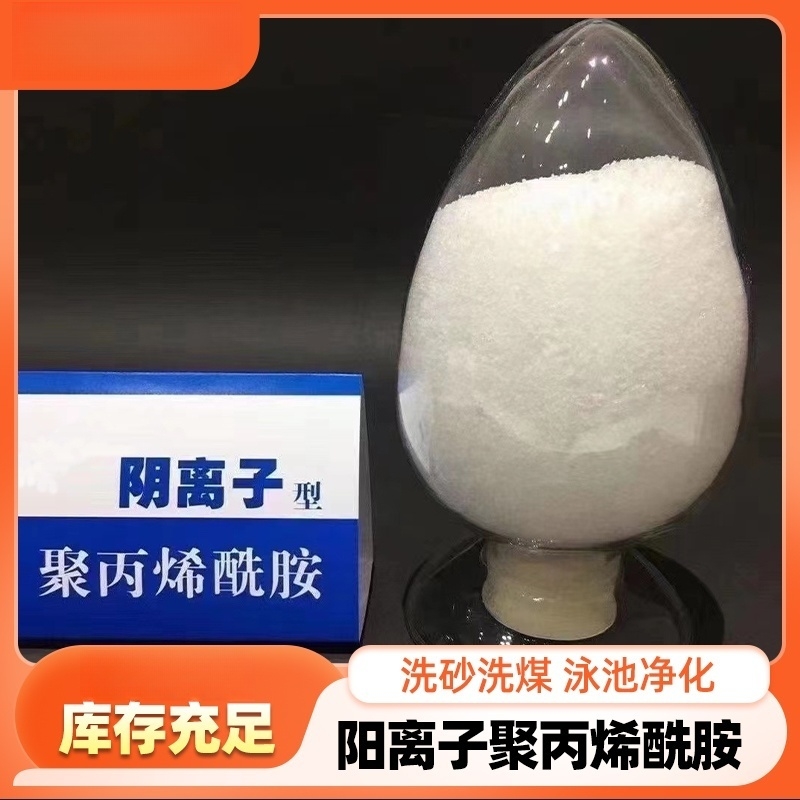
2. Polyacrylamide (PAM) Flocculants
Our polyacrylamide products offer:
- Cationic, anionic, and nonionic types for different wastewater characteristics
- Molecular weight ranging from 5-25 million for optimal floc formation
- High purity (>90% active content) ensuring consistent performance
- Fast dissolution rate for efficient operation
- Customizable formulations for specific treatment requirements
Polyacrylamide acts as a flocculating agent that aggregates fine suspended particles into larger flocs, facilitating their removal through sedimentation or filtration. In textile wastewater treatment, it helps remove colloidal substances, dye particles, and other suspended solids, significantly improving water clarity and reducing turbidity.
3. Other Specialized Chemicals
Complementing our core products, we also supply:
- Citric acid: For pH adjustment and complexing of heavy metals
- Anthracite filter media: For mechanical filtration and suspended solids removal
- Polyaluminum chloride (PAC): As an efficient coagulant for colloidal removal
- Sodium hydroxide: For pH regulation and neutralization processes
These chemicals work synergistically with our activated carbon and polyacrylamide products to create comprehensive treatment solutions that address all aspects of textile wastewater purification.
| Product | Key Function | Recommended Dosage |
|---|---|---|
| Coconut Shell Activated Carbon | Adsorption of organic pollutants and dyes | 50-200 g/m³ wastewater |
| Cationic Polyacrylamide | Flocculation of suspended solids | 1-5 ppm (based on test) |
| Polyaluminum Chloride | Coagulation of colloidal particles | 20-100 mg/L |
Technical Support and Customized Solutions
At Murong Trading, we understand that each textile facility in Japan has unique wastewater characteristics and treatment requirements. Our professional team provides:
- Comprehensive wastewater analysis to determine optimal treatment approaches
- Customized product selection based on specific pollutant profiles
- Dosage optimization and application guidance
- Process design recommendations for new or upgraded treatment systems
- Ongoing technical support and performance monitoring
We maintain close cooperation with leading research institutions in China and Japan to continuously improve our product formulations and treatment methodologies. Our goal is to help textile manufacturers in Japan achieve compliance with environmental regulations while minimizing operational costs.
Quality Assurance and Reliable Supply
As an ISO 9001 certified company, we implement strict quality control measures throughout our supply chain:
- Raw material inspection from certified suppliers
- In-process quality monitoring during production
- Final product testing according to international standards
- Proper packaging and storage to maintain product integrity
- Timely delivery through our efficient logistics network
We maintain adequate inventory levels to ensure prompt supply to our Japanese customers, even during peak demand periods. Our Shanghai-based operation center coordinates closely with local partners in Japan to provide seamless service and support.
FAQ
What makes coconut shell activated carbon suitable for textile wastewater treatment?
Coconut shell activated carbon has a unique pore structure with a high proportion of micropores that are ideal for adsorbing small dye molecules and organic pollutants commonly found in textile wastewater. Its high surface area provides maximum contact with contaminants, while its hardness ensures long service life in treatment systems.
How do I determine the right type of polyacrylamide for my textile wastewater?
The selection depends on your wastewater characteristics. Cationic PAM works best for negatively charged particles (common in dye wastewater), while anionic types may be suitable for certain inorganic colloids. We recommend conducting jar tests with our technical support to determine the most effective formulation and dosage.
Can your products help me meet Japan’s wastewater discharge standards?
Yes, our specialized water treatment materials are designed to help textile facilities achieve compliance with Japan’s strict environmental regulations. When used properly in combination with appropriate treatment processes, our products can effectively reduce COD, BOD, color, and heavy metal concentrations to meet or exceed regulatory limits.
What is the typical service life of activated carbon in textile wastewater treatment?
The service life varies depending on pollutant concentrations, flow rates, and carbon quality. Under normal conditions, our coconut shell activated carbon can last 6-18 months before requiring replacement or regeneration. We provide saturation monitoring services to help optimize replacement schedules.
Do you offer sample testing before large-scale purchases?
Absolutely. We encourage customers to conduct pilot testing with our products before full-scale implementation. We can provide sample quantities and technical guidance to help you evaluate the performance of our materials in your specific wastewater treatment application.
Summary
Murong (Shanghai) International Trading Co., Ltd. stands as a reliable partner for Japan’s textile industry in addressing wastewater treatment challenges. Our specialized product range, technical expertise, and commitment to quality make us the preferred choice for water treatment materials in Japan. By choosing our coconut shell activated carbon, polyacrylamide, and other specialized chemicals, textile manufacturers can achieve efficient pollutant removal, comply with environmental regulations, and operate in an environmentally responsible manner.
We invite Japanese textile companies to contact us for customized solutions tailored to their specific wastewater treatment needs. Our professional team is ready to provide comprehensive support from initial consultation to ongoing technical assistance, helping you achieve optimal treatment results while minimizing operational costs.