
As Japan continues to strengthen its environmental protection regulations, boiler flue gas desulfurization has become a critical requirement for industrial enterprises. The country’s strict emission standards demand effective solutions to reduce sulfur dioxide (SO₂) and other pollutants from boiler exhaust. This comprehensive guide explores the technical aspects, material selection, and implementation strategies for boiler flue gas desulfurization systems in Japan, with a focus on activated carbon technology and professional supplier services.
Understanding Japan’s Boiler Flue Gas Desulfurization Requirements
Japan’s Air Pollution Control Act sets stringent limits on sulfur dioxide emissions from industrial boilers. For large-scale boilers (over 100MW), the SO₂ emission limit is typically set at 40-100 mg/Nm³, depending on the boiler type and fuel used. These regulations apply to various industries including power generation, chemical manufacturing, steel production, and food processing.
The desulfurization process must achieve consistent performance under varying operating conditions, including fluctuations in boiler load, fuel quality, and ambient temperature. This requires a well-designed system with reliable components and proper maintenance protocols.
Japanese companies face additional challenges due to limited space for equipment installation, high land costs, and the need for minimal operational disruption during system implementation. These factors make the selection of compact, efficient desulfurization technologies particularly important.
Key Technologies for Boiler Flue Gas Desulfurization
Several technologies are available for boiler flue gas desulfurization in Japan, each with its advantages and limitations:
1. Wet Flue Gas Desulfurization (WFGD)
The most widely used technology in Japan, WFGD systems typically achieve 90-98% SO₂ removal efficiency. They use alkaline solutions (usually limestone-gypsum) to absorb SO₂ from flue gas. While highly effective, WFGD systems require significant water consumption and generate large volumes of gypsum slurry that need proper disposal or utilization.
2. Dry Sorbent Injection (DSI)
DSI systems inject dry alkaline sorbents (such as lime or sodium bicarbonate) directly into the flue gas stream. This method is simpler and more compact than WFGD but generally achieves lower SO₂ removal efficiency (60-85%). It’s suitable for smaller boilers or as a supplementary treatment method.
3. Activated Carbon Adsorption
Activated carbon technology offers several advantages for specific applications in Japan:
- High SO₂ removal efficiency (up to 95%)
- Compact system design requiring less space
- Ability to simultaneously remove other pollutants (NOx, heavy metals)
- Potential for sorbent regeneration and reuse
- Lower water consumption compared to wet methods
The choice of technology depends on factors such as boiler size, fuel type, emission requirements, space availability, and operational preferences. Many Japanese facilities opt for a combination of technologies to achieve optimal performance and cost-effectiveness.
Activated Carbon Selection for Boiler Desulfurization
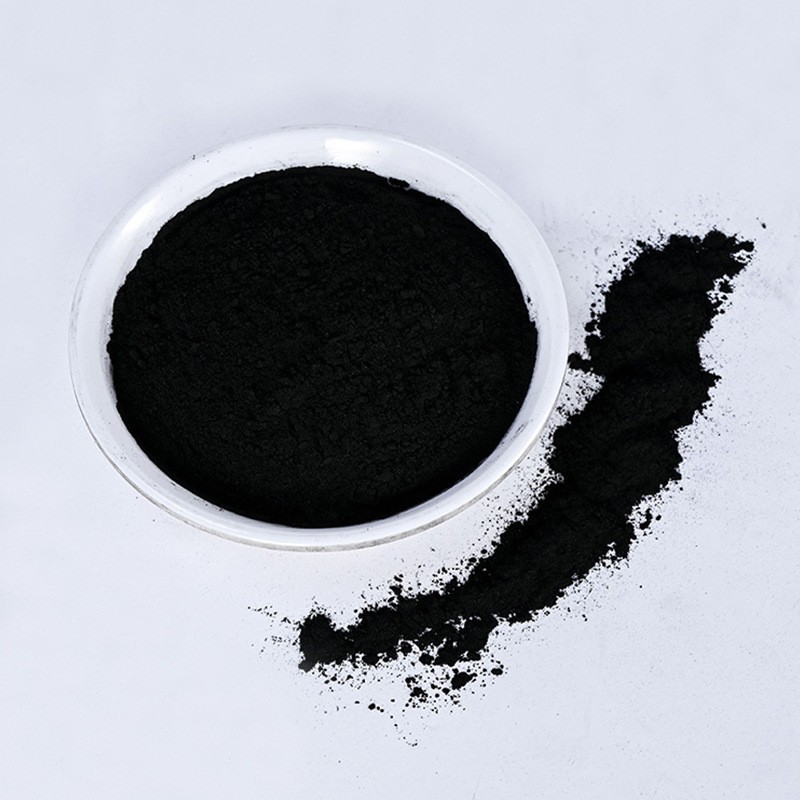
When using activated carbon for boiler flue gas desulfurization in Japan, selecting the right type is crucial for system performance and cost efficiency. The following factors should be considered:
1. Carbon Type
Coconut shell-based activated carbon is often preferred for flue gas treatment due to its high microporosity and surface area, which provide excellent adsorption capacity for SO₂ and other pollutants. However, coal-based or wood-based carbons may be suitable for specific applications depending on the required adsorption characteristics and cost considerations.
2. Particle Size
The optimal particle size depends on the specific system design. For fixed-bed adsorption systems, 4-8 mesh (2.36-4.75mm) particles are commonly used. Smaller particles offer higher surface area but may cause higher pressure drop, while larger particles reduce pressure drop but may have lower adsorption efficiency.
3. Iodine Number
The iodine number indicates the micropore content of activated carbon. For boiler flue gas desulfurization, carbons with iodine numbers between 800-1200 mg/g are typically recommended to ensure sufficient SO₂ adsorption capacity.
4. Impregnation
Some applications may benefit from impregnated activated carbon that contains additional chemicals to enhance SO₂ adsorption or prevent competing adsorption of other gases. Common impregnants include potassium compounds, sodium compounds, or metal oxides.
5. Quality Certification
For Japanese markets, ensure the activated carbon meets relevant quality standards including JIS K 1474 (Japanese Industrial Standard for activated carbon) and any specific requirements from the Japan Environmental Association or local regulatory authorities.
| Parameter | Recommended Specification for Boiler Desulfurization |
|---|---|
| Carbon Type | Coconut shell-based (premium grade) |
| Particle Size | 4-8 mesh (2.36-4.75mm) |
| Iodine Number | ≥900 mg/g |
| Ash Content | ≤5% |
| Moisture Content | ≤5% |
| Hardness | ≥95% |
System Design Considerations for Japan Applications
Designing an effective boiler flue gas desulfurization system for Japanese facilities requires careful consideration of several factors:
1. Space Optimization
Given Japan’s high land costs and limited factory space, compact system designs are essential. Activated carbon adsorption systems can be configured vertically to minimize footprint while maintaining adequate contact time between flue gas and carbon.
2. Energy Efficiency
The system should minimize energy consumption through proper fan selection, heat recovery options, and efficient gas flow distribution. In Japan’s energy-conscious environment, energy-saving features can provide significant operational cost benefits.
3. Corrosion Resistance
Flue gas contains moisture and acidic components that can cause corrosion. All system components in contact with flue gas should be made of corrosion-resistant materials such as stainless steel or FRP (Fiber Reinforced Plastic).
4. Automation and Monitoring
Modern systems should incorporate advanced control systems for real-time monitoring of SO₂ concentration, pressure drop, temperature, and other critical parameters. This enables automatic adjustment of operating conditions and early detection of potential issues.
5. Maintenance Accessibility
The design should facilitate easy access for routine maintenance, carbon replacement, and inspection. In Japan’s labor-intensive environment, systems that reduce maintenance time and complexity are particularly valuable.
Professional Supplier Services for Japan Boiler Desulfurization
Partnering with an experienced international supplier offers several advantages for Japanese companies implementing boiler flue gas desulfurization systems:
1. Technical Expertise
A professional supplier with deep industry knowledge can provide valuable guidance on technology selection, system design, and material specification based on Japan’s specific requirements and regulatory environment.
2. Customized Solutions
Experienced suppliers can develop tailored solutions that address unique challenges in Japanese facilities, such as space constraints, integration with existing equipment, or specific emission targets.
3. Quality Assurance
Reputable suppliers ensure consistent product quality through rigorous quality control processes and adherence to international standards, providing peace of mind for Japanese buyers concerned about product reliability.
4. Cost Optimization
By leveraging global sourcing networks and production capabilities, professional suppliers can offer competitive pricing while maintaining high quality standards, helping Japanese companies control investment and operational costs.
5. After-Sales Support
Comprehensive after-sales services including system commissioning, operator training, maintenance support, and spare parts supply are crucial for ensuring long-term system performance and minimizing downtime.
FAQ
What is the typical lifespan of activated carbon in boiler flue gas desulfurization?
The service life of activated carbon depends on several factors including flue gas composition, operating temperature, carbon type, and system design. Under normal conditions, coconut shell-based activated carbon can last 6-18 months before requiring replacement or regeneration. Regular monitoring of pressure drop and SO₂ breakthrough can help determine the optimal replacement schedule.
Can activated carbon systems remove other pollutants besides SO₂?
Yes, activated carbon adsorption systems can simultaneously remove multiple pollutants from boiler flue gas, including nitrogen oxides (NOx), volatile organic compounds (VOCs), heavy metals, and dioxins. The removal efficiency for each pollutant depends on the carbon type, operating conditions, and system configuration.
What are the main maintenance requirements for activated carbon desulfurization systems?
Key maintenance tasks include: 1) Regular inspection of system components for corrosion or damage, 2) Monitoring and replacement of activated carbon as needed, 3) Cleaning of gas distribution devices to prevent channeling, 4) Calibration of monitoring instruments, and 5) Lubrication of moving parts in automated systems. A preventive maintenance schedule should be established based on the specific system design and operating conditions.
Is it possible to regenerate used activated carbon from boiler desulfurization systems?
Yes, used activated carbon can often be regenerated through thermal or chemical processes to restore its adsorption capacity. Regeneration typically recovers 80-95% of the original capacity, depending on the contamination level and regeneration method. However, regeneration facilities may not be readily available in Japan, so many companies opt for fresh carbon replacement and proper disposal or recycling of spent carbon.
How does activated carbon technology compare to wet flue gas desulfurization in terms of cost?
The cost comparison depends on several factors including boiler size, emission requirements, and local conditions. For smaller boilers or facilities with space constraints, activated carbon systems may offer lower capital costs and simpler operation. For larger boilers with stringent emission limits, wet FGD systems might be more cost-effective over the long term despite higher initial investment. A professional supplier can provide detailed cost analysis based on specific project requirements.
Summary
Implementing effective boiler flue gas desulfurization systems in Japan requires careful consideration of technical requirements, space constraints, regulatory standards, and operational preferences. Activated carbon technology offers a compact, efficient solution particularly suitable for Japanese facilities facing these challenges. By selecting the right type of activated carbon, designing an optimized system, and partnering with an experienced international supplier, Japanese companies can achieve reliable SO₂ removal while controlling costs and minimizing operational complexity.
As Japan continues to strengthen its environmental protection measures, boiler flue gas desulfurization will remain a critical area for industrial enterprises. Staying informed about technological advancements, regulatory updates, and best practices in system implementation will help Japanese companies maintain compliance and contribute to the country’s sustainable development goals.