
The Japanese steel industry faces unique challenges in wastewater treatment due to stringent environmental regulations and complex industrial processes. As a leading international water treatment materials supplier based in Shanghai, Murong (Shanghai) International Trading Co., Ltd. specializes in providing comprehensive solutions for industrial wastewater treatment, particularly for the steel sector. This article explores the optimal selection and application of water treatment materials for Japanese steel plants, focusing on activated carbon, polyacrylamide, citric acid, and anthracite filter media.
Understanding Japanese Steel Wastewater Characteristics
Japanese steel production generates wastewater containing heavy metals, oils, suspended solids, and various chemical contaminants. The treatment process must effectively remove these pollutants while meeting Japan’s strict Water Pollution Control Law standards. Typical treatment stages include primary sedimentation, chemical coagulation, filtration, and advanced oxidation processes.
The choice of water treatment materials depends on several factors:
- Type and concentration of contaminants
- Water flow rate and volume
- Required treatment efficiency
- Regulatory compliance requirements
- Operational costs and maintenance considerations
Activated Carbon Selection for Steel Wastewater Treatment
Activated carbon remains one of the most effective materials for removing organic pollutants, heavy metals, and residual chemicals from steel wastewater. Murong International offers several specialized activated carbon products tailored for industrial applications:
1. Coconut Shell Granular Activated Carbon
Ideal for removing organic compounds and chlorinated solvents, this high-purity carbon features extensive microporosity that effectively adsorbs small molecules. Its hardness and resistance to attrition make it suitable for continuous-flow systems common in steel plants.
2. Columnar Activated Carbon
With uniform particle size and excellent mechanical strength, columnar carbon provides consistent performance in fixed-bed filtration systems. It’s particularly effective for decolorization and removal of intermediate-sized molecules.
3. Honeycomb Activated Carbon
This structured form offers low pressure drop and high surface area, making it perfect for gas-phase treatment applications often associated with steel production processes. The honeycomb structure enhances contact efficiency between contaminants and carbon surface.
| Activated Carbon Type | Key Application | Advantage |
|---|---|---|
| Coconut Shell Granular | Organic compound removal | High microporosity, hard structure |
| Columnar | Fixed-bed filtration | Uniform size, consistent performance |
| Honeycomb | Gas-phase treatment | Low pressure drop, high surface area |
Polyacrylamide Application in Steel Wastewater
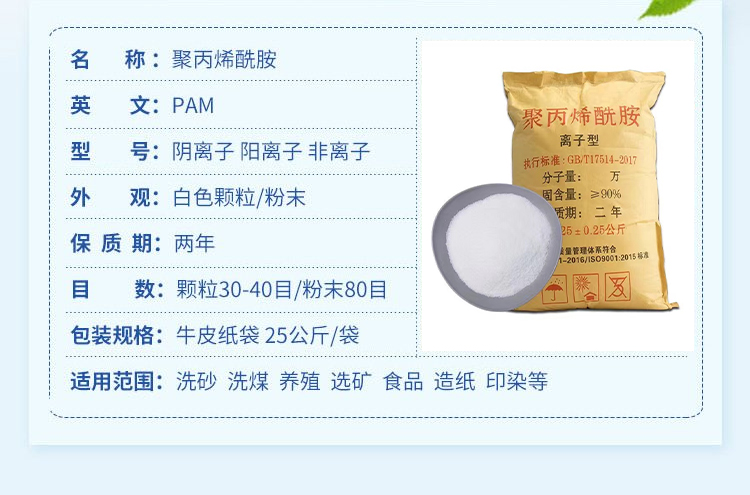
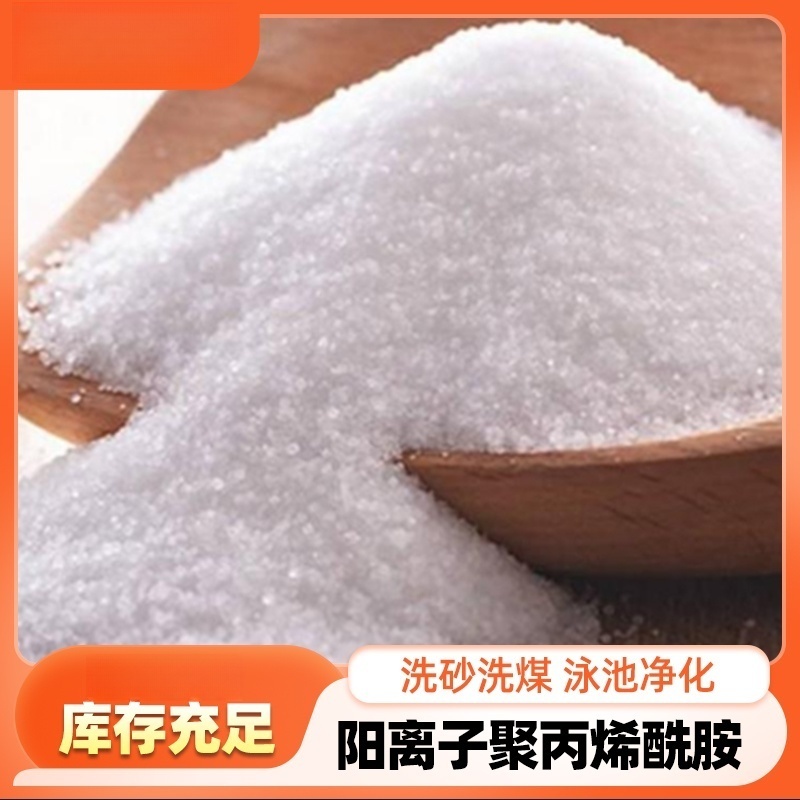
Polyacrylamide (PAM) serves as an essential flocculant in steel wastewater treatment, helping aggregate suspended particles into larger flocs that can be more easily removed through sedimentation or filtration. Murong International provides both anionic and cationic polyacrylamide variants tailored for different treatment scenarios:
Anionic Polyacrylamide (APAM)
Effective for treating wastewater containing negatively charged particles such as clay, organic matter, and some metal hydroxides. APAM works particularly well in combination with aluminum-based coagulants like polyaluminum chloride (PAC).
Cationic Polyacrylamide (CPAM)
Ideal for wastewater with positively charged colloids or organic substances. CPAM demonstrates excellent performance in sludge dewatering processes, reducing moisture content in dewatered sludge cakes.
Dosage Considerations
The optimal PAM dosage depends on water quality parameters including turbidity, pH, and contaminant concentration. Jar testing is recommended to determine the most effective dosage for specific wastewater characteristics. Typical application rates range from 1-10 ppm, with higher concentrations sometimes required for difficult-to-treat waters.
Citric Acid in Wastewater Treatment
While primarily known as a food additive, citric acid plays several important roles in industrial wastewater treatment:
1. Heavy Metal Chelation
Citric acid forms stable complexes with heavy metals like iron, copper, and zinc, facilitating their removal through precipitation or filtration. This property makes it valuable for treating metal-laden wastewater from steel pickling processes.
2. pH Adjustment
As a weak organic acid, citric acid provides gentle pH adjustment without introducing excessive chloride or sulfate ions that might come from inorganic acids. This helps maintain optimal conditions for subsequent treatment processes.
3. Scale Inhibition
In cooling water systems common in steel plants, citric acid helps prevent calcium carbonate scale formation by sequestering calcium ions and maintaining them in solution.
Anthracite Filter Media for Steel Wastewater
Anthracite coal serves as an excellent filtration medium in multi-media filters for steel wastewater treatment. Its hardness and angular shape provide several advantages:
- Effective removal of suspended solids down to 10-20 microns
- Long service life with minimal attrition loss
- High resistance to chemical attack from acidic or alkaline wastewater
- Compatible with other filter media like sand and garnet in multi-layer systems
When used in combination with activated carbon, anthracite provides pre-filtration that extends carbon life by removing larger particles before they reach the carbon bed. This combination is particularly effective for treating blast furnace and coke oven wastewater.
Comprehensive Treatment Solution for Japanese Steel Plants
Based on our extensive experience serving Japanese industrial clients, Murong International recommends a multi-stage treatment approach combining physical, chemical, and biological processes:
- Primary Treatment: Screening and sedimentation to remove large solids and grit
- Chemical Coagulation: Using polyaluminum chloride and polyacrylamide to aggregate fine particles
- Filtration: Multi-media filters with anthracite and activated carbon for suspended solids and organic removal
- Advanced Treatment: Activated carbon adsorption for residual organic compounds and heavy metals
- Disinfection: Optional final step depending on discharge requirements
This integrated approach ensures compliance with Japan’s strict water quality standards while optimizing operational costs through material selection and dosage control.
FAQ
What makes coconut shell activated carbon superior for steel wastewater treatment?
Coconut shell activated carbon offers superior performance due to its high microporosity, which provides extensive surface area for adsorbing small organic molecules commonly found in steel wastewater. Its hard structure also resists attrition in continuous-flow systems, maintaining performance over extended periods.
How do I determine the right polyacrylamide type for my steel plant wastewater?
The selection depends on your wastewater’s charge characteristics. Conduct a simple jar test with both anionic and cationic variants to observe which produces better floc formation. Anionic PAM typically works better with inorganic suspended solids, while cationic PAM excels with organic-laden waters.
Can citric acid replace traditional acids for pH adjustment in steel wastewater?
Citric acid can serve as an alternative for mild pH adjustment, offering advantages like reduced chloride introduction and better biodegradability. However, for significant pH reductions, stronger inorganic acids might be more cost-effective. We recommend analyzing your specific wastewater composition to determine the optimal approach.
What maintenance is required for anthracite filter media?
Anthracite requires minimal maintenance due to its durability. Regular backwashing at appropriate intervals (typically every 24-48 hours of operation) prevents clogging and maintains filtration efficiency. Periodic media sampling helps monitor performance and determine replacement timing.
How can Murong International help optimize our steel wastewater treatment costs?
Our technical team provides comprehensive services including:
- Wastewater analysis and treatment process design
- Material selection and dosage optimization
- On-site operator training
- Performance monitoring and adjustment
- Cost-benefit analysis of different treatment approaches
We focus on creating sustainable solutions that balance treatment effectiveness with operational economics.
Summary
Effective wastewater treatment in the Japanese steel industry requires careful selection of specialized materials and processes. Murong International’s comprehensive product range and technical expertise enable us to provide tailored solutions that meet Japan’s stringent environmental standards while optimizing operational efficiency. From high-performance activated carbon to specialized flocculants and filtration media, our materials are engineered for the unique challenges of steel wastewater treatment. Contact our team today to discuss how we can support your water treatment needs with reliable, cost-effective solutions.