
Water treatment in Japanese power plants and chemical factories requires specialized materials to meet stringent environmental standards and ensure operational efficiency. As a leading international trade company specializing in water treatment materials, Murong (Shanghai) International Trading Co., Ltd. provides comprehensive solutions tailored to Japan’s industrial needs. This guide explores the key materials essential for effective water treatment in these demanding environments.

Industrial Activated Carbon Selection for Japanese Applications
Activated carbon remains the cornerstone of water purification systems in Japanese power plants and chemical factories. The unique porous structure of activated carbon provides exceptional adsorption capabilities for removing organic contaminants, heavy metals, and odorous compounds. For Japanese applications, we recommend:
1. Coconut Shell Granular Activated Carbon
This premium-grade activated carbon offers high mechanical strength and excellent adsorption capacity, making it ideal for:
- Power plant condenser water treatment
- Chemical plant wastewater decolorization
- Drinking water purification systems
The coconut shell origin ensures low ash content and high purity, meeting Japan’s strict quality requirements.
2. Columnar Activated Carbon for Continuous Flow Systems
Japanese facilities often require materials compatible with continuous flow treatment systems. Columnar activated carbon provides:
- Uniform particle size for consistent flow rates
- High resistance to abrasion and breakage
- Long service life in industrial applications
This format is particularly suitable for large-scale water treatment plants in Japan’s energy sector.
Polyacrylamide Solutions for Japanese Water Treatment
As a critical flocculant in water treatment processes, polyacrylamide plays a vital role in Japanese industrial applications. Our product range includes:
Anionic Polyacrylamide for Suspended Solids Removal
Japanese power plants generate significant amounts of suspended solids in their cooling water systems. Anionic polyacrylamide effectively:
- Enhances sedimentation rates
- Reduces sludge volume
- Improves overall treatment efficiency
Our anionic polyacrylamide meets Japan’s environmental standards for industrial water discharge.
Cationic Polyacrylamide for Chemical Plant Wastewater
Chemical manufacturing processes often produce wastewater containing organic pollutants and colloidal substances. Cationic polyacrylamide offers:
- Excellent charge neutralization capabilities
- Effective removal of oil and grease
- Compatibility with various treatment processes
This product helps Japanese chemical plants comply with strict wastewater regulations.
| Polyacrylamide Type | Japanese Application | Recommended Dosage |
|---|---|---|
| Anionic | Power plant cooling water | 2-5 ppm |
| Cationic | Chemical plant wastewater | 1-3 ppm |
Citric Acid in Japanese Water Treatment Systems
Beyond its common use as a food additive, citric acid serves multiple functions in industrial water treatment across Japan:
1. Chelating Agent for Heavy Metal Removal
Japanese power plants and chemical factories must control heavy metal concentrations in their wastewater. Citric acid effectively:
- Forms stable complexes with metals like iron, copper, and zinc
- Enhances precipitation efficiency
- Reduces environmental impact
This natural chelating agent provides a safer alternative to synthetic chemicals.
2. pH Adjustment in Treatment Processes
Maintaining optimal pH levels is crucial for effective water treatment. Citric acid offers:
- Precise pH control without introducing harmful byproducts
- Biodegradability that meets Japan’s environmental standards
- Compatibility with various treatment technologies
Japanese facilities appreciate its versatility in different treatment stages.
3. Scale Prevention in Cooling Systems
Hard water scaling causes significant operational issues in Japanese power plants. Citric acid helps:
- Dissolve existing scale deposits
- Prevent new scale formation
- Extend equipment lifespan
Regular use reduces maintenance costs and improves system efficiency.
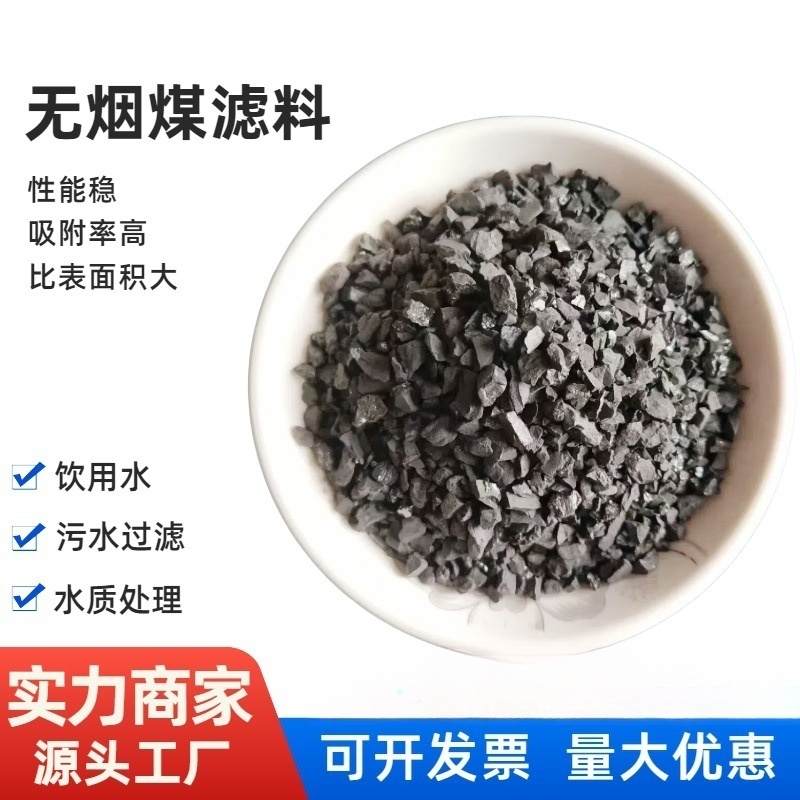
Anthracite Filter Media for Japanese Treatment Stations
As a key component in multi-media filtration systems, anthracite filter media provides exceptional performance in Japanese water treatment applications:
1. Depth Filtration in Power Plants
Japanese power generation facilities require reliable filtration to protect their condenser systems. Anthracite offers:
- High porosity for effective particle removal
- Uniform particle size distribution for consistent performance
- Resistance to chemical degradation
This media extends the service life of filtration systems while maintaining water quality.
2. Pretreatment for Reverse Osmosis Systems
Before entering expensive RO membranes, water in Japanese chemical plants must undergo thorough pretreatment. Anthracite filter media:
- Removes suspended solids that could foul membranes
- Reduces turbidity to acceptable levels
- Protects downstream treatment equipment
This pretreatment step is crucial for maintaining RO system efficiency.
3. Wastewater Polishing in Treatment Stations
Japanese wastewater treatment stations require effective polishing to meet discharge standards. Anthracite provides:
- Final filtration stage for residual particles
- Support for biological treatment processes
- Cost-effective solution compared to other media
Regular backwashing maintains its performance over extended periods.
Maintenance and Care for Japanese Water Treatment Systems
Proper maintenance ensures optimal performance and extends the lifespan of water treatment materials in Japanese facilities:
1. Activated Carbon Replacement Schedule
Japanese power plants should implement regular monitoring programs to determine activated carbon replacement intervals. Factors to consider include:
- Inlet water quality variations
- Operational load changes
- Regulatory compliance requirements
Typical replacement cycles range from 6 to 24 months depending on these factors.
2. Polyacrylamide Storage and Handling
To maintain product effectiveness in Japanese climates:
- Store polyacrylamide in cool, dry conditions away from direct sunlight
- Prevent contamination with dust or other chemicals
- Use proper dosing equipment to ensure accurate application
These precautions help maintain product quality during storage and use.
3. Anthracite Filter Media Backwashing
Regular backwashing prevents compaction and maintains filtration efficiency in Japanese systems. Recommended practices include:
- Perform backwash when pressure drop reaches 0.5 bar
- Use clean water at appropriate flow rates
- Monitor effluent clarity to determine backwash duration
Proper backwashing extends media life and ensures consistent performance.
FAQ
What factors should Japanese power plants consider when selecting activated carbon?
Key considerations include the specific contaminants to be removed, required contact time, flow rates, and regulatory compliance requirements. Coconut shell activated carbon generally offers the best performance for Japanese applications due to its purity and adsorption capacity.
How often should polyacrylamide be tested in Japanese chemical plant wastewater?
We recommend daily testing during initial implementation to optimize dosage, followed by weekly monitoring once stable operation is achieved. Japanese facilities should also conduct periodic comprehensive water quality analyses to ensure ongoing compliance.
Can citric acid replace traditional scale inhibitors in Japanese cooling systems?
While citric acid provides effective scale prevention for moderate scaling conditions, severe hardness may require specialized scale inhibitors. Japanese facilities should conduct pilot testing to determine the most suitable solution for their specific water chemistry.
What maintenance procedures extend anthracite filter media life in Japanese treatment stations?
Regular backwashing, proper flow rate control, and periodic media sampling help maximize service life. Japanese operators should also avoid sudden flow rate changes that could cause media migration or channeling within the filter bed.
Summary
Selecting the right water treatment materials for Japanese power plants and chemical factories requires careful consideration of specific operational requirements and regulatory standards. Murong (Shanghai) International Trading Co., Ltd. offers a comprehensive range of high-quality products including industrial activated carbon, polyacrylamide, citric acid, and anthracite filter media specifically designed for Japanese applications. Our experienced team provides expert guidance on material selection, system design, and maintenance practices to ensure optimal performance and regulatory compliance. By partnering with us, Japanese facilities gain access to reliable water treatment solutions that protect their equipment, meet environmental standards, and support sustainable operations.