
The steel industry in Japan generates significant volumes of wastewater requiring specialized treatment solutions. As environmental regulations become stricter and industrial efficiency demands increase, selecting the right water treatment materials has never been more critical. This comprehensive guide explores effective solutions for Japan’s steel wastewater treatment, focusing on industrial activated carbon and complementary water treatment chemicals from a trusted international supplier.
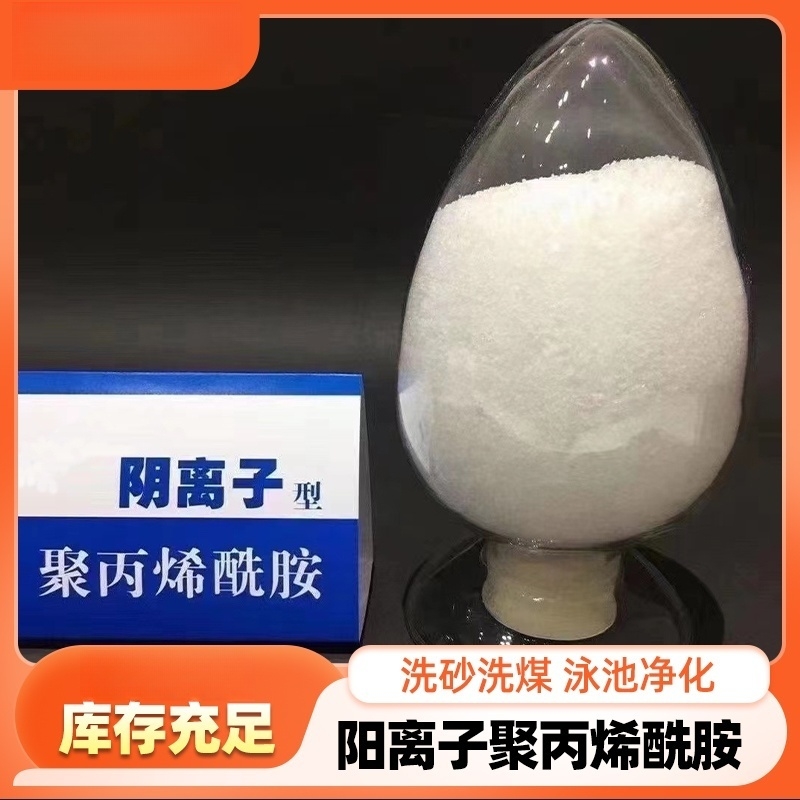
Understanding Japan’s Steel Wastewater Treatment Challenges
Steel production in Japan generates wastewater containing various contaminants including heavy metals, oils, suspended solids, and organic compounds. Effective treatment requires a multi-stage approach combining physical, chemical, and biological processes. The choice of treatment materials significantly impacts both initial treatment efficiency and long-term operational costs.
Japanese steel manufacturers face unique challenges including limited space for treatment facilities, stringent discharge standards, and the need for continuous operation. These factors make material selection particularly crucial – requiring products that offer high performance, reliability, and cost-effectiveness over extended periods.
Key Water Treatment Materials for Steel Industry Applications
As a leading international supplier of water treatment materials, we offer specialized solutions tailored to Japan’s steel industry requirements. Our product range addresses all major contamination challenges while meeting the country’s strict environmental standards.
1. Industrial Activated Carbon Solutions
Activated carbon remains the cornerstone of effective wastewater treatment in the steel industry. Our premium coconut shell activated carbon offers exceptional adsorption capacity for organic compounds, heavy metals, and color removal. The material’s high surface area and micro-porous structure make it ideal for:
- Removing phenolic compounds from coke oven wastewater
- Adsorbing oil and grease contaminants
- Eliminating residual organic solvents
- Reducing chemical oxygen demand (COD) levels
- Polishing treated water before discharge
For specific steel industry applications, we recommend our specialized grades with optimized pore size distributions. These products demonstrate superior performance in high-temperature and high-flow conditions common in steel plant wastewater systems.
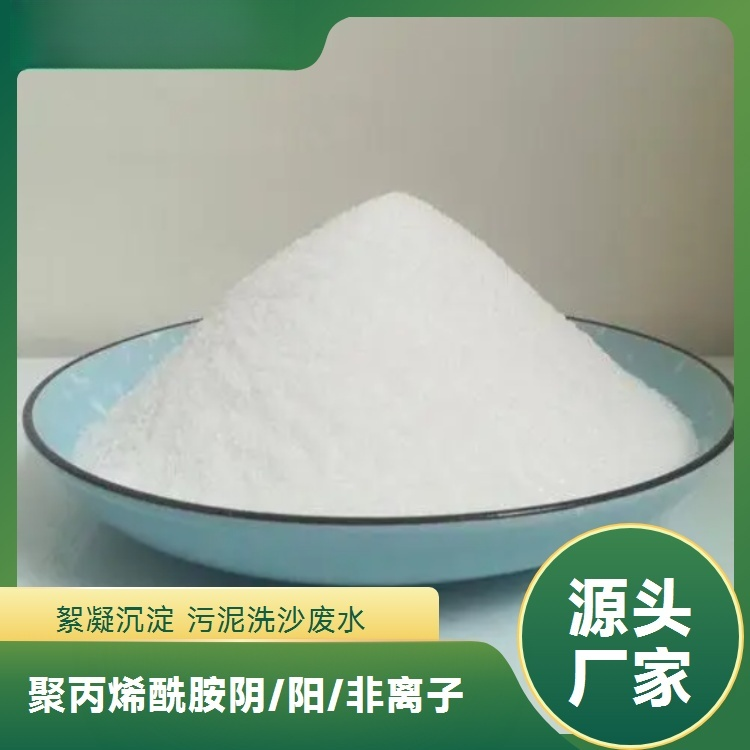
2. Polyacrylamide for Flocculation and Sedimentation
Our polyacrylamide products play crucial roles in the primary treatment phase by facilitating the aggregation of suspended solids. Available in both cationic and anionic forms, these polymers help:
- Accelerate sedimentation rates
- Improve sludge dewatering efficiency
- Reduce turbidity in treated water
- Enhance overall treatment capacity
For steel industry applications, we recommend specific molecular weight grades that demonstrate optimal performance with the particulate characteristics found in steel plant wastewater. Our technical team provides dosage optimization support to ensure cost-effective operation.
3. Specialized Chemical Solutions
Complementing our core products, we offer a range of specialized chemicals for comprehensive wastewater treatment:
| Product | Application | Benefits |
|---|---|---|
| Citric Acid | pH adjustment, heavy metal chelation | Biodegradable, effective in alkaline conditions |
| Anthracite Filter Media | Multi-media filtration systems | High mechanical strength, chemical resistance |
| Polyaluminum Chloride | Coagulation in primary treatment | Wide pH range effectiveness, low residual aluminum |
Selecting the Right Supplier for Japan Steel Wastewater Treatment
Choosing a reliable partner for water treatment materials involves evaluating several critical factors beyond just product specifications. Based on our experience serving Japan’s industrial sector, these are the key considerations:
1. Product Quality and Certification
Ensure your supplier provides materials that meet or exceed Japanese industrial standards (JIS) and relevant environmental certifications. Look for suppliers with ISO 9001 quality management systems and products tested by accredited laboratories.
2. Technical Support Capabilities
Effective treatment requires more than just products – it needs application expertise. A supplier with experienced technical staff can help with:
- Process optimization and material selection
- Dosage recommendations and system design
- Troubleshooting and performance monitoring
- Regulatory compliance guidance
3. Supply Chain Reliability
For continuous operation, you need a supplier with proven logistics capabilities to ensure consistent, on-time delivery. This becomes particularly important when dealing with international shipments subject to customs and regulatory requirements.
4. Cost-Performance Balance
While price is important, the focus should be on total cost of ownership. A slightly higher-priced premium product may offer better performance and longer service life, ultimately reducing operational costs and downtime.
Case Study: Optimizing Wastewater Treatment at Japanese Steel Plant
One of our Japanese clients in the steel industry faced challenges with high COD levels and oil contamination in their coke oven wastewater. After comprehensive analysis, we recommended a treatment solution combining:
- Specialized coconut shell activated carbon for organic removal
- Cationic polyacrylamide for improved sludge dewatering
- Citric acid for pH adjustment and heavy metal precipitation
The implementation resulted in:
- 40% reduction in COD levels
- 60% decrease in oil content
- 25% lower chemical consumption
- 15% reduction in sludge disposal costs
This case demonstrates how the right combination of materials and expert support can deliver significant operational improvements while meeting strict environmental standards.
FAQ
What makes coconut shell activated carbon superior for steel wastewater treatment?
Coconut shell activated carbon offers several advantages for industrial applications including higher hardness (reducing dust generation), more micro-pores for adsorbing small molecules, and better resistance to thermal and chemical degradation compared to coal-based alternatives.
How often should activated carbon be replaced in wastewater treatment systems?
Replacement frequency depends on several factors including influent contamination levels, flow rates, and specific treatment objectives. Typically, carbon beds require replacement every 6-24 months. Regular monitoring of effluent quality helps determine optimal replacement timing.
Can polyacrylamide be used with all types of activated carbon?
Yes, polyacrylamide flocculants work effectively with all types of activated carbon. However, the dosage and type (cationic/anionic) should be optimized based on the specific wastewater characteristics and treatment objectives.
What certifications should I look for in water treatment material suppliers?
For Japan market applications, important certifications include ISO 9001 (quality management), ISO 14001 (environmental management), and product-specific certifications like NSF/ANSI 61 for drinking water applications. For exports to Japan, suppliers should also comply with JIS standards where applicable.
How can I reduce chemical consumption in steel wastewater treatment?
Strategies include optimizing pre-treatment processes, using high-efficiency coagulants/flocculants, implementing proper pH control, and selecting activated carbon grades with targeted adsorption properties. Regular system audits and process optimization can also identify opportunities for chemical reduction.
Summary
Effective wastewater treatment in Japan’s steel industry requires specialized materials and expert support. Industrial activated carbon, particularly coconut shell grades, forms the foundation of most treatment systems, complemented by polyacrylamide and other specialized chemicals. When selecting a supplier, prioritize product quality, technical expertise, supply chain reliability, and cost-performance balance rather than focusing solely on price.
As environmental regulations continue to tighten and operational efficiency demands increase, partnering with an experienced international supplier becomes increasingly valuable. Such partnerships provide access to global best practices while ensuring compliance with local standards and requirements.
For Japanese steel manufacturers seeking to optimize their wastewater treatment processes, we recommend conducting a comprehensive system audit to identify specific improvement opportunities. This approach, combined with the right material selection and expert support, can deliver significant operational benefits while maintaining environmental compliance.