
Water treatment is a critical process in power and chemical plants across Japan, ensuring environmental compliance, operational efficiency, and equipment longevity. As industrial activities continue to grow, the demand for effective water treatment solutions becomes increasingly important. This comprehensive guide explores the most reliable and cost-effective water treatment materials available for Japanese power and chemical plants, focusing on industrial activated carbon, polyacrylamide, and other essential chemicals.
Understanding Water Treatment Needs in Japanese Industries
Japanese power and chemical plants face unique water treatment challenges due to strict environmental regulations, high operational standards, and the need for continuous process optimization. The primary objectives of water treatment in these industries include:
- Removing contaminants and impurities from process water
- Preventing equipment corrosion and scaling
- Ensuring compliance with wastewater discharge standards
- Reducing operational costs through efficient water reuse
- Maintaining product quality in chemical manufacturing processes
To achieve these goals, plants require a combination of physical, chemical, and biological treatment processes, supported by high-quality treatment materials. The selection of appropriate materials depends on factors such as water composition, process requirements, and budget constraints.
Key Water Treatment Materials for Japanese Industries
Murong (Shanghai) International Trading Co., Ltd. specializes in providing comprehensive water treatment solutions tailored to the specific needs of Japanese power and chemical plants. Our product range includes:
1. Industrial Activated Carbon
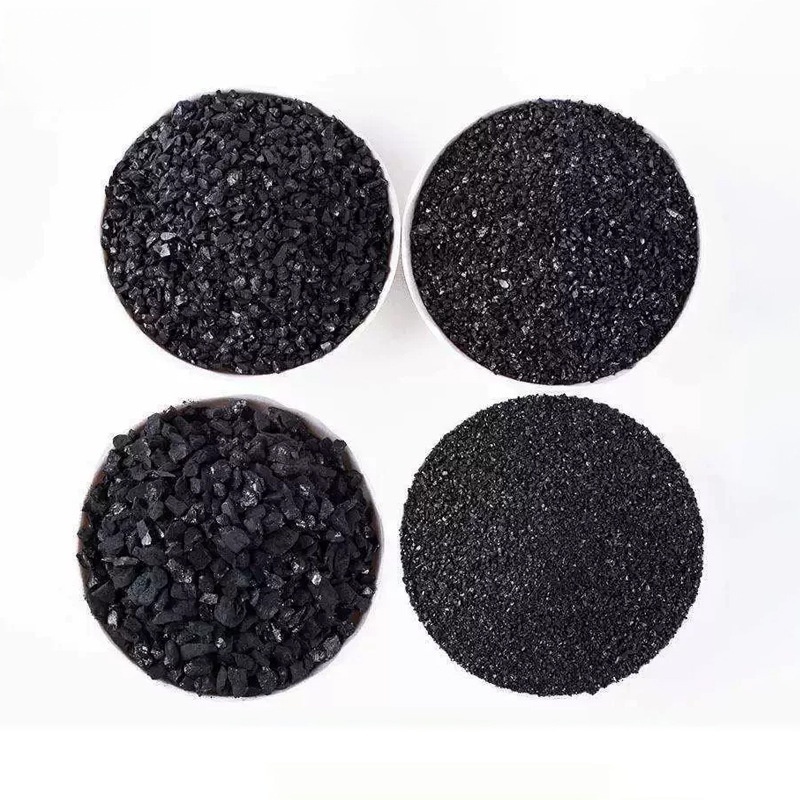
Activated carbon is a versatile adsorbent widely used in water treatment applications. We offer various forms including coconut shell granular activated carbon, powdered activated carbon, columnar activated carbon, spherical activated carbon, and honeycomb activated carbon. Each type has specific characteristics that make it suitable for different applications:
| Activated Carbon Type | Key Features | Typical Applications |
|---|---|---|
| Coconut Shell Granular | High surface area, excellent porosity | Drinking water purification, industrial wastewater treatment |
| Powdered | Fine particle size, rapid adsorption | Emergency spill response, color removal |
| Columnar | Uniform shape, low pressure drop | Gas phase treatment, air purification |
| Spherical | Good mechanical strength, easy regeneration | Specialized industrial applications |
| Honeycomb | High geometric surface area, low pressure loss | VOC treatment, solvent recovery |
For Japanese power plants, activated carbon is particularly valuable for removing organic contaminants, chlorine compounds, and odors from feedwater and process streams. In chemical plants, it effectively treats wastewater containing various organic pollutants before discharge or reuse.
2. Polyacrylamide (PAM)
Polyacrylamide is a water-soluble polymer used primarily as a flocculant and coagulant aid in water treatment processes. It comes in two main forms:
- Anionic polyacrylamide: Effective for treating negatively charged particles in water
- Cationic polyacrylamide: Suitable for positively charged particles and organic matter removal
In power plants, PAM helps in the efficient removal of suspended solids from cooling tower blowdown water and boiler feedwater treatment. For chemical plants, it’s invaluable for separating solids from process wastewater, improving the efficiency of sedimentation and filtration processes.
3. Citric Acid
Citric acid serves multiple purposes in industrial water treatment:
- Chelating agent for metal ion removal
- pH adjuster in various treatment processes
- Biodegradable cleaning agent for equipment
Its environmentally friendly nature makes it particularly suitable for Japanese industries focused on sustainable operations.
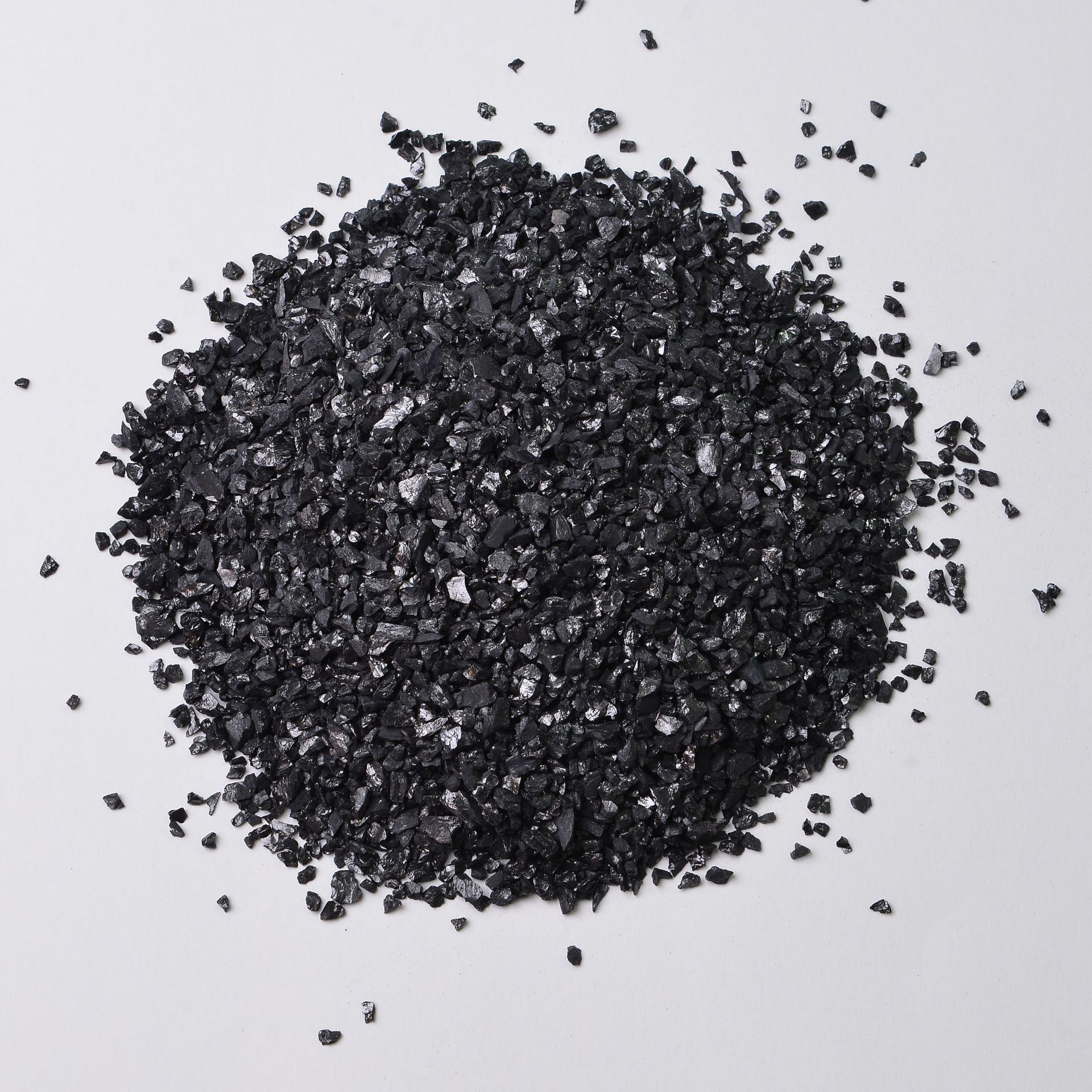
4. Anthracite Filter Media
Anthracite coal provides excellent filtration properties for removing suspended solids and turbidity from water. Its high hardness and durability make it ideal for:
- Multimedia filtration systems
- Pre-treatment before membrane filtration
- Wastewater polishing
5. Polyaluminum Chloride (PAC)
As a highly effective coagulant, PAC is widely used in:
- Raw water clarification
- Wastewater treatment
- Sludge dewatering
Its rapid coagulation properties make it particularly valuable for plants requiring high-throughput treatment systems.
Selecting the Right Water Treatment Materials for Your Plant
Choosing the most appropriate water treatment materials requires careful consideration of several factors:
1. Water Quality Analysis
Conduct comprehensive water analysis to identify contaminants, their concentrations, and specific treatment challenges. This analysis should include:
- Physical parameters (turbidity, color, odor)
- Chemical parameters (pH, hardness, specific ions)
- Organic content (TOC, COD, BOD)
- Microbiological contaminants
2. Process Requirements
Consider your specific process needs:
- Required water purity levels
- Flow rates and treatment capacities
- Space constraints for treatment equipment
- Integration with existing systems
3. Regulatory Compliance
Ensure all selected materials and treatment processes comply with Japanese environmental regulations, including:
- Water Pollution Control Law
- Industrial Wastewater Standards
- Local prefectural regulations
- International standards for exported products
4. Cost-Effectiveness
Evaluate both initial investment and long-term operating costs:
- Material costs
- Energy consumption
- Maintenance requirements
- Waste disposal costs
- Potential for water reuse
5. Supplier Reliability
Partner with a reputable supplier who can provide:
- Consistent product quality
- Reliable delivery schedules
- Technical support and expertise
- Documentation for regulatory compliance
Case Study: Optimizing Water Treatment in a Japanese Power Plant
A major power plant in central Japan faced challenges with organic contamination in their boiler feedwater, leading to frequent equipment maintenance and reduced efficiency. After comprehensive water analysis, we recommended a treatment solution combining:
- Coconut shell granular activated carbon for organic removal
- Cationic polyacrylamide as a flocculant aid
- Periodic citric acid cleaning for equipment maintenance
The implementation resulted in:
- 30% reduction in organic contaminants
- 25% decrease in equipment maintenance frequency
- 15% improvement in overall plant efficiency
- Significant cost savings over 12 months
FAQ
What makes activated carbon effective for water treatment in power plants?
Activated carbon’s effectiveness comes from its high surface area and porous structure, which provide extensive sites for adsorbing organic contaminants, chlorine compounds, and odors. Different forms offer specific advantages for various applications within power plant water treatment systems.
How do I determine the right type of polyacrylamide for my chemical plant?
The selection depends on the charge characteristics of contaminants in your wastewater. Conduct jar testing with samples of both anionic and cationic PAM to determine which provides better floc formation and sedimentation. Your supplier can assist with this testing process.
What are the environmental benefits of using citric acid in water treatment?
Citric acid is biodegradable and non-toxic, making it an environmentally friendly alternative to harsher chemicals. It reduces chemical load in wastewater while effectively performing its functions as a chelating agent, pH adjuster, and cleaning agent.
How often should anthracite filter media be replaced in a water treatment system?
Replacement frequency depends on water quality and system design, but typically ranges from 3-7 years. Regular backwashing and monitoring pressure differentials can help determine when replacement is needed. Some plants extend media life through periodic cleaning with air scouring systems.
What documentation should I request from my water treatment material supplier for regulatory compliance?
Essential documentation includes material safety data sheets (MSDS), certificates of analysis showing compliance with relevant standards, origin certificates, and any specific certifications required by Japanese regulations (such as JIS standards for certain products).
Summary
Effective water treatment is essential for the efficient operation of power and chemical plants in Japan. By selecting the right combination of industrial activated carbon, polyacrylamide, citric acid, anthracite filter media, and other specialized chemicals, plants can achieve optimal water quality while minimizing operational costs and environmental impact.
Partnering with a reliable supplier like Murong (Shanghai) International Trading Co., Ltd. ensures access to high-quality materials, technical expertise, and consistent supply chains. Our commitment to providing cost-effective, reliable solutions has helped numerous Japanese industries meet their water treatment challenges while maintaining compliance with stringent environmental standards.
For personalized recommendations tailored to your specific plant requirements, contact our team of water treatment experts today. We’ll help you develop a comprehensive solution that optimizes performance, reduces costs, and supports your sustainability goals.