
Japan’s sewage treatment infrastructure faces unique challenges in odor control, particularly in densely populated urban areas where treatment facilities are often located near residential zones. As a leading international trading company specializing in water treatment materials, Murong (Shanghai) International Trading Co., Ltd. offers comprehensive solutions tailored specifically for Japanese sewage treatment plants. Our approach combines high-quality products with professional technical support to deliver effective odor control while maintaining compliance with Japan’s strict environmental regulations.
Understanding Japan’s Sewage Treatment Odor Challenges
Japanese sewage treatment plants face specific odor challenges due to the country’s climate, population density, and treatment processes. The humid subtropical climate in many regions accelerates the production of hydrogen sulfide (H₂S) and other malodorous compounds. Additionally, Japan’s advanced treatment technologies, including anaerobic digestion and membrane bioreactors, can generate unique odor profiles requiring specialized control measures.
Our team has conducted extensive research into Japan’s sewage treatment industry, identifying key odor sources including:
- Primary treatment screens and grit chambers
- Anaerobic digestion tanks
- Sludge dewatering facilities
- Biological treatment units
- Final effluent discharge points
Each of these areas requires different approaches to odor control, which our customized solutions address through product selection and system design.
Our Product Range for Effective Odor Control
Murong International offers a comprehensive range of water treatment materials specifically selected for their effectiveness in sewage treatment odor control applications. Our product portfolio includes:
1. Coconut Shell Activated Carbon
Our premium coconut shell activated carbon stands out for its exceptional adsorption capacity for volatile organic compounds (VOCs) and hydrogen sulfide. The micro-porous structure provides:
- High surface area (1000-1200 m²/g) for maximum odor molecule capture
- Excellent hardness (95% minimum) for long service life
- Low ash content (3% maximum) preventing channeling
- Consistent particle size distribution for optimal flow characteristics
This makes it ideal for both fixed-bed and moving-bed adsorption systems commonly used in Japanese sewage treatment plants.

2. Specialized Odor Control Formulations
In addition to standard activated carbon products, we offer specialized formulations developed specifically for sewage treatment applications:
- Impregnated activated carbon: Treated with chemical agents to enhance adsorption of specific odor compounds like hydrogen sulfide and mercaptans
- Catalytic activated carbon: Contains metal catalysts to promote oxidation of adsorbed odorants, extending service life
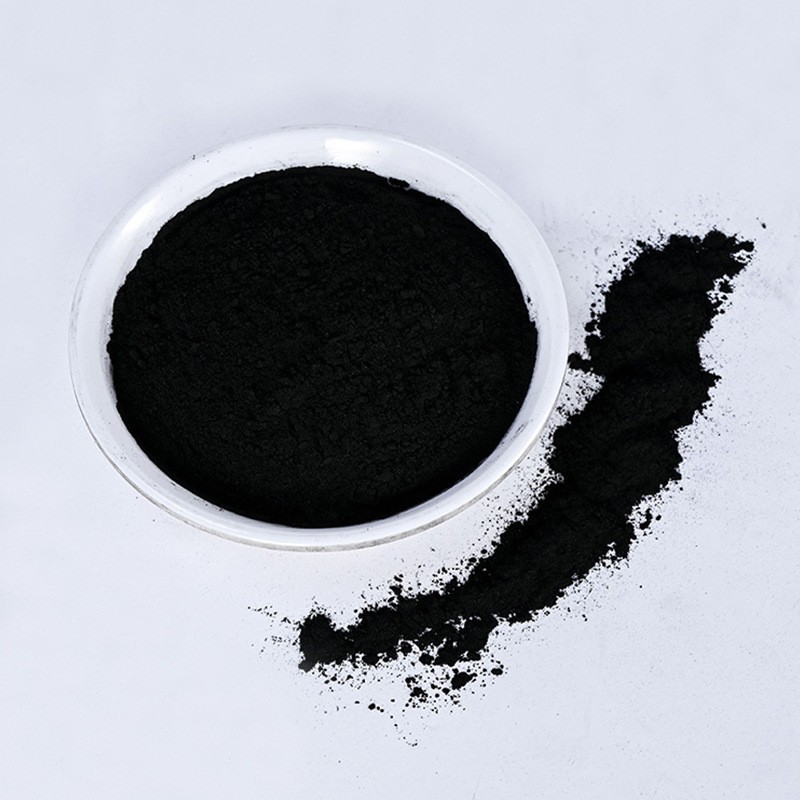
- Powdered activated carbon: For emergency odor control situations or batch treatment processes
These specialized products are developed in collaboration with leading Japanese research institutions to ensure optimal performance in local conditions.
3. Complementary Water Treatment Materials
Effective odor control often requires a multi-pronged approach. Our product range includes complementary materials that enhance overall treatment efficiency:
| Product | Function in Odor Control | Recommended Application |
|---|---|---|
| Polyacrylamide | Flocculation agent improving sludge dewatering | Pre-treatment before activated carbon adsorption |
| Polymeric aluminum chloride | Coagulant reducing suspended solids | Primary treatment stage |
| Anthracite filter media | Pre-filtration removing larger particles | Protecting activated carbon beds |
Customized Solutions for Japanese Sewage Treatment Plants
We recognize that no two sewage treatment plants are identical. Factors such as plant capacity, treatment process, local regulations, and odor complaint history all influence the optimal odor control strategy. Our approach to customized solutions includes:
1. Site-Specific Analysis
Our technical team conducts comprehensive evaluations of each facility, including:
- Odor sampling and analysis using GC-MS technology
- Process flow diagram review
- Existing odor control equipment assessment
- Regulatory compliance review
- Neighbor impact analysis
2. Product Selection Guidance
Based on the site analysis, we recommend the most appropriate products and configurations. For example:
- For facilities with high hydrogen sulfide levels: Impregnated activated carbon with copper or zinc impregnation
- For plants with limited space: High-activity coconut shell carbon with extended service life
- For seasonal odor variations: Modular systems allowing easy capacity adjustment
3. System Design Support
Our engineering team provides design assistance for:
- Adsorption vessel sizing and configuration
- Flow distribution systems
- Regeneration systems (for reusable carbon applications)
- Safety and monitoring systems
- Integration with existing treatment processes
Technical Support and After-Sales Service
Effective odor control requires ongoing maintenance and optimization. Our commitment to customer success includes:
- Operator training: Comprehensive programs covering system operation, safety procedures, and troubleshooting
- Performance monitoring: Regular analysis of treated air quality to verify system effectiveness
- Carbon replacement scheduling: Predictive maintenance based on actual usage patterns
- Emergency support: 24/7 availability for urgent odor control situations
- Continuous improvement: Regular review of system performance with recommendations for optimization
Case Study: Successful Implementation in Osaka
One of our recent projects involved a medium-sized sewage treatment plant in Osaka that was experiencing persistent odor complaints from neighboring residents, particularly during summer months. The existing odor control system using standard activated carbon was unable to cope with the high hydrogen sulfide levels and variable odor composition.
Our solution included:
- Replacement of existing carbon with our specialized H₂S-impregnated coconut shell activated carbon
- Installation of a pre-filtration system using anthracite media to protect the carbon beds
- Implementation of a real-time odor monitoring system with automatic alerts
- Training program for plant operators on optimal system operation
The results were immediate and significant. Hydrogen sulfide levels in the treated air dropped by 92%, and odor complaints from neighbors decreased to nearly zero. The plant was able to reduce carbon replacement frequency by 30% through optimized operation, resulting in substantial cost savings.
FAQ
What makes coconut shell activated carbon superior for odor control?
Coconut shell activated carbon has a unique micro-porous structure that provides exceptional adsorption capacity for volatile organic compounds and hydrogen sulfide. Its high surface area (1000-1200 m²/g) and low ash content make it particularly effective for sewage treatment applications where both gas-phase and some dissolved contaminants need to be removed.
How often should activated carbon be replaced in odor control systems?
Replacement frequency depends on several factors including inlet odor concentration, air flow rate, carbon type, and system design. Typically, carbon beds last between 6 months to 3 years. Our technical team can provide precise replacement schedules based on site-specific conditions and performance monitoring data.
Can your products help us comply with Japan’s odor regulations?
Absolutely. All our products are designed to help facilities meet Japan’s Offensive Odor Control Law and local regulations. We provide complete documentation including material safety data sheets, performance certificates, and compliance reports to support regulatory submissions.
What is the difference between impregnated and non-impregnated activated carbon?
Non-impregnated (virgin) activated carbon relies solely on physical adsorption to capture odor molecules. Impregnated carbon is treated with chemical agents (typically metals like copper, zinc, or potassium permanganate) that enhance its ability to capture specific compounds like hydrogen sulfide through chemical reactions in addition to physical adsorption. This makes impregnated carbon more effective for certain odor control applications.
Do you offer trial quantities for testing?
Yes, we understand the importance of product evaluation before full-scale implementation. We offer trial quantities of all our products along with technical support to help you conduct effective testing at your facility. Our team can assist with test protocol design, sample analysis, and result interpretation.
Summary
Effective odor control in Japanese sewage treatment plants requires a combination of high-quality products, technical expertise, and customized solutions. Murong (Shanghai) International Trading Co., Ltd. offers a comprehensive approach that addresses the unique challenges faced by Japan’s water treatment industry. Our product range, featuring premium coconut shell activated carbon and specialized formulations, provides reliable odor control performance even in the most demanding applications.
With our customized solutions, technical support, and commitment to continuous improvement, we help sewage treatment plants across Japan achieve optimal odor control while maintaining regulatory compliance and minimizing operational costs. Contact us today to discuss how we can support your odor control objectives with our professional, reliable, and cost-effective solutions.