
Sewage treatment plants play a crucial role in maintaining environmental hygiene and public health. However, one of the most persistent challenges they face is odor control. In Japan, where environmental standards are exceptionally high, effective odor removal from sewage treatment facilities is not just a necessity but a legal requirement. This article explores comprehensive solutions for odor removal in Japanese sewage treatment plants, focusing on the use of activated carbon and other water treatment chemicals, along with essential maintenance practices.
Understanding the Odor Problem in Sewage Treatment Plants
The unpleasant odors emanating from sewage treatment plants are primarily caused by the production of hydrogen sulfide (H₂S), ammonia (NH₃), and other volatile organic compounds (VOCs) during the treatment process. These gases are not only offensive to the senses but can also pose health risks to workers and nearby residents if not properly controlled.
In Japan, where population density is high and residential areas often exist in close proximity to industrial facilities, effective odor control becomes even more critical. The Japanese government has implemented strict regulations regarding air quality around sewage treatment plants, making odor removal an essential aspect of plant operation and maintenance.
Activated Carbon: The Cornerstone of Odor Removal Solutions
Activated carbon stands out as one of the most effective materials for odor removal in sewage treatment applications. Its high surface area and porous structure allow it to adsorb a wide range of odor-causing compounds. At Murong (Shanghai) International Trading Co., Ltd., we specialize in providing high-quality activated carbon products specifically designed for odor control in wastewater treatment facilities.
Our product range includes:
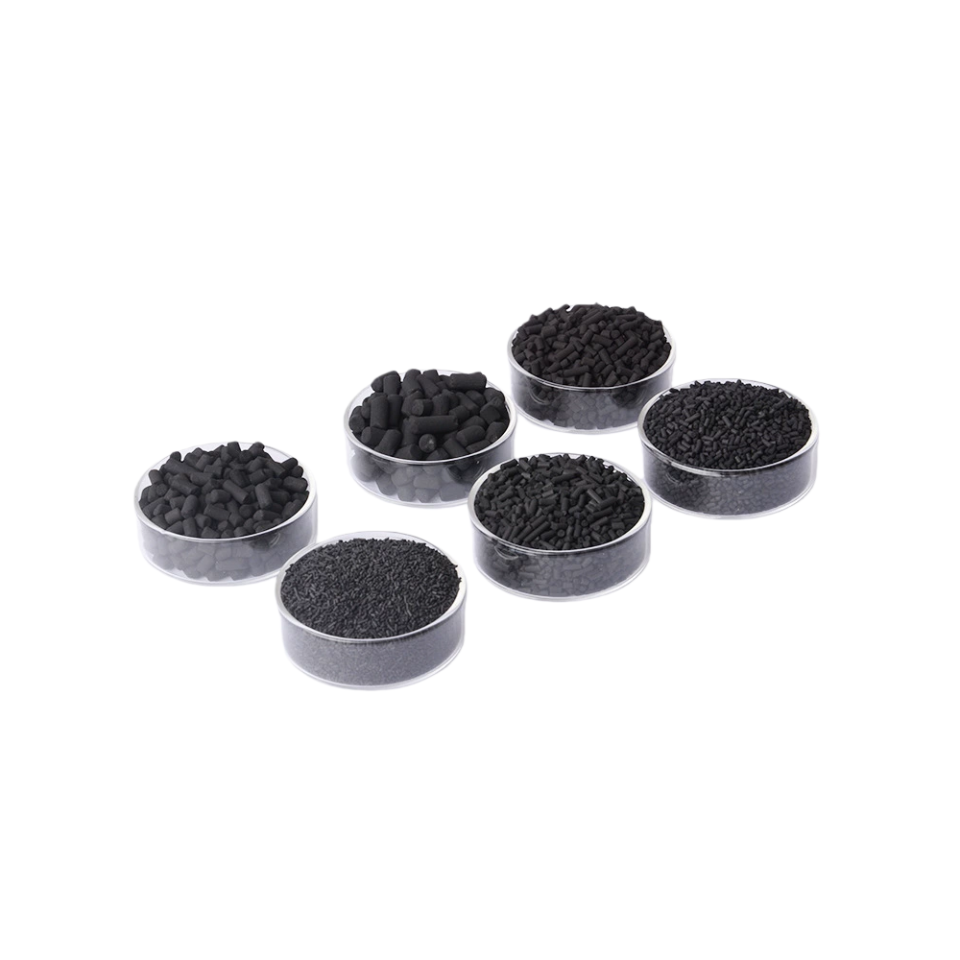
- Coconut shell activated carbon: Known for its superior hardness and microporosity, making it ideal for removing low molecular weight compounds like H₂S
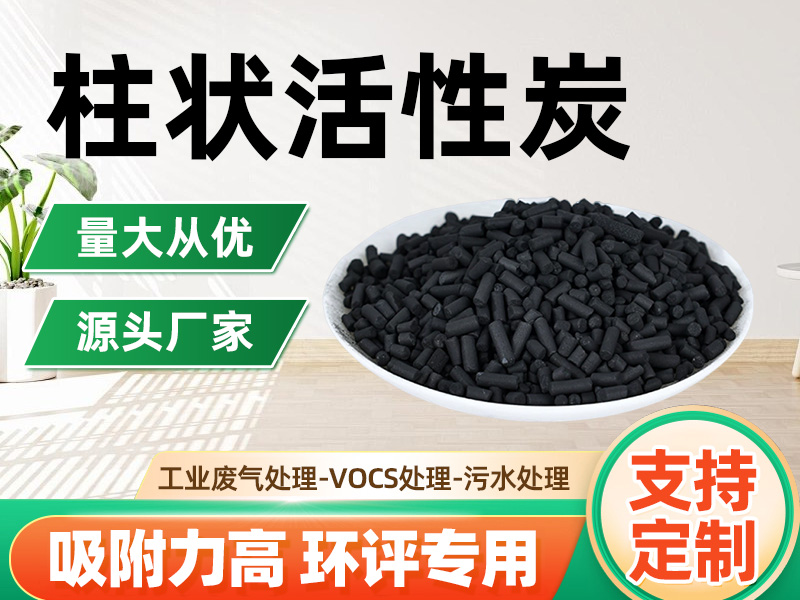
- Columnar activated carbon: Provides excellent pressure drop characteristics, making it suitable for gas-phase applications
- Spherical activated carbon: Offers uniform particle size and high mechanical strength for consistent performance
- Honeycomb activated carbon: Designed for high-flow applications with minimal pressure drop
Why Choose Our Activated Carbon Products?
Our activated carbon products are manufactured using premium raw materials and advanced activation processes, ensuring:
- High iodine number for superior adsorption capacity
- Consistent quality across batches
- Low ash content for cleaner operation
- Customizable specifications to meet specific application requirements
For Japanese sewage treatment plants, we can provide activated carbon that complies with local regulations and meets the stringent performance requirements of your facilities.
Complementary Water Treatment Chemicals for Enhanced Odor Control
While activated carbon forms the core of our odor removal solutions, we also offer a range of complementary water treatment chemicals that work synergistically to enhance overall performance:
| Product | Function in Odor Control | Recommended Application |
|---|---|---|
| Polyacrylamide (PAM) | Flocculant that helps separate solids from liquids, reducing organic load that contributes to odors | Primary and secondary treatment stages |
| Citric Acid | pH adjuster that can help control microbial activity responsible for odor production | Pre-treatment and pH correction |
| Polyaluminum Chloride (PAC) | Coagulant that aids in the removal of suspended solids and organic matter | Primary treatment stage |
| Sodium Hydroxide (NaOH) | Strong base used for pH adjustment and neutralization of acidic odors | pH control in various treatment stages |
Maintenance and Care Practices for Sustained Odor Control
Effective odor removal in sewage treatment plants requires not just the right materials but also proper maintenance practices. At Murong, we provide comprehensive support to help Japanese sewage treatment facilities maintain optimal performance:
1. Regular Activated Carbon Replacement
Activated carbon becomes saturated over time and must be replaced periodically to maintain its effectiveness. The replacement frequency depends on factors such as:
- Inlet odor concentration
- Flow rate through the carbon beds
- Type of activated carbon used
- Presence of other treatment systems
Our technical team can help you develop a customized replacement schedule based on your specific operating conditions.
2. Proper Storage of Chemicals
Water treatment chemicals must be stored correctly to maintain their effectiveness and prevent safety hazards:
- Store in a cool, dry place away from direct sunlight
- Keep containers tightly sealed when not in use
- Follow all safety precautions and local regulations for chemical storage
- Maintain proper inventory levels to avoid running out of critical materials
3. Equipment Inspection and Maintenance
Regular inspection and maintenance of odor control equipment are essential for reliable operation:
- Check for leaks in ductwork and carbon vessels
- Verify proper operation of fans and blowers
- Inspect chemical dosing systems for accuracy
- Clean filters and strainers regularly
Case Study: Odor Control Success in a Japanese Sewage Treatment Plant
One of our clients, a medium-sized sewage treatment plant in Osaka, was experiencing persistent odor issues despite having existing treatment systems in place. After a thorough analysis of their operations, we recommended a multi-faceted approach:
- Activated carbon upgrade: Replaced their existing carbon with our premium coconut shell activated carbon, which offered better adsorption capacity for H₂S and other sulfur compounds.
- Chemical optimization: Adjusted the dosing rates of polyacrylamide and polyaluminum chloride to improve solids removal and reduce organic load.
- Maintenance schedule: Implemented a regular carbon replacement and equipment inspection program.
Within three months of implementation, the plant reported a significant reduction in odor complaints from nearby residents. The improved odor control also led to better working conditions for plant staff and enhanced community relations.
FAQ
What is the most effective activated carbon for sewage treatment odor removal?
Coconut shell activated carbon is generally considered the most effective for sewage treatment odor removal due to its high microporosity and excellent adsorption capacity for low molecular weight compounds like hydrogen sulfide. However, the best choice depends on your specific odor profile and treatment requirements.
How often should activated carbon be replaced in sewage treatment applications?
The replacement frequency depends on several factors including inlet odor concentration, flow rate, and type of activated carbon. Typically, carbon beds in sewage treatment applications may need replacement every 6-18 months. Regular monitoring of breakthrough can help determine the optimal replacement schedule.
Can polyacrylamide help with odor control in sewage treatment?
While polyacrylamide itself doesn’t directly remove odors, it plays a crucial role in odor control by improving solids separation in the treatment process. By effectively removing suspended solids and organic matter, polyacrylamide reduces the organic load that contributes to odor production downstream.
What maintenance is required for activated carbon odor control systems?
Key maintenance tasks include regular inspection of carbon vessels for leaks, monitoring pressure drop across carbon beds, and implementing a scheduled carbon replacement program. It’s also important to maintain proper airflow through the system and ensure that any associated chemical treatment systems are operating correctly.
How can I reduce maintenance costs for sewage treatment odor control?
To reduce maintenance costs: 1) Choose high-quality activated carbon that lasts longer and performs better, 2) Implement a preventive maintenance program rather than reactive repairs, 3) Train staff on proper operation and basic troubleshooting, 4) Consider automated monitoring systems to detect issues early, and 5) Work with a reliable supplier who can provide technical support and optimized product recommendations.
Summary
Effective odor removal in Japanese sewage treatment plants requires a comprehensive approach that combines high-quality activated carbon with complementary water treatment chemicals and proper maintenance practices. At Murong (Shanghai) International Trading Co., Ltd., we specialize in providing tailored solutions to meet the unique challenges of odor control in wastewater treatment facilities.
Our premium activated carbon products, combined with our range of water treatment chemicals and technical expertise, can help you achieve significant improvements in odor control while optimizing operational costs. With our commitment to quality and customer service, we’re your trusted partner for all your sewage treatment odor removal needs in Japan and beyond.