
Sewage treatment plants play a crucial role in maintaining environmental health and public hygiene, but they often face significant challenges with odor control. In Japan, where environmental standards are exceptionally high, finding effective odor removal solutions is essential for sewage treatment facilities to operate smoothly and maintain community acceptance. This article explores comprehensive odor removal strategies for Japan’s sewage treatment plants, focusing on the use of industrial activated carbon and other advanced technologies.
Understanding the Odor Problem in Sewage Treatment Plants
The odors emanating from sewage treatment plants are primarily caused by the decomposition of organic matter and the release of various gases such as hydrogen sulfide (H₂S), ammonia (NH₃), and volatile organic compounds (VOCs). These gases not only create unpleasant smells but can also pose health risks to workers and nearby residents if not properly controlled.
In Japan, where population density is high and residential areas often surround industrial facilities, effective odor control is particularly critical. The Japanese government has implemented strict regulations regarding air quality around sewage treatment plants, making odor removal an essential aspect of plant operation and maintenance.
The Role of Activated Carbon in Odor Removal
Activated carbon has emerged as one of the most effective materials for odor removal in sewage treatment applications. Its high surface area and porous structure allow it to adsorb a wide range of odor-causing compounds, making it an ideal solution for this challenging application.
There are several types of activated carbon used in odor control systems:
- Coconut shell activated carbon: Known for its high hardness and excellent adsorption capacity for organic compounds and gases.
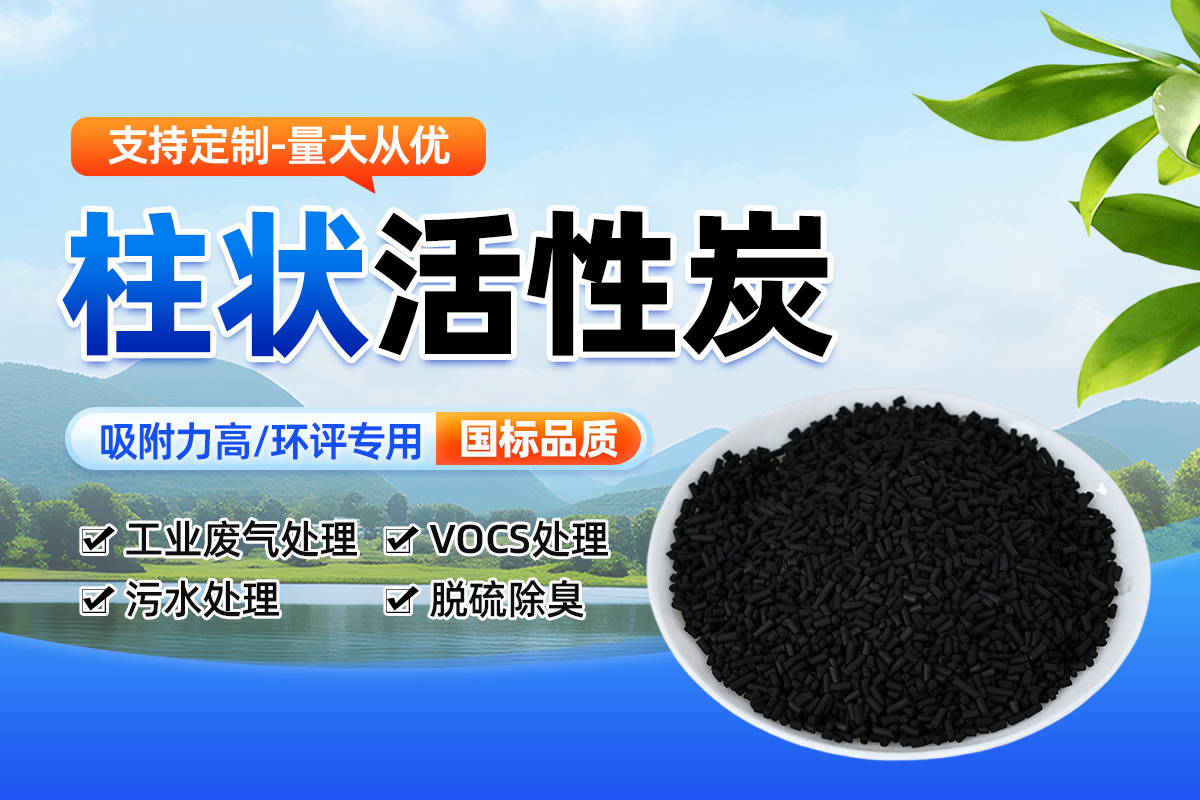
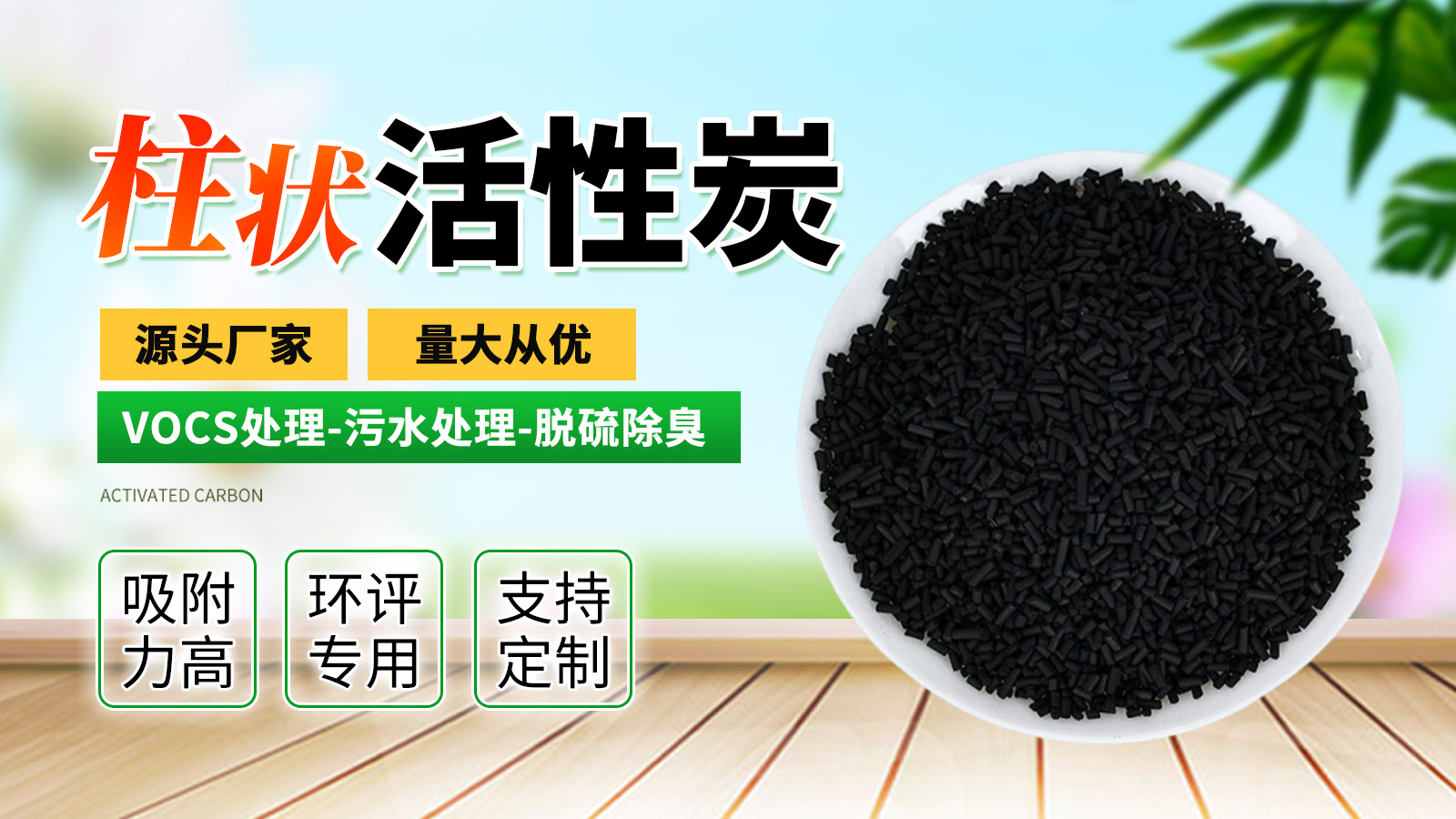
- Columnar activated carbon: Provides good mechanical strength and low pressure drop, making it suitable for gas-phase applications.
- Spherical activated carbon: Offers uniform particle size and good flow characteristics in packed beds.
- Honeycomb activated carbon: Designed specifically for gas purification with low pressure drop and high contact efficiency.
Each type of activated carbon has specific characteristics that make it suitable for different odor removal scenarios in sewage treatment plants. The choice depends on factors such as the types of odors present, flow rates, and system design requirements.
Comprehensive Odor Removal Solutions for Japan Sewage Plants
As a leading supplier of water treatment materials in Shanghai, China, we offer comprehensive odor removal solutions tailored specifically for Japan’s sewage treatment plants. Our approach combines high-quality activated carbon products with professional consultation and system design services.
1. Activated Carbon Selection and Supply
We provide a wide range of activated carbon products suitable for various odor removal applications in sewage treatment plants. Our coconut shell activated carbon, in particular, has proven highly effective in removing hydrogen sulfide and other sulfur compounds that are common odor sources in sewage treatment.
Our technical team works closely with Japanese clients to select the most appropriate activated carbon type and grade based on specific odor profiles and treatment requirements. We ensure consistent product quality through rigorous quality control processes at our manufacturing facilities.
2. System Design and Optimization
Effective odor removal requires more than just high-quality activated carbon—it requires a well-designed system that maximizes contact time and ensures even distribution of the gas stream through the carbon bed. Our engineers specialize in designing odor control systems that integrate seamlessly with existing sewage treatment processes.
We consider factors such as:
- Gas flow rates and concentrations
- Temperature and humidity conditions
- Space constraints for equipment installation
- Maintenance and carbon replacement requirements
- Regulatory compliance needs
3. Technical Support and Consultation
Our commitment to our Japanese clients extends beyond product supply. We offer comprehensive technical support throughout the project lifecycle, from initial consultation and system design to installation supervision and ongoing maintenance guidance.
Our team of experts is available to provide:
- Site assessments and odor source identification
- Performance testing and system optimization
- Operator training on system operation and maintenance
- Troubleshooting and problem-solving assistance
- Regulatory compliance guidance
Case Study: Successful Odor Removal Implementation in Japan
One of our recent projects involved providing odor removal solutions for a medium-sized sewage treatment plant in Osaka, Japan. The plant was experiencing persistent odor issues, particularly from its sludge treatment area, which was causing complaints from nearby residents.
After conducting a thorough site assessment, our team recommended a multi-stage odor control system featuring:
| System Component | Function | Activated Carbon Type |
|---|---|---|
| Pre-filter | Remove particulates and moisture | Not applicable |
| Primary treatment | Remove hydrogen sulfide and other sulfur compounds | Impregnated coconut shell activated carbon |
| Secondary treatment | Remove remaining VOCs and ammonia | High-grade coconut shell activated carbon |
The system was designed to handle a gas flow rate of 5,000 m³/h with an inlet H₂S concentration of up to 50 ppm. After implementation, the plant reported a 95% reduction in odor complaints within the first month of operation.
Regular monitoring showed consistent performance, with outlet H₂S concentrations consistently below 0.5 ppm. The plant was able to extend the carbon replacement interval to 12 months, significantly reducing operational costs compared to their previous solution.
FAQ
What makes activated carbon effective for odor removal in sewage treatment plants?
Activated carbon’s effectiveness comes from its high surface area and porous structure, which allows it to adsorb a wide range of odor-causing compounds. The microscopic pores in activated carbon create a large internal surface area where gas molecules can attach, effectively removing them from the air stream.
How often does activated carbon need to be replaced in odor control systems?
The replacement frequency depends on several factors including the type and concentration of odors, gas flow rates, temperature, humidity, and the specific type of activated carbon used. In typical sewage treatment applications, carbon beds may need replacement every 6 to 18 months. Regular monitoring of breakthrough (when odors start to appear in the outlet) helps determine the optimal replacement schedule.
Can activated carbon remove all types of odors from sewage treatment plants?
While activated carbon is highly effective for many odor-causing compounds, including hydrogen sulfide, ammonia, and various VOCs, it may not be the best solution for all odor sources. For example, some inorganic gases may require chemical scrubbing or biofiltration. A comprehensive odor control strategy often combines multiple technologies for optimal results.
How does your company ensure the quality of activated carbon for Japanese clients?
We implement strict quality control measures throughout our production process, from raw material selection to final product testing. Our activated carbon meets international standards including ASTM, JIS, and AWWA specifications. For Japanese clients, we can provide additional testing and certification as required to ensure compliance with local regulations and standards.
What additional services do you offer besides activated carbon supply?
In addition to supplying high-quality activated carbon, we offer comprehensive odor control solutions including system design, installation supervision, operator training, performance testing, and ongoing technical support. Our team of experts works closely with clients to develop customized solutions that address their specific odor control challenges.
Summary
Effective odor removal is essential for the successful operation of sewage treatment plants in Japan, where environmental standards are high and community relations are critical. Activated carbon has proven to be one of the most reliable and efficient technologies for this application, offering excellent performance across a wide range of odor-causing compounds.
As a trusted supplier with extensive experience in the water treatment industry, we are committed to providing Japanese sewage treatment plants with high-quality activated carbon products and comprehensive odor control solutions. Our approach combines premium materials with expert consultation and system design services to ensure optimal performance and regulatory compliance.
By partnering with us, Japanese sewage treatment facilities can achieve significant improvements in odor control, enhancing their operational efficiency, reducing environmental impact, and maintaining positive relationships with surrounding communities. Contact us today to learn more about our odor removal solutions tailored specifically for Japan’s sewage treatment industry.