
Industrial water filtration plays a crucial role in maintaining operational efficiency and environmental compliance across various sectors in Japan. As industries face increasing pressure to reduce water consumption and minimize environmental impact, selecting the right filtration materials and solutions becomes essential. This comprehensive guide explores the key components of industrial water filtration systems in Japan, focusing on activated carbon, polyacrylamide, citric acid, and anthracite filter media.
Understanding Industrial Water Filtration Needs in Japan
Japan’s industrial sector faces unique challenges when it comes to water filtration. The country’s stringent environmental regulations combined with the need for efficient water reuse systems make selecting appropriate filtration materials critical. Industries such as automotive manufacturing, electronics production, chemical processing, and food and beverage all require specialized water treatment solutions to meet their specific operational needs.
The Japanese market demands high-quality filtration materials that can effectively remove contaminants while maintaining system efficiency. Factors such as water hardness, chemical composition, temperature variations, and flow rates all influence the selection of appropriate filtration components. Understanding these local conditions is essential for designing effective water treatment systems that comply with Japanese industrial standards.
Activated Carbon: The Cornerstone of Industrial Water Filtration
Activated carbon stands as one of the most versatile and effective materials for industrial water filtration in Japan. Its porous structure provides exceptional adsorption capabilities, making it ideal for removing organic compounds, chlorine, odors, and colors from water. The Japanese market offers several types of activated carbon specifically designed for industrial applications:
- Coconut shell activated carbon: Known for its high hardness and superior pore structure, this type excels in removing small organic molecules and is particularly effective in pharmaceutical and food industry applications.
- Wood-based activated carbon: Offers excellent decolorization properties and is often used in beverage production and wastewater treatment.
- Coal-based activated carbon: Provides a balance of cost and performance, making it suitable for general industrial water treatment applications.
- Powdered activated carbon: Ideal for emergency spill response or seasonal variations in water quality, offering rapid adsorption capabilities.
When selecting activated carbon for industrial applications in Japan, consider factors such as particle size distribution, iodine number, surface area, and ash content. These parameters directly affect the carbon’s performance and service life in specific filtration applications.
Polyacrylamide: Enhancing Filtration Efficiency
Polyacrylamide (PAM) plays a vital role in industrial water treatment by acting as a flocculant and coagulant aid. This water-soluble polymer helps aggregate fine particles into larger flocs that can be more easily removed through sedimentation or filtration processes. In Japan’s industrial water treatment systems, PAM offers several key benefits:
Firstly, it improves the efficiency of traditional filtration methods by reducing turbidity and suspended solids. This is particularly valuable in applications like metal plating wastewater treatment, where heavy metal removal requires precise control of particle sizes. Secondly, PAM enhances the performance of activated carbon filters by preventing premature clogging, thereby extending the service life of carbon media.
Japanese manufacturers have developed specialized grades of polyacrylamide for different industrial applications. Cationic PAM varieties work effectively with negatively charged particles commonly found in organic wastewater, while anionic types are better suited for inorganic colloidal systems. Non-ionic PAM offers versatility in neutral pH conditions.
When using polyacrylamide in industrial water treatment, proper dosage control is crucial. Overdosing can lead to increased viscosity and potential fouling of filtration equipment, while underdosing reduces treatment effectiveness. Japanese industry standards recommend conducting jar tests to determine optimal dosage rates for specific water compositions.
Citric Acid: Natural Solution for Water Treatment Challenges
Citric acid has emerged as a valuable component in Japan’s industrial water treatment arsenal, offering both environmental and operational benefits. As a natural, biodegradable chelant, citric acid effectively binds with metal ions, preventing scale formation and corrosion in water systems without introducing harmful byproducts.
In Japanese industries, citric acid finds application in several key areas:
- Boiler water treatment: Prevents calcium and magnesium scale formation without the need for harsh chemical inhibitors
- Cooling tower systems: Controls microbial growth and mineral deposition while being safe for workers and equipment
- Reverse osmosis pretreatment: Adjusts pH and chelates metals to protect membrane systems
- Wastewater treatment: Facilitates heavy metal removal through precipitation processes
The food-grade quality of citric acid makes it particularly attractive to Japanese industries with stringent hygiene requirements, such as pharmaceutical manufacturing and food processing. Its mild acidic properties allow for safe handling while still providing effective treatment results.
When implementing citric acid-based treatment programs, Japanese facilities must consider proper dosage rates based on water hardness and metal ion concentrations. Continuous monitoring of pH levels and total dissolved solids helps maintain optimal treatment conditions and prevent over-acidification of systems.
| Parameter | Recommended Range for Industrial Use | Benefits |
|---|---|---|
| Citric Acid Concentration | 2-10% by weight | Effective chelation without excessive acidity |
| pH Level | 3.5-6.5 | Optimizes chelation while protecting equipment |
| Contact Time | 15-60 minutes | Ensures complete chelation reaction |
| Temperature | 20-60°C | Enhances reaction kinetics without thermal degradation |
Anthracite Filter Media: Durable Solution for Industrial Filtration
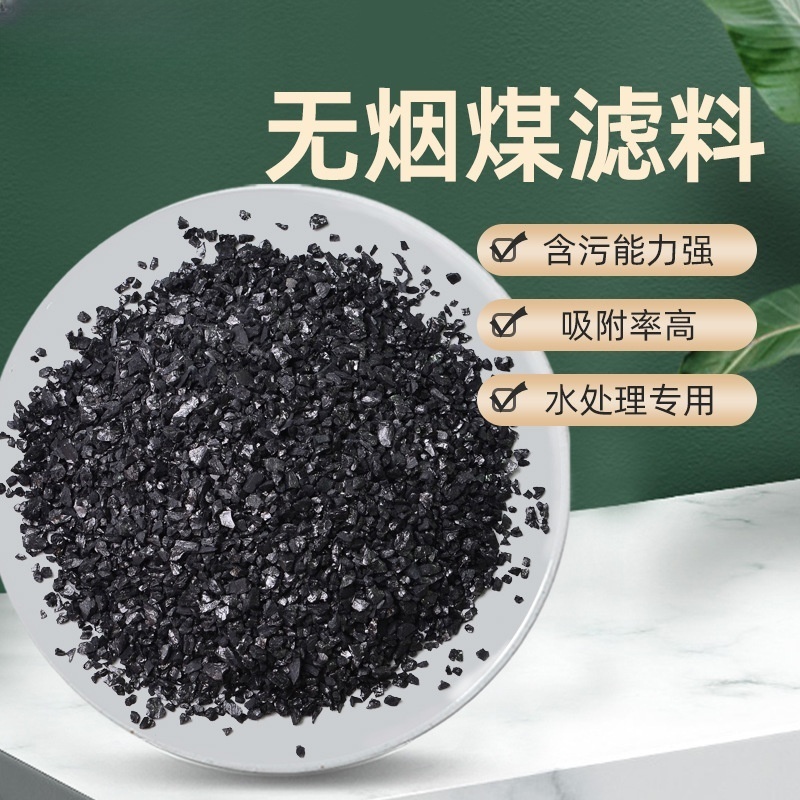
Anthracite coal has established itself as a premium filter media in Japan’s industrial water treatment systems due to its unique combination of durability and filtration efficiency. This hard, dense form of coal provides several advantages over traditional sand filters:
Firstly, anthracite’s higher specific gravity and angular shape create more void space in filter beds, allowing for greater dirt-holding capacity and longer service cycles between backwashes. This translates to reduced water and chemical consumption for system maintenance, aligning with Japan’s emphasis on resource efficiency.
Secondly, anthracite filters effectively remove suspended solids, turbidity, and some organic contaminants without the need for chemical additives. This makes them particularly suitable for pre-treatment applications before activated carbon or membrane filtration stages.
Japanese industries utilize anthracite filter media in various configurations:
- Single-media filters: Simple and effective for general-purpose filtration
- Dual-media filters: Combined with sand for improved particle size distribution
- Multi-media filters: Incorporated with garnet and sand for high-efficiency filtration
- Activated carbon-anthracite blends: Provide both adsorption and mechanical filtration in one stage
When selecting anthracite filter media, Japanese specifications typically require a minimum carbon content of 85-90% with low ash and sulfur content to prevent secondary contamination. Proper gradation of particle sizes ensures optimal flow rates and filtration performance across different industrial applications.
FAQ
What are the key factors to consider when selecting industrial water filtration materials in Japan?
When choosing filtration materials for industrial applications in Japan, consider water quality parameters (hardness, pH, contaminants), required flow rates, system design constraints, regulatory compliance requirements, and total cost of ownership. Local climate conditions and available space for equipment installation also play important roles in material selection.
How often should activated carbon filters be replaced in industrial systems?
The replacement frequency depends on several factors including the type of activated carbon, contaminant load, flow rate, and system design. Typically, coconut shell activated carbon may require replacement every 6-18 months in industrial applications, while coal-based varieties might last 12-24 months. Regular monitoring of pressure drop and effluent quality helps determine optimal replacement intervals.
Can polyacrylamide be used with all types of activated carbon?
Yes, polyacrylamide can be used with all major types of activated carbon (coconut shell, wood-based, coal-based). However, proper dosage control is essential to prevent fouling of carbon pores. In some cases, pre-flocculation with PAM before activated carbon filtration can improve overall system performance and extend carbon service life.
What safety precautions should be taken when handling citric acid in industrial settings?
While citric acid is generally safe, proper handling precautions include wearing protective gloves and eyewear to prevent skin and eye irritation. Adequate ventilation should be maintained in storage and handling areas. Concentrated solutions can be corrosive, so appropriate containment measures should be in place. Always follow Japanese industrial safety regulations and material safety data sheet recommendations.
How does anthracite filter media compare to sand in terms of filtration efficiency?
Anthracite offers superior filtration efficiency compared to traditional sand filters due to its higher porosity and angular particle shape. This results in greater dirt-holding capacity, longer service cycles, and reduced backwash frequency. Anthracite filters typically achieve 10-15% better turbidity removal than equivalent sand filters while maintaining similar flow rates.
Summary
Selecting the right materials for industrial water filtration in Japan requires careful consideration of both performance requirements and local market conditions. Activated carbon provides versatile adsorption capabilities, while polyacrylamide enhances overall system efficiency through effective flocculation. Citric acid offers a natural, biodegradable solution for scale and corrosion control, and anthracite filter media delivers durable mechanical filtration performance.
A comprehensive approach that combines these materials based on specific industrial requirements yields the most effective water treatment solutions. Japanese industries benefit from working with suppliers who understand both the technical aspects of filtration materials and the unique operational challenges faced in the Japanese market.
By implementing proper material selection, dosage control, and maintenance procedures, industrial facilities in Japan can achieve optimal water quality while minimizing operational costs and environmental impact. The combination of advanced filtration materials and professional technical support ensures reliable performance that meets Japan’s high standards for industrial water treatment.