
Industrial water filtration is a critical process in Japan’s manufacturing sector, particularly for power plants and chemical factories that require consistent water quality for their operations. This comprehensive guide explores the best material selection for industrial water treatment in Japan, maintenance practices for water filtration systems, and reliable suppliers for essential water treatment chemicals and media. Whether you’re looking to optimize your existing system or implement a new solution, this article provides valuable insights for Japanese industrial facilities.
Understanding Japan’s Industrial Water Treatment Needs
Japan’s industrial sector faces unique challenges when it comes to water treatment. The country’s strict environmental regulations, combined with the need for high-purity water in many manufacturing processes, make effective water filtration essential. Power plants and chemical factories, in particular, require specialized water treatment solutions to prevent equipment corrosion, maintain process efficiency, and comply with environmental standards.
The selection of appropriate water treatment materials depends on several factors, including the specific industrial application, water source quality, and desired treatment outcomes. For Japanese industries, the focus is typically on materials that offer high efficiency, durability, and compliance with local regulations.
Key Water Treatment Materials for Japanese Industries
When it comes to industrial water filtration in Japan, several materials stand out for their effectiveness and reliability. These materials are widely used across various sectors, from power generation to chemical manufacturing:
1. Activated Carbon for Industrial Water Treatment
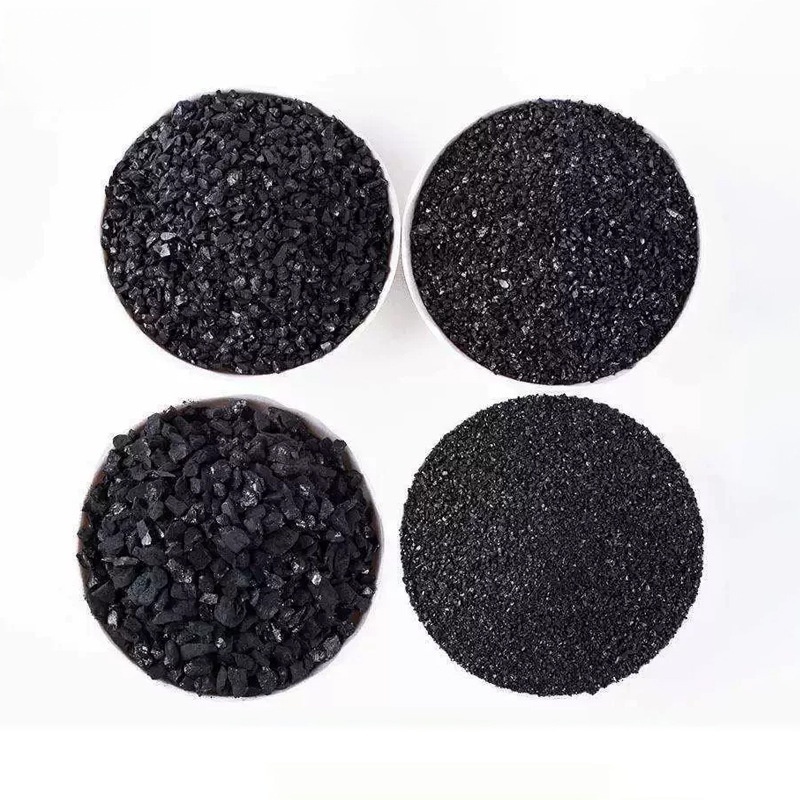
Activated carbon is a versatile material that plays a crucial role in removing organic contaminants, chlorine, and unpleasant odors from industrial water. In Japan, different forms of activated carbon are used depending on the specific application:
- Coconut shell activated carbon: Known for its high surface area and excellent adsorption capacity, ideal for removing trace organic compounds
- Columnar activated carbon: Provides good mechanical strength and is often used in fixed-bed filtration systems
- Spherical activated carbon: Offers uniform particle size and good flow characteristics, suitable for high-precision filtration
- Honeycomb activated carbon: Designed for gas-phase applications but also used in specialized water treatment processes
Japanese industries often source activated carbon from reputable suppliers who can provide consistent quality and technical support. The material’s effectiveness in removing contaminants makes it indispensable for power plant cooling systems and chemical process water treatment.
2. Polyacrylamide for Water Treatment Applications
Polyacrylamide (PAM) is a water-soluble polymer widely used in Japan’s industrial water treatment for its flocculation and coagulation properties. It helps remove suspended solids and organic matter from water by causing particles to clump together for easier removal.
Japanese industries typically use cationic polyacrylamide for sludge dewatering and anionic polyacrylamide for water clarification. The proper selection of molecular weight and charge density is crucial for optimal performance in different water treatment scenarios.
3. Citric Acid for Industrial Cleaning and Maintenance
While not a filtration material per se, citric acid plays an important role in maintaining water treatment systems in Japanese factories. It’s commonly used for:
- Descaling of heat exchangers and cooling towers
- Cleaning of membrane filtration systems
- pH adjustment in water treatment processes
Citric acid’s biodegradability and effectiveness make it a preferred choice for Japanese industries looking for environmentally friendly cleaning solutions that comply with strict regulations.
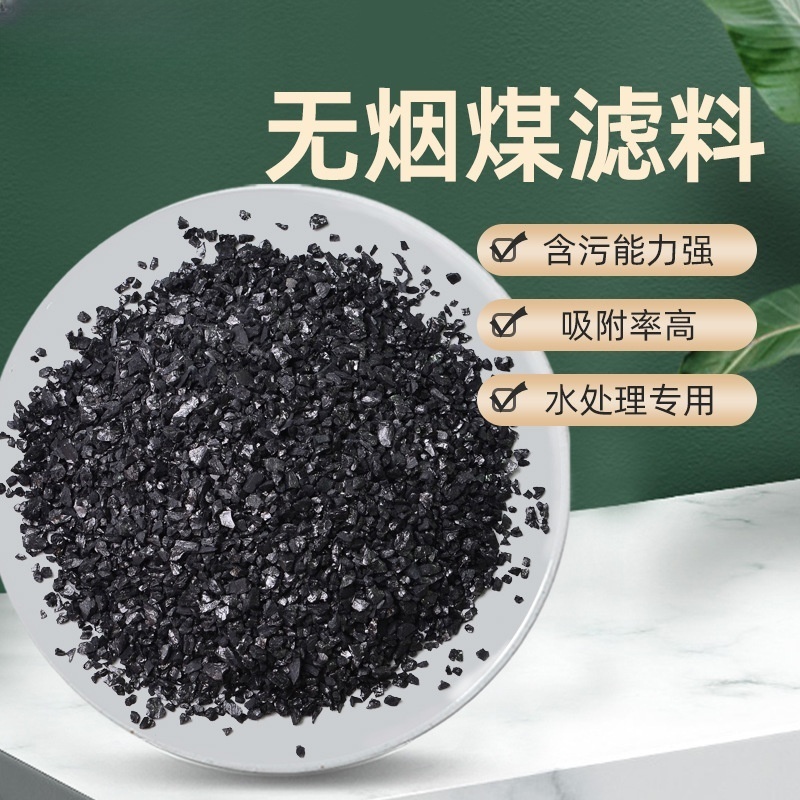
4. Anthracite Filter Media for Water Purification
Anthracite coal is a popular filter media in Japan for multi-media filtration systems. Its high carbon content and hardness make it ideal for:
- Removing suspended solids and turbidity
- Providing pre-filtration for finer filtration stages
- Offering long service life with minimal attrition
Japanese water treatment specialists often combine anthracite with other media like sand and garnet to create effective multi-layer filtration systems that can handle the demanding requirements of industrial applications.
Selecting the Right Water Treatment Supplier in Japan
Choosing a reliable supplier for industrial water treatment materials is crucial for Japanese factories. Here are key factors to consider:
| Selection Criteria | Importance for Japanese Industries |
|---|---|
| Product Quality Certifications | Ensures compliance with Japanese industrial standards (JIS) and environmental regulations |
| Technical Support | Critical for proper material selection and system optimization |
| Consistent Supply | Prevents production disruptions in Japanese factories |
| Environmental Compliance | Meets Japan’s strict environmental protection requirements |
| Local Inventory | Reduces lead times for just-in-time manufacturing in Japan |
Maintenance Practices for Industrial Water Treatment Systems in Japan
Regular maintenance is essential to ensure the longevity and effectiveness of water treatment systems in Japanese factories. Here are key maintenance practices:
1. Power Plant Water Treatment Maintenance
Japanese power plants require rigorous maintenance schedules for their water treatment systems to prevent scaling, corrosion, and biofouling. Typical maintenance tasks include:
- Regular backwashing of multimedia filters
- Periodic replacement of activated carbon and ion exchange resins
- Chemical cleaning of membrane systems
- Monitoring and adjusting chemical dosing rates
2. Chemical Plant Water Treatment System Care
Chemical manufacturing facilities in Japan face unique challenges due to the variety of process chemicals that can affect water treatment systems. Maintenance practices include:
- Frequent monitoring of water quality parameters
- Preventive maintenance of pumps and valves
- Regular inspection of storage tanks for contamination
- Cleaning and descaling of heat exchangers
3. Water Treatment System Maintenance Schedule
A well-planned maintenance schedule is crucial for Japanese industries to minimize downtime. Typical maintenance intervals include:
- Daily: Monitoring of key parameters, visual inspection of equipment
- Weekly: Backwashing of filters, calibration of instruments
- Monthly: Chemical cleaning of membranes, replacement of filter elements
- Quarterly: Comprehensive system inspection, performance testing
- Annually: Overhaul of major components, system optimization
FAQ
What are the best water treatment chemicals for Japanese industrial use?
The best water treatment chemicals for Japanese industries depend on the specific application. For general filtration, activated carbon is excellent for removing organic contaminants. Polyacrylamide is effective for flocculation in water clarification processes. For cleaning and maintenance, citric acid is widely used for descaling and pH adjustment. The choice should consider the specific water quality requirements and regulatory standards in Japan.
How do I select the right activated carbon for my factory in Japan?
Selecting the right activated carbon involves considering several factors: the type of contaminants to remove, the required purity level, flow rates, and contact time. Coconut shell activated carbon is often preferred for its high surface area and excellent adsorption capacity. For Japanese factories, it’s crucial to work with a supplier that can provide detailed specifications and technical support to ensure the selected product meets your specific process requirements.
Which companies supply industrial water treatment materials in Japan?
Several reputable companies supply industrial water treatment materials in Japan, including international suppliers with local operations and domestic manufacturers. When selecting a supplier, look for companies with a proven track record in the Japanese market, proper certifications, and the ability to provide consistent quality and technical support. Some suppliers specialize in specific products like activated carbon or polyacrylamide, while others offer a comprehensive range of water treatment chemicals and media.
What maintenance is required for power plant water treatment systems?
Power plant water treatment systems in Japan require regular maintenance to ensure optimal performance. This includes daily monitoring of water quality parameters, weekly backwashing of filters, monthly chemical cleaning of membranes, and quarterly comprehensive inspections. Annual overhauls of major components are also recommended. The exact maintenance schedule depends on the specific system design, water quality, and operational conditions of the power plant.
How often should chemical plant water treatment systems be serviced?
Chemical plant water treatment systems in Japan should follow a structured maintenance schedule similar to power plants, with daily monitoring and weekly maintenance tasks. However, due to the potentially corrosive nature of process chemicals, more frequent inspections may be necessary. The service intervals should be determined based on the specific chemicals used in the plant, water quality requirements, and the manufacturer’s recommendations for the water treatment equipment.
Summary
Effective industrial water filtration is essential for Japanese factories, particularly in power generation and chemical manufacturing sectors. The selection of appropriate materials like activated carbon, polyacrylamide, citric acid, and anthracite filter media depends on specific application requirements and regulatory standards in Japan. Working with reliable suppliers who understand the unique needs of Japanese industries is crucial for ensuring consistent product quality and technical support.
Regular maintenance of water treatment systems, following a structured schedule tailored to each facility’s needs, helps prevent costly downtime and ensures compliance with Japan’s strict environmental regulations. By implementing these best practices, Japanese industries can maintain optimal water quality for their processes while minimizing operational costs and environmental impact.