
The plastic injection industry in Japan generates significant amounts of waste gas during production processes, requiring effective treatment solutions to meet environmental standards. As a leading industrial activated carbon supplier with extensive international trade experience, Murong (Shanghai) International Trading Co., Ltd. provides specialized solutions for waste gas treatment in Japan’s plastic injection sector. This article explores the technical requirements, product selection criteria, and system design principles for effective waste gas purification using activated carbon.
Understanding Plastic Injection Waste Gas Composition
The waste gas generated during plastic injection molding primarily consists of volatile organic compounds (VOCs), particulate matter, and odorous substances. These pollutants originate from several sources:
- Thermal degradation of plastic raw materials during melting
- Release of additives and plasticizers during processing
- Evaporation of solvents used in mold cleaning and maintenance
- Combustion by-products from heating systems
The specific composition varies depending on the type of plastic used (PP, PE, ABS, PC, etc.), processing temperature, and production scale. For Japan’s precision manufacturing industry, these emissions must be controlled to meet strict local environmental regulations while maintaining production efficiency.
Activated Carbon Selection Criteria for Plastic Injection Waste Gas
Choosing the right activated carbon requires comprehensive evaluation of several key parameters:
1. Raw Material Type
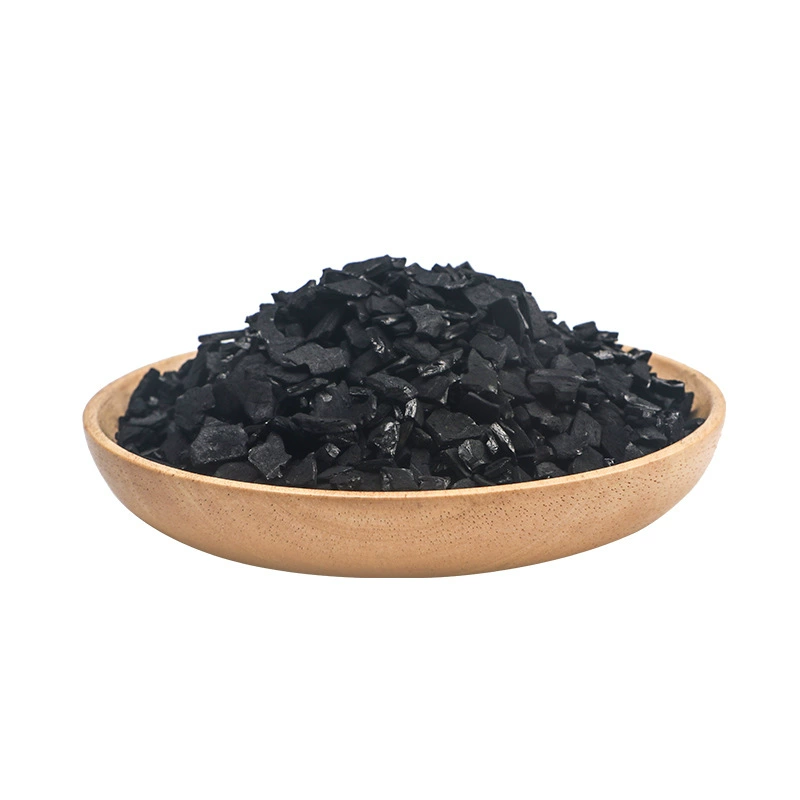
Coconut shell activated carbon is generally preferred for waste gas treatment in the plastic injection industry due to its:
- High micropore volume (0.8-1.2 cm³/g) for effective VOC adsorption
- Excellent hardness (95-98%) preventing dust generation during use
- Low ash content (<3%) minimizing secondary pollution
- Good regeneration performance for cost-effective operation
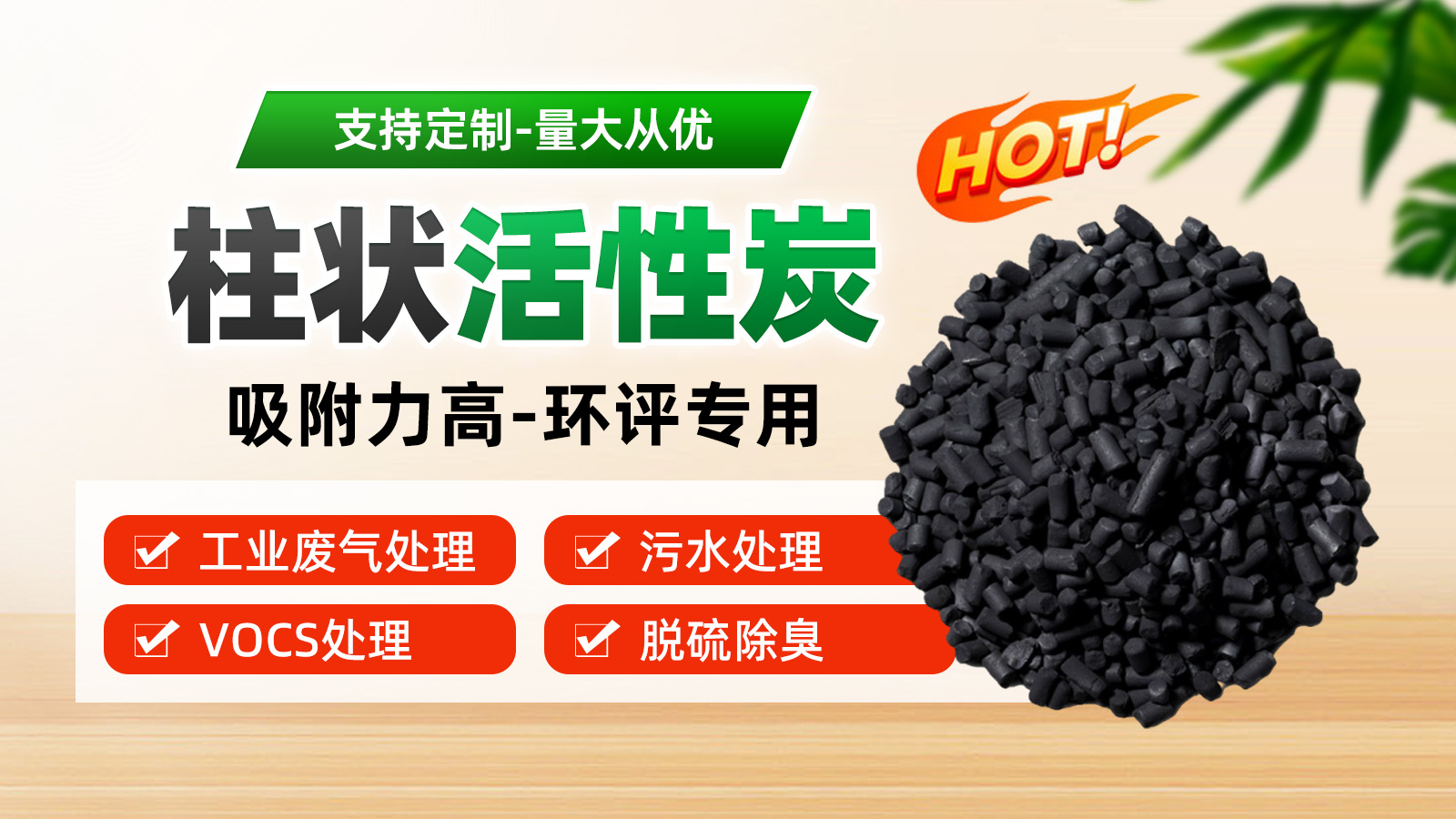
For specific applications requiring higher mechanical strength, coal-based activated carbon may be considered as an alternative solution.
2. Physical Properties
Key physical parameters affecting performance include:
| Parameter | Specification | Impact |
|---|---|---|
| Iodine Number | 900-1200 mg/g | Indicates micropore development |
| CTC Value | 50-70% | Measures mesopore capacity |
| Particle Size | 3-5 mm or 4-8 mm | Affects pressure drop |
| Bulk Density | 0.45-0.55 g/cm³ | Determines bed volume |
3. Chemical Properties
For plastic injection applications, the activated carbon should demonstrate:
- Good chemical stability to resist degradation from various VOCs
- Appropriate surface chemistry for targeted compound adsorption
- Low moisture content (<5%) to prevent competitive adsorption
- Consistent quality batch-to-batch for reliable system performance
System Design Principles for Waste Gas Treatment
Effective waste gas treatment requires comprehensive system design considering:
1. Pre-treatment Stage
Before activated carbon filtration, the waste gas should pass through:
- Cyclone separator for large particle removal
- Bag filter or cartridge filter for fine particulate control
- Cooling system to reduce gas temperature below 40°C
- Demister for moisture separation
Proper pre-treatment extends activated carbon life and maintains consistent performance.
2. Adsorption System Configuration
Common configurations include:
- Fixed-bed adsorbers: Most common for medium-scale applications, with 2-3 vessels for continuous operation
- Moving-bed adsorbers: Suitable for large-scale continuous processes with automatic carbon replacement
- Rotary concentrator systems: Combined with activated carbon for energy-efficient VOC recovery
For Japan’s plastic injection industry, fixed-bed systems with coconut shell activated carbon are typically the most cost-effective solution.
3. Operating Parameters
Key operational factors affecting treatment efficiency:
- Empty bed contact time (EBCT): Typically 0.5-2 seconds for VOC removal
- Gas flow rate: Should not exceed design capacity to prevent breakthrough
- Temperature: Best maintained below 40°C for optimal adsorption
- Humidity: Should be controlled below 80% RH
Supplier Selection Criteria for Japan Market
When choosing an activated carbon supplier for Japan’s plastic injection industry, consider these critical factors:
1. Product Quality Certification
The supplier should provide:
- ISO 9001 quality management system certification
- Detailed product specifications and test reports
- Consistent batch quality control procedures
- Compliance with Japan’s industrial safety standards
2. Technical Support Capability
A reliable supplier should offer:
- On-site system evaluation and design assistance
- Activated carbon consumption calculations
- Replacement schedule recommendations
- Emergency technical support services
3. Supply Chain Reliability
For Japan’s manufacturing industry, suppliers should ensure:
- Stable production capacity to meet continuous demand
- Flexible order quantities to accommodate production changes
- Reliable logistics and timely delivery
- Proper documentation for customs clearance
Case Study: Waste Gas Treatment System Optimization
A Japanese plastic injection manufacturer faced challenges with their existing waste gas treatment system:
- Frequent activated carbon replacement (every 2 weeks)
- High operating costs due to excessive carbon consumption
- Inconsistent emission compliance during production peaks
After system evaluation, we recommended:
- Upgrading pre-treatment filters to reduce particulate loading
- Switching to higher-quality coconut shell activated carbon with 1100 mg/g iodine number
- Optimizing EBCT from 0.8s to 1.2s
- Implementing staggered adsorption vessel operation
The improvements resulted in:
- Activated carbon replacement interval extended to 6 weeks
- 35% reduction in annual carbon consumption
- Consistent compliance with local emission standards
- Lower total operating costs despite initial investment
FAQ
What is the typical service life of activated carbon in plastic injection waste gas treatment?
The service life depends on several factors including waste gas composition, concentration, flow rate, and operating temperature. For typical plastic injection applications with proper pre-treatment, coconut shell activated carbon can last 4-8 weeks before requiring replacement or regeneration. Regular monitoring of breakthrough points helps determine optimal replacement schedules.
How to determine the required quantity of activated carbon for a new system?
The calculation involves several steps: 1) Determine the total VOC loading (g/h) from waste gas analysis; 2) Select appropriate EBCT based on treatment requirements; 3) Calculate required carbon volume using adsorption capacity data; 4) Add safety factor (typically 10-20%); 5) Consider vessel configuration and utilization rate. A professional supplier can provide detailed calculations based on specific system parameters.
Can used activated carbon be regenerated for reuse?
Yes, used activated carbon can be regenerated through thermal reactivation, steam treatment, or chemical regeneration methods. However, regeneration is only cost-effective for large-scale applications and when the carbon quality remains acceptable after treatment. For most plastic injection applications in Japan, replacing spent carbon with fresh material is more practical due to stringent quality requirements and relatively moderate consumption volumes.
What are the main differences between coconut shell and coal-based activated carbon for this application?
Coconut shell activated carbon offers higher micropore volume and better hardness, making it more suitable for VOC adsorption and long-term operation without dust generation. Coal-based activated carbon typically has more mesopores and may be more cost-effective for certain applications, but generally has lower adsorption capacity for low-molecular-weight VOCs common in plastic injection waste gas. For Japan’s precision manufacturing requirements, coconut shell activated carbon is usually the preferred choice.
Summary
Effective waste gas treatment in Japan’s plastic injection industry requires careful selection of activated carbon products and system design. Coconut shell activated carbon with high iodine number and excellent physical properties offers the best performance for VOC removal. System design should incorporate proper pre-treatment, optimized adsorption parameters, and reliable operational controls. Choosing a supplier with technical expertise and supply chain reliability ensures consistent performance and cost-effective operation. By implementing these solutions, plastic injection manufacturers can achieve reliable emission control while maintaining production efficiency and competitiveness in the Japanese market.