
Mining operations generate significant volumes of wastewater that require specialized treatment to meet environmental regulations and ensure sustainable operations. In Japan, where industrial standards are exceptionally high, mining companies face unique challenges in maintaining their wastewater systems. This comprehensive guide explores the best practices for mining wastewater maintenance in Japan, focusing on industrial activated carbon solutions, repair services, and preservation techniques.
Understanding Mining Wastewater Challenges in Japan
Japanese mining operations must comply with stringent environmental regulations that require sophisticated wastewater treatment solutions. The unique geological composition of Japanese mines often results in wastewater containing high concentrations of heavy metals, suspended solids, and acidic components. These contaminants demand specialized treatment approaches to prevent environmental damage and ensure regulatory compliance.
The Japanese government’s strict enforcement of water quality standards has led mining companies to invest heavily in advanced treatment technologies. Industrial activated carbon has emerged as a critical component in these treatment systems due to its exceptional adsorption properties and versatility in removing various contaminants.
Industrial Activated Carbon Solutions for Mining Wastewater
Activated carbon plays a pivotal role in mining wastewater treatment by effectively removing organic compounds, heavy metals, and other pollutants. The market offers several types of activated carbon products specifically designed for industrial applications:
- Coconut shell granular activated carbon: Known for its high hardness and excellent adsorption capacity, ideal for removing organic contaminants and heavy metals
- Powdered activated carbon: Provides rapid adsorption for emergency treatment scenarios or high-contaminant loads
- Columnar activated carbon: Offers uniform pore structure for consistent treatment performance in fixed-bed systems
- Spherical activated carbon: Features low pressure drop and high mechanical strength for continuous flow applications
- Honeycomb activated carbon: Designed for gas-phase treatment applications commonly found in mining operations
When selecting activated carbon for mining wastewater treatment in Japan, several factors must be considered:
| Selection Factor | Consideration |
|---|---|
| Contaminant Type | Different activated carbons have varying affinities for specific contaminants |
| Flow Rate | Higher flow rates may require specialized carbon forms |
| pH Level | Acidic conditions may require specially treated carbon |
| Regeneration Needs | Some applications benefit from reusable activated carbon |
Advanced Treatment Chemicals for Mining Wastewater
In addition to activated carbon, Japanese mining operations often utilize complementary water treatment chemicals to enhance treatment efficiency:
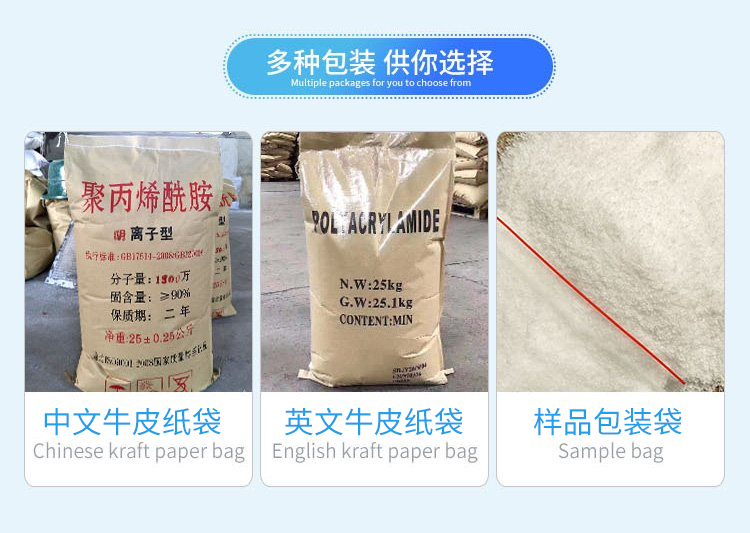
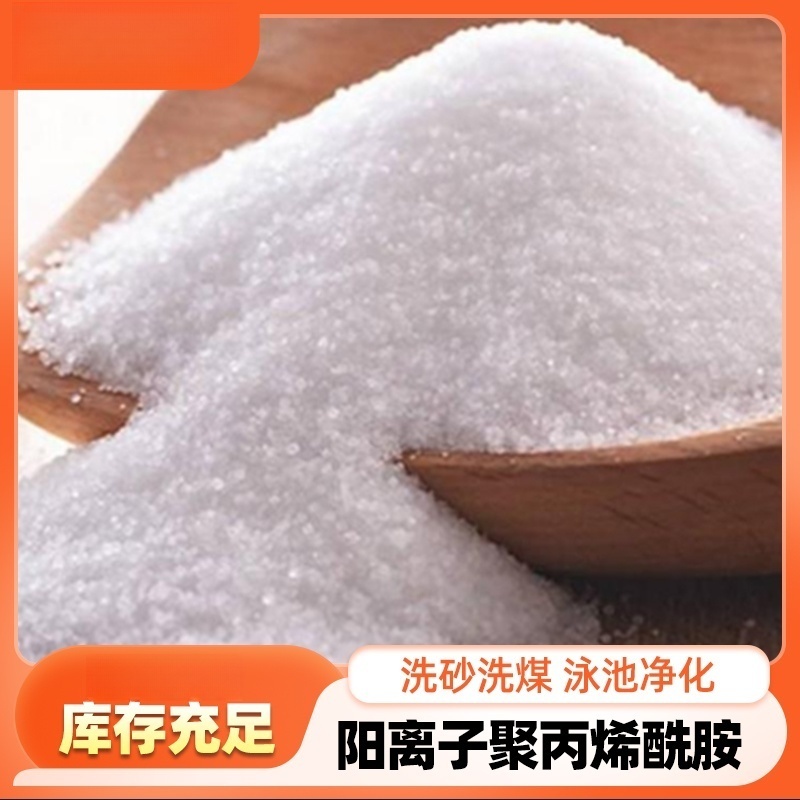
- Polyacrylamide: Effective flocculant for removing suspended solids and improving sedimentation
- Citric acid: Natural chelating agent for heavy metal removal and pH adjustment
- Anthracite filter media: Provides excellent filtration for fine particulate removal
- Poly aluminum chloride: Coagulant for removing colloidal substances and organic matter
- Sodium hydroxide: Used for pH adjustment and neutralization of acidic wastewater
The combination of activated carbon with these specialized chemicals creates a comprehensive treatment solution capable of addressing the complex contaminant profiles found in mining wastewater. This multi-barrier approach ensures compliance with Japan’s rigorous water quality standards while minimizing environmental impact.
Mining Wastewater Repair Services in Japan
Maintaining optimal performance of mining wastewater treatment systems requires regular inspection and repair services. In Japan, several specialized companies offer comprehensive maintenance solutions tailored to the mining industry’s unique needs:
These service providers typically offer:
- System audits and performance evaluations
- Activated carbon replacement and regeneration services
- Equipment repair and component replacement
- Process optimization and efficiency improvements
- Emergency response for system failures
When selecting a repair service provider, mining companies should consider:
- Certification and compliance with Japanese industrial standards
- Experience with mining wastewater treatment systems
- Availability of specialized equipment and replacement parts
- Response time for emergency situations
- Environmental safety protocols
Mining Wastewater Preservation Techniques
Effective preservation of mining wastewater treatment systems extends equipment lifespan and ensures consistent performance. Japanese mining companies implement several preservation strategies:
Preventive Maintenance Programs
Regularly scheduled maintenance helps identify potential issues before they cause system failures. These programs typically include:
- Monthly inspections of activated carbon filters and chemical dosing systems
- Quarterly performance testing and water quality analysis
- Semi-annual equipment cleaning and calibration
- Annual comprehensive system overhaul
Operator Training Programs
Well-trained personnel are essential for proper system operation and maintenance. Japanese mining companies invest in comprehensive training programs that cover:
- System operation procedures
- Safety protocols for handling chemicals
- Basic troubleshooting techniques
- Environmental compliance requirements
Inventory Management
Maintaining adequate supplies of replacement activated carbon, treatment chemicals, and spare parts ensures minimal downtime during maintenance activities. Effective inventory management involves:
- Tracking consumption patterns to predict reorder needs
- Storing chemicals in appropriate conditions to maintain effectiveness
- Maintaining critical spare parts for quick repairs
- Implementing just-in-time delivery for bulk materials
FAQ
What is the most effective activated carbon for mining wastewater treatment in Japan?
Coconut shell granular activated carbon is generally considered most effective for mining wastewater treatment in Japan due to its high hardness, excellent adsorption capacity, and ability to remove both organic contaminants and heavy metals. However, the specific choice depends on the wastewater composition and treatment requirements.
How often should activated carbon be replaced in mining wastewater systems?
The replacement frequency depends on several factors including influent quality, flow rate, and contaminant loading. Typically, activated carbon in mining wastewater systems requires replacement every 6-18 months. Regular monitoring of effluent quality helps determine the optimal replacement schedule.
What are the main challenges in maintaining mining wastewater systems in Japan?
The primary challenges include complying with Japan’s stringent environmental regulations, dealing with highly variable wastewater compositions, managing the corrosion potential of acidic wastewater, and ensuring continuous operation to meet production demands. These challenges require specialized maintenance approaches and skilled personnel.
Can used activated carbon from mining wastewater treatment be regenerated?
Yes, used activated carbon can often be regenerated through thermal or chemical processes that restore its adsorption capacity. However, regeneration is not always cost-effective for all applications, especially when dealing with heavily contaminated carbon from mining wastewater. The decision depends on the specific carbon type and contamination levels.
What safety precautions should be taken when maintaining mining wastewater systems?
Safety precautions include wearing appropriate personal protective equipment (PPE), ensuring proper ventilation when handling chemicals, following lockout/tagout procedures during equipment maintenance, implementing spill containment measures, and providing comprehensive operator training on all safety protocols.
Summary
Effective maintenance of mining wastewater systems in Japan requires a comprehensive approach that combines high-quality industrial activated carbon, specialized treatment chemicals, regular repair services, and proactive preservation techniques. By understanding the unique challenges of mining wastewater treatment and implementing best practices for system maintenance, Japanese mining companies can ensure regulatory compliance, minimize environmental impact, and maintain efficient operations. The selection of appropriate activated carbon products, coupled with professional maintenance services and operator training, forms the foundation for successful mining wastewater management in Japan’s demanding industrial environment.